What moves through New Orleans
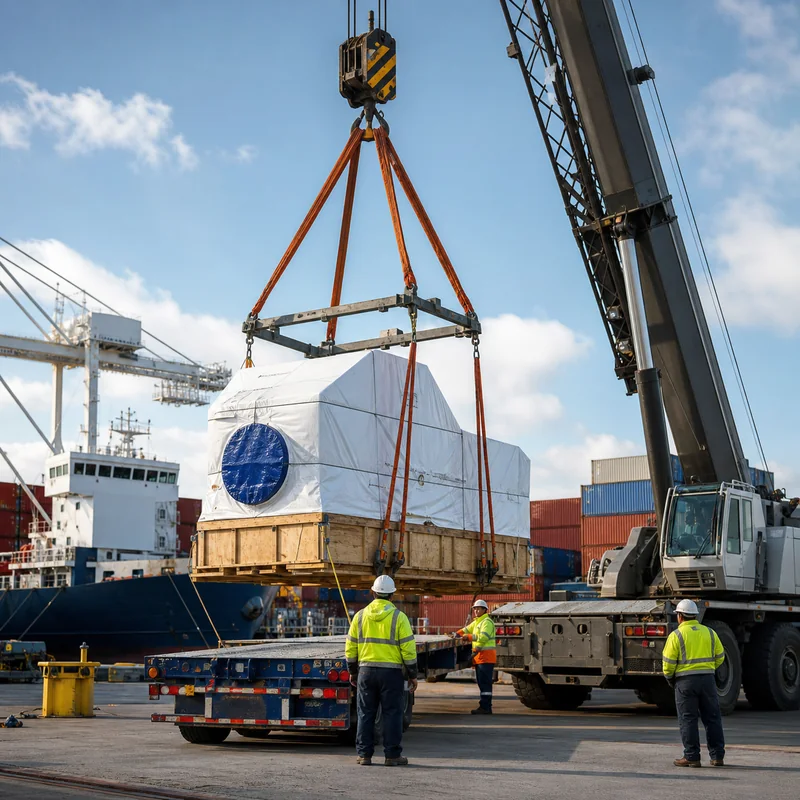
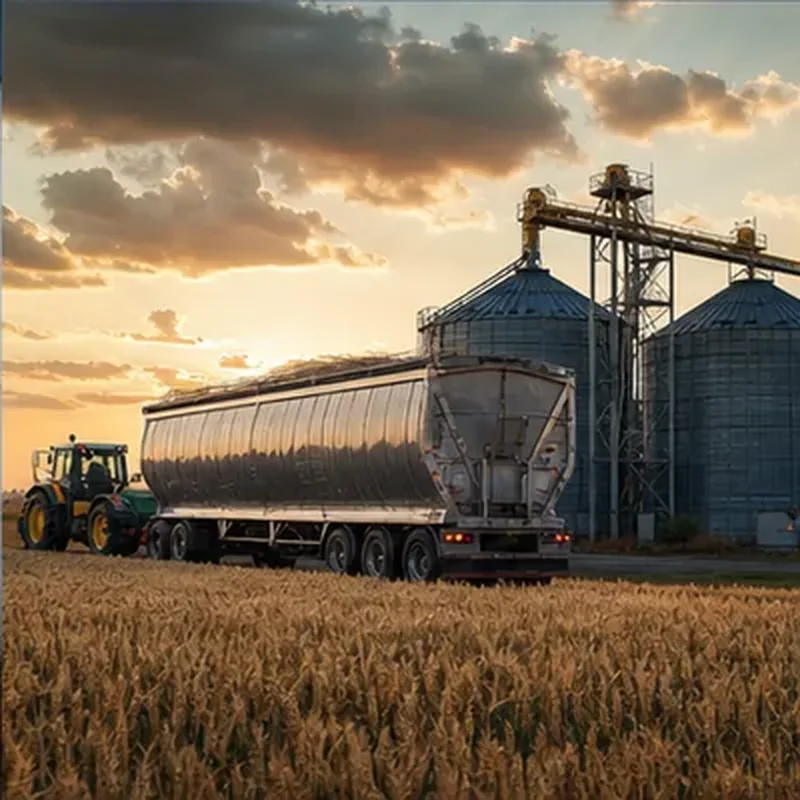
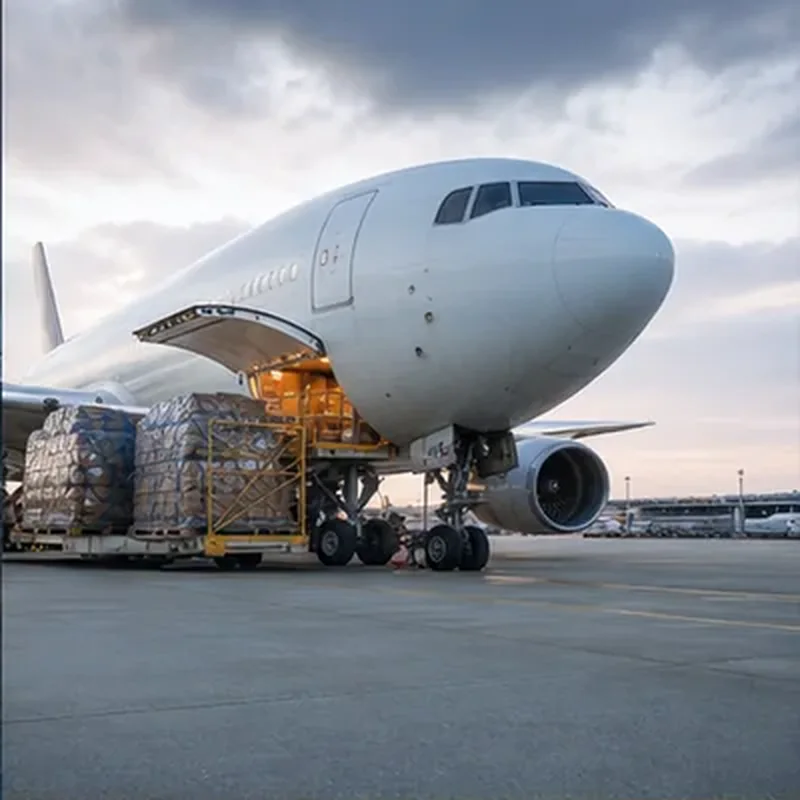
The New Orleans freight economy runs on scale and specialty. Project cargo and breakbulk arrive and depart for the petrochemical corridor stretching upriver, meaning vessels, reactors, modules and equipment destined for plants along the Mississippi. Energy freight is constant, with equipment and materials serving Gulf operations and the region's refining and chemical complex. Containerized cargo serves regional distribution, and the river's barge system moves grain, chemicals and bulk commodities that connect the entire mid-continent to the Gulf.
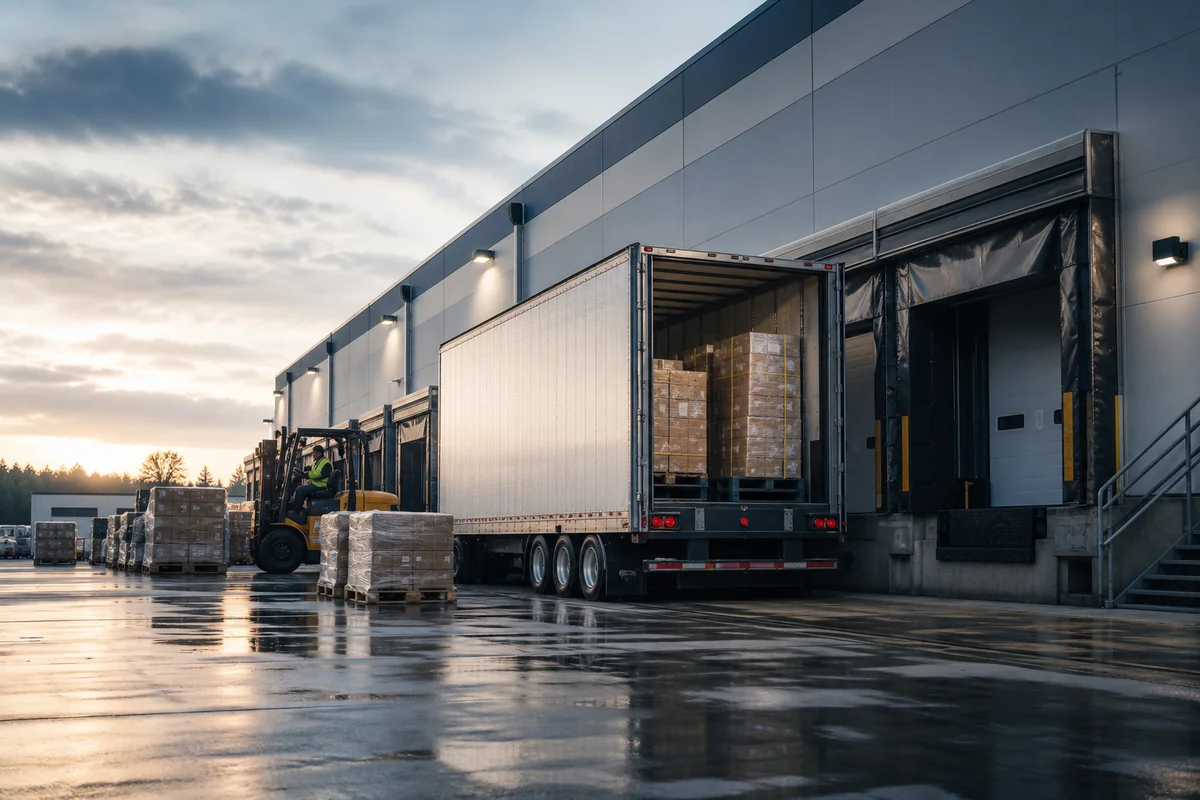
Around the industrial economy runs the metro's own distribution needs, plus a food and beverage sector with deep regional identity and a construction market that never fully stops.
The corridors that carry it
I-10 runs east-west along the Gulf between Florida and Texas, I-55 climbs north toward Jackson and the Chicago corridor, and I-12 carries traffic around the lake. The Mississippi itself is the market's other highway, connecting Gulf terminals to the interior by barge, and the interaction between river, rail, road and vessel is what makes New Orleans a genuine multimodal gateway for freight that has nowhere else to go.
Freight Flex in New Orleans
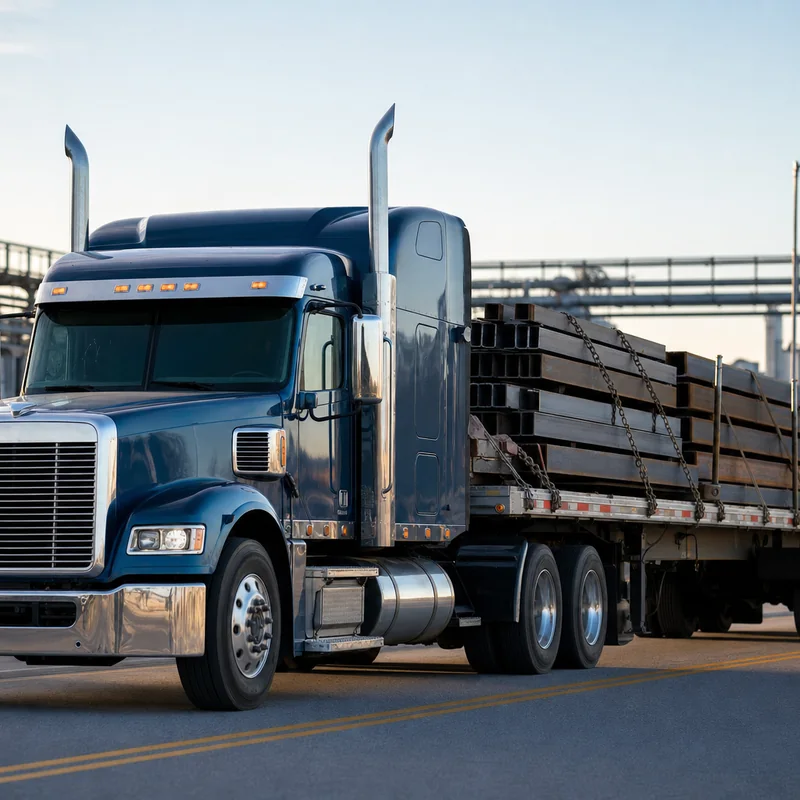
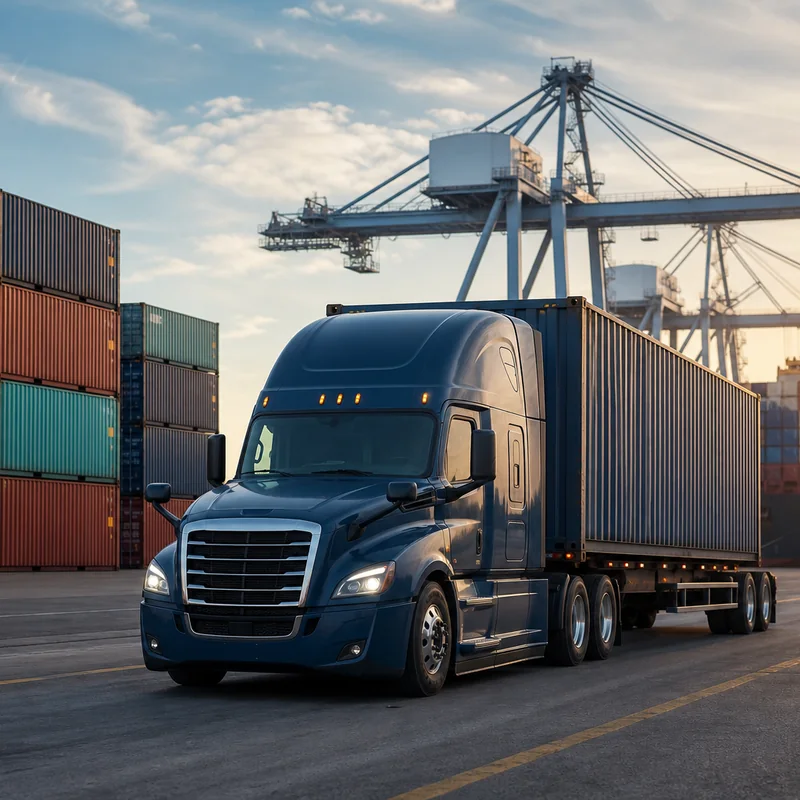
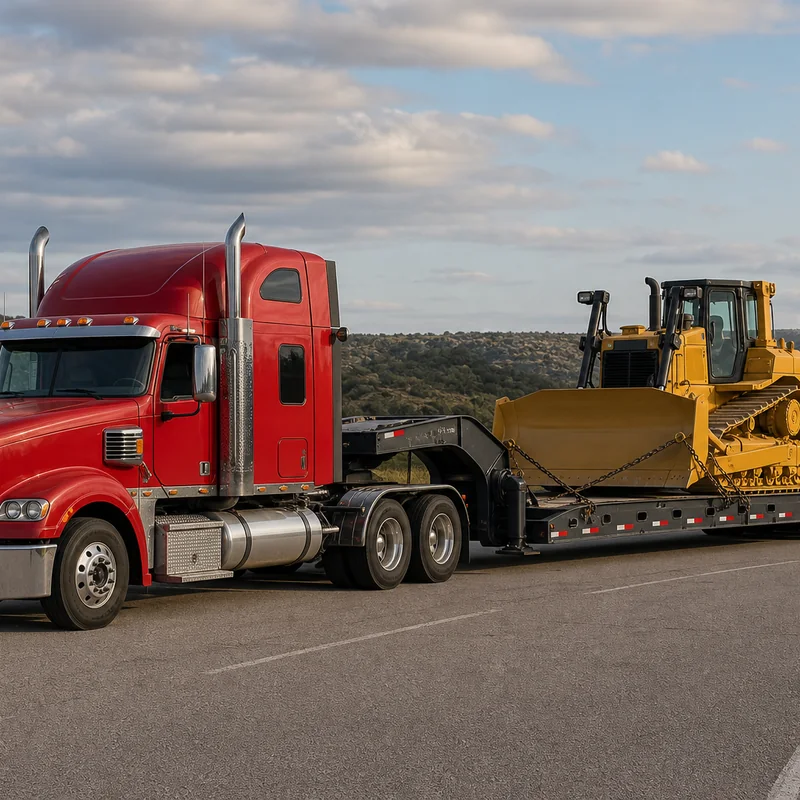
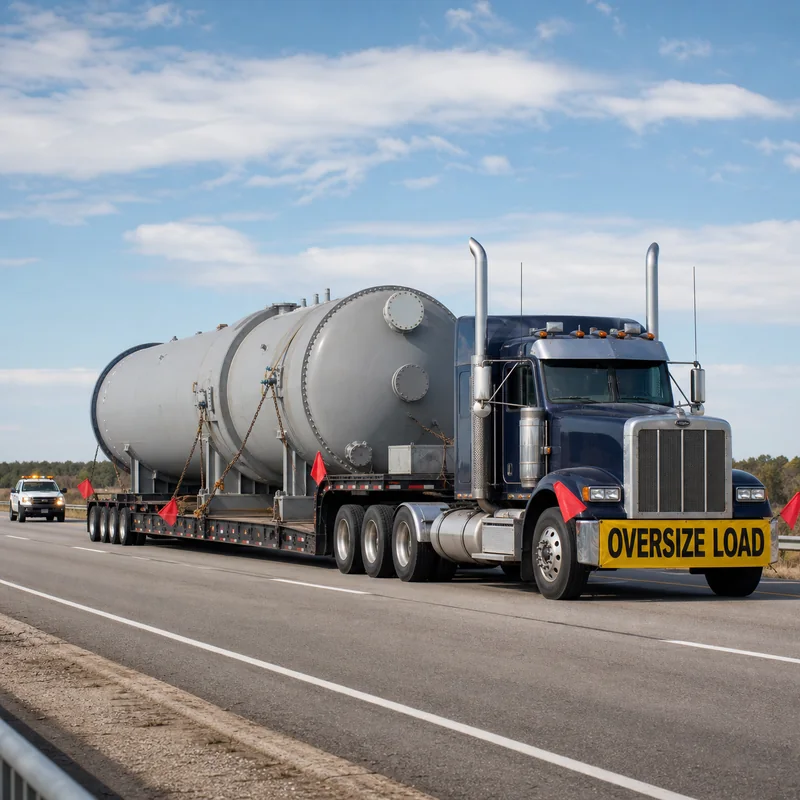
Freight Flex coordinates Project Cargo programs with stevedoring partners at the port and heavy-haul carriers inland, Heavy Haul and Over-Dimensional (OD) moves with permits and routes engineered before dispatch, Flatbed capacity for the daily industrial freight, Drayage at the container terminals and Full Truckload (FTL) and Expedited coverage across the Gulf corridor. Carrier compliance tools and an agent success team available 24/7 support the move.