Louisiana

Louisiana Freight

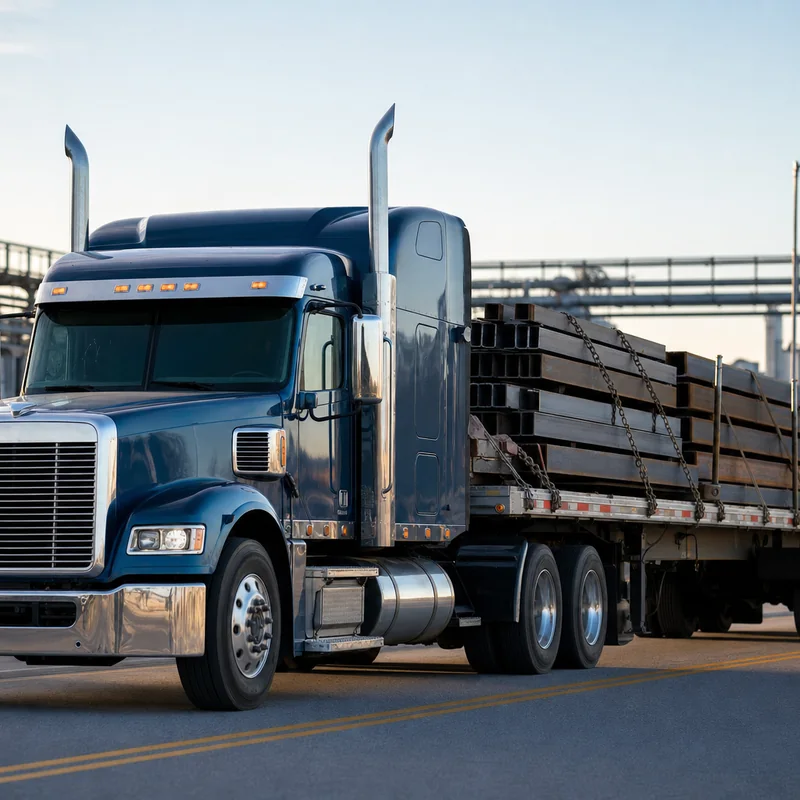
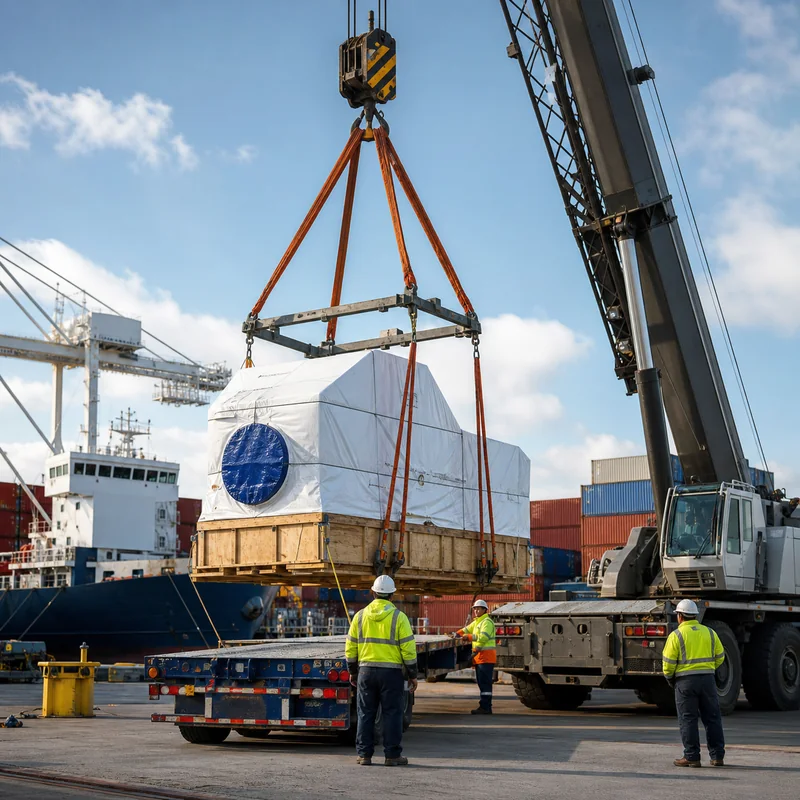
Louisiana moves the freight of an industrial corridor unlike anywhere else in America, meaning refineries, chemical plants and the project cargo that builds them. Freight Flex coordinates Louisiana freight across the river, the ports and the Gulf, with permits engineered before anything rolls.

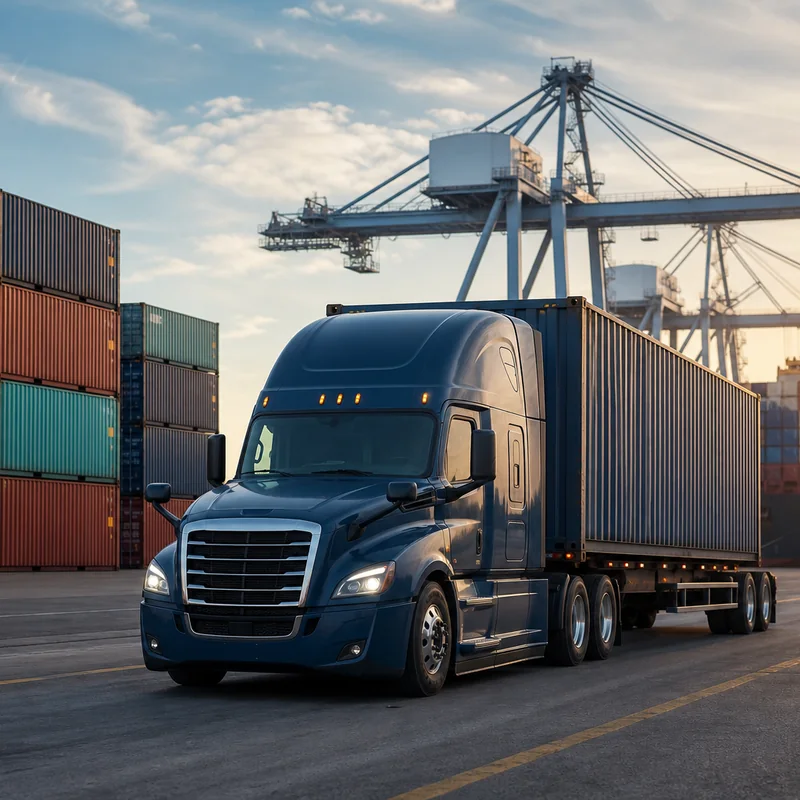
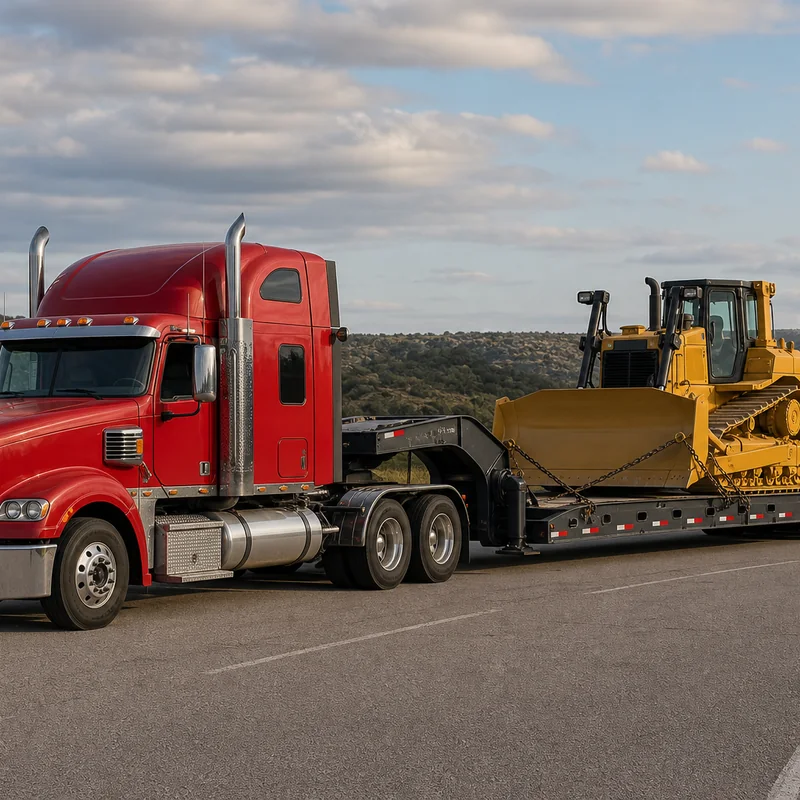
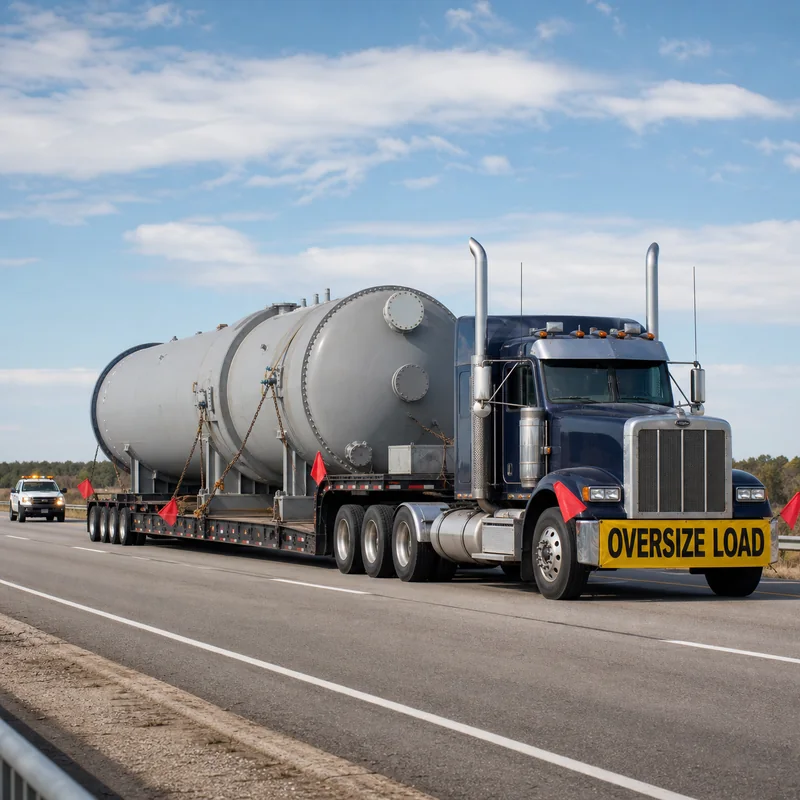
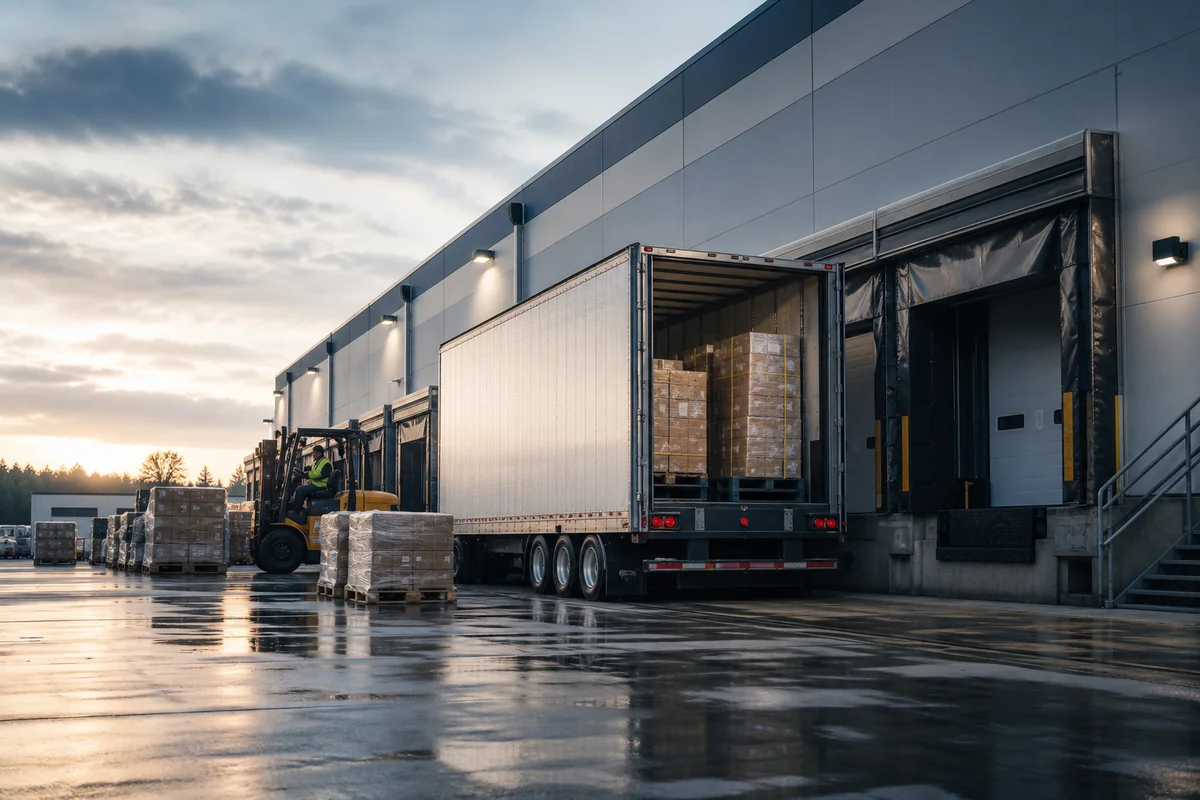
Petrochemical plants and project cargo moving along the Mississippi corridor in Louisiana
The Louisiana Market

Freight coordination on the petrochemical corridor. River, plants and Gulf.

Louisiana's freight economy runs along the lower Mississippi, where refineries and chemical plants line the river and the ports handle the project cargo, breakbulk and bulk that keeps them running. Freight Flex coordinates that freight with the planning it demands.

What moves through Louisiana

The corridor between Baton Rouge and New Orleans holds one of the densest industrial concentrations in the country, and its freight reflects that. Project cargo and breakbulk arrive for plant construction and turnarounds, meaning vessels, reactors, modules and heat exchangers moving from berth to site on engineered routes. Daily industrial freight runs constantly, with pipe, skids, valves, chemicals and materials feeding operations that never stop.

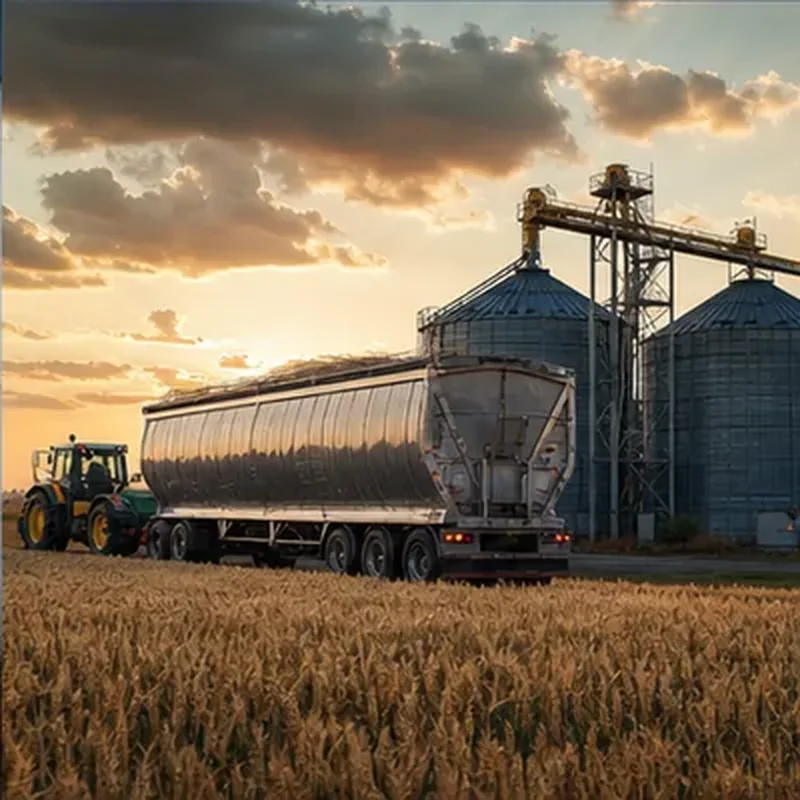
Beyond the corridor, Louisiana ships agricultural product through the river system, seafood and food processing from the coast, and forest products from the northern parishes, while the ports handle bulk commodities connecting the whole mid-continent to the Gulf.

The corridors that carry it

I-10 runs the Gulf coast lane from Texas to Mississippi, I-12 crosses north of the lake, I-49 connects north-south through the state's interior and I-20 serves the northern parishes. The Mississippi is the other highway, moving barge freight that connects the interior to the ocean, which makes Louisiana a genuine multimodal state for cargo that has no other route.

Freight Flex in Louisiana

Freight Flex coordinates Project Cargo programs with stevedoring partners and heavy-haul carriers, Heavy Haul and Over-Dimensional (OD) moves with permits and routes engineered before dispatch, Flatbed capacity for the daily industrial freight, Drayage at the container terminals, Full Truckload (FTL) coverage on the Gulf corridor and Expedited equipment for down-unit parts. Carrier compliance tools and an agent success team available 24/7 support the move.

Built for Plant Freight

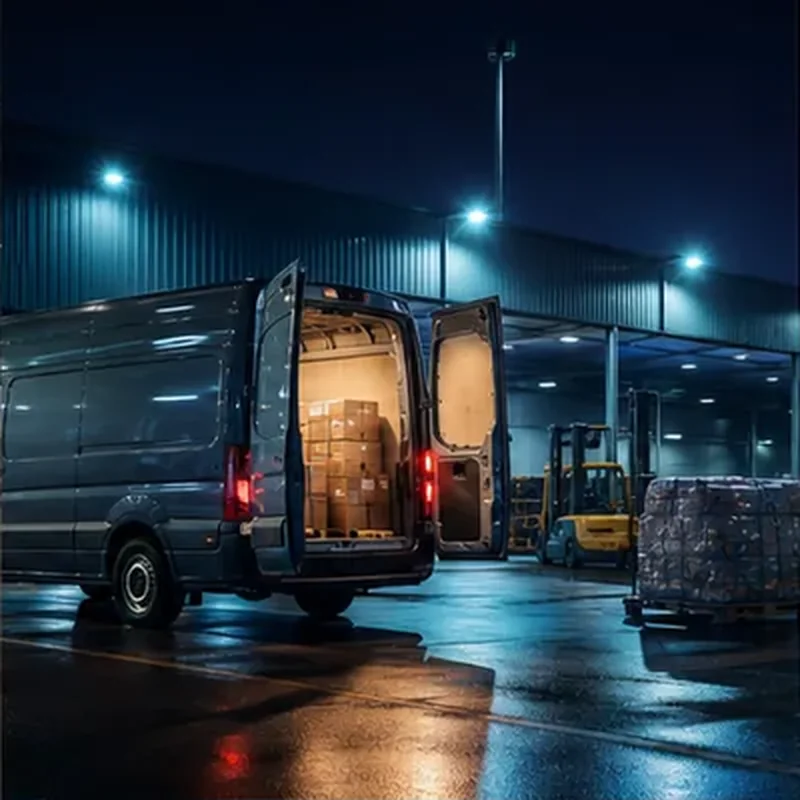
Breakbulk and out-of-gauge pieces move from berth to plant as one sequence, with stevedoring partners at the port and heavy-haul carriers on the road.

Routes Engineered First

Permits, clearances and escorts arranged against verified routes before dispatch, because freight this size cannot improvise its way past a low bridge.

Compliance on Every Lane

Carrier compliance tools support shipment security, backed by an agent success team available 24/7. Specialty freight never lowers the bar.

The Freight Flex promise

Turnarounds end on schedule. Build With Flex.

For every shipper moving Louisiana freight, Freight Flex commits to engineering the oversized moves before they roll, sequencing project and turnaround freight against the work plan and covering the corridor with vetted capacity every day between the big moves. Hurricane contingencies get planned before June, and the freight nobody else wants to quote gets the planning it actually needs.

0+
Shipments Coordinated
#0
Inc. 5000 Fastest-Growing Private Companies
0
States of Nationwide Coverage
0+
Freight Flex Offices
Operating standards

Louisiana freight standards. Vetted. Engineered. Delivered.

Freight Flex combines carrier compliance tools with an agent success team available 24/7 to help reduce cargo theft, fraud and claims and support shipment visibility. On freight this large and this valuable, discipline is the project plan.

  • Only work with Highway verified Motor Carriers.
  • 1+ year active authority required.
  • Satisfactory or Unrated FMCSA safety rating required.
  • $1M Auto Liability + $100K Cargo Insurance required.
  • VIN verified on every shipment through Highway Load Lock.
  • Supplemental cargo insurance available up to $2,000,000 per shipment, beyond standard carrier coverage.
Freight services

The services Louisiana freight uses most. Industrial first.

Louisiana freight leans industrial. Project cargo coordination runs the installations and turnarounds, heavy haul and over-dimensional planning move the oversized pieces, flatbed carries the daily plant freight, drayage works the container terminals and truckload and expedited cover the corridor.

See All Services
Industries

The industries that run on Louisiana freight. The corridor economy.

Louisiana freight serves the state's heavy industries, meaning energy operations and the refining and chemical complex, manufacturing across the corridor, agriculture moving through the river system, building materials for Gulf construction, food and beverage processing and the forwarders running project programs through the ports.

See All Industries
Planning Louisiana Freight

How shippers plan Louisiana freight. Engineering before execution.

Louisiana planning is project planning, meaning equipment lists, permit horizons and turnaround windows, with hurricane contingency running underneath everything from June through November.

Turnarounds and plant project freight.

A plant turnaround is a compressed project with materials, parts and equipment converging on a facility for a fixed number of days, and the freight either serves the work plan or becomes the reason it slipped. Project Cargo coordination sequences the whole program against the window, with Heavy Haul and Over-Dimensional (OD) moves permitted against verified routes and Flatbed support freight staged so crews spend the window working rather than waiting.

Ocean-delivered components add port sequencing, with out-of-gauge pieces landed through stevedoring partners and moved inland on heavy-haul equipment. Share the piece list early, since permits are route-specific and date-specific and a plan with lead time has options that a plan built in a hurry simply does not.

Corridor lanes, the river and storm season.

The daily economy runs alongside the big moves, with Flatbed loads feeding plants and job sites, Drayage at the container terminals for regional distribution and Full Truckload (FTL) capacity on the I-10 corridor between Houston and the Southeast. When a unit goes down, Expedited equipment moves the part with monitoring around the clock.

Hurricane season is the state's structural risk, and shippers who handle it well decide in advance which freight advances ahead of a storm window, where equipment stages for the restart and how the recovery sequence runs across ports, plants and highways. The plants recover faster than unprepared plans do, so writing the plan in April is the whole advantage.

Reviews

What It’s Like to Build With Flex

Leave a Review
Pricing

Ready to Get Started?

Tell us the cargo, exact dimensions and weight, the origin or terminal, the site conditions and the dates the turnaround or project runs on. From one flatbed load to a full project program, we will quote it engineered.

Louisiana shipment details

Get a Louisiana Freight Quote

Submission received

Your quote request is in.

Thank you. A Freight Flex team member will review your shipment details and follow up shortly.

Build With Flex.