What moves through Massachusetts
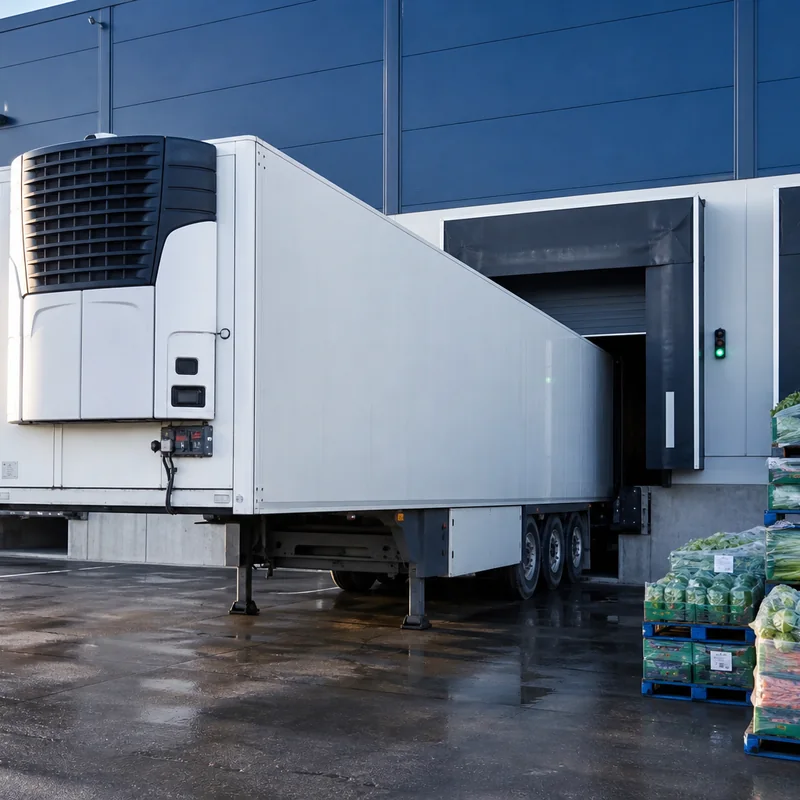
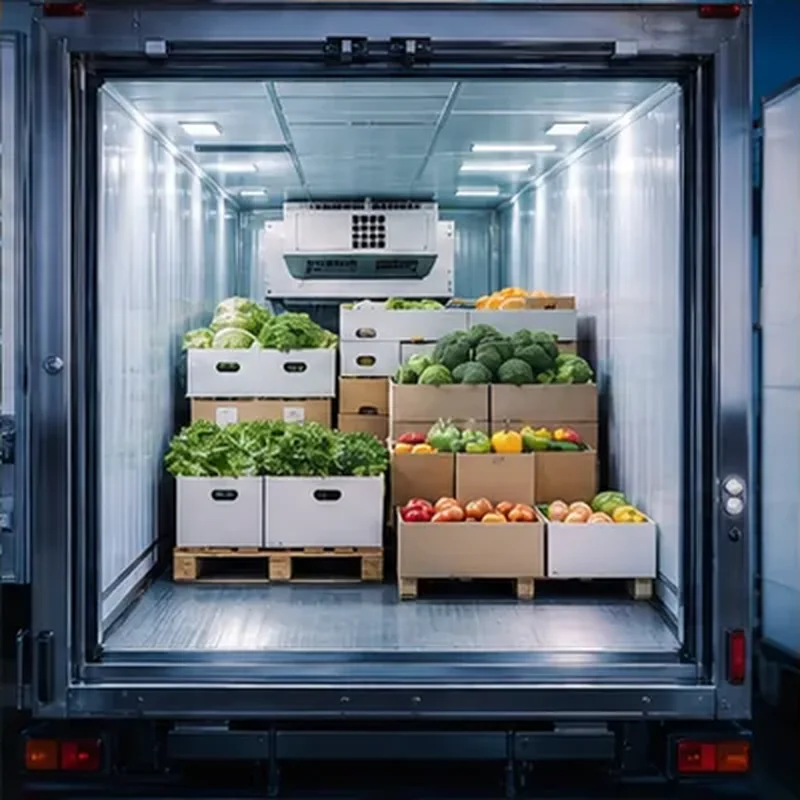
Life sciences give the state its most demanding freight, meaning biotech and pharmaceutical product with exact temperature ranges, documentation requirements and clinical consequences when something goes wrong. That freight moves under specifications rather than preferences, and the shippers behind it expect literal compliance.
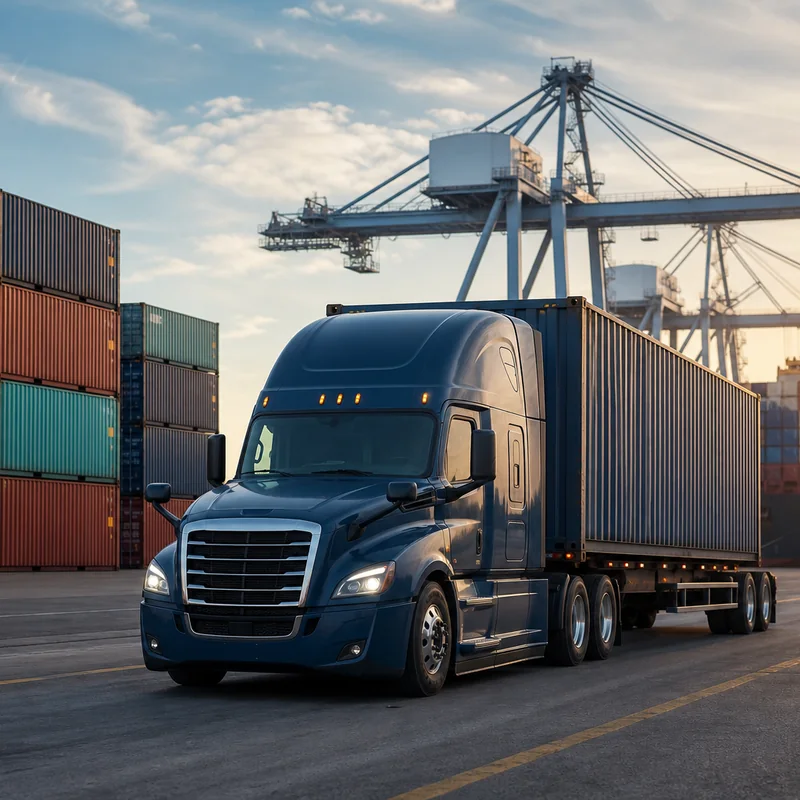
Seafood and food distribution run on their own clocks, with product arriving at the docks and needing to reach markets fast, joined by a substantial food and beverage distribution economy serving the metro. Manufacturing, higher education and healthcare institutions add steady inbound volume, and the port handles containers and specialty cargo for the region.
The corridors that carry it
I-90 runs the Mass Pike east to west toward Albany and the Thruway, I-95 wraps the metro and carries the coastal corridor, I-93 runs north-south through Boston and I-495 forms the outer ring where most distribution facilities sit. New England's road network is older and tighter than most of the country, which shapes what equipment can reach which addresses.
Freight Flex in Massachusetts
Freight Flex coordinates Temperature-Controlled capacity for life sciences and food freight, Expedited equipment for clinical and time-critical shipments, Less Than Truckload (LTL) and Full Truckload (FTL) coverage across the metro and region, Drayage at the Boston terminals and Air Freight coordination for the freight that flies. Carrier compliance tools and an agent success team available 24/7 support the move.