What moves through Boston
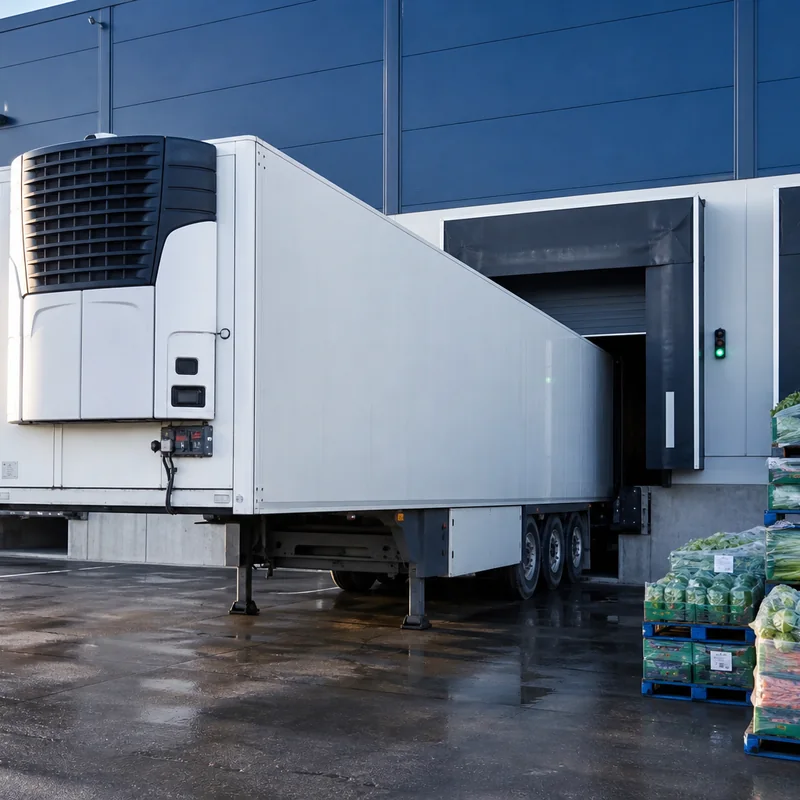
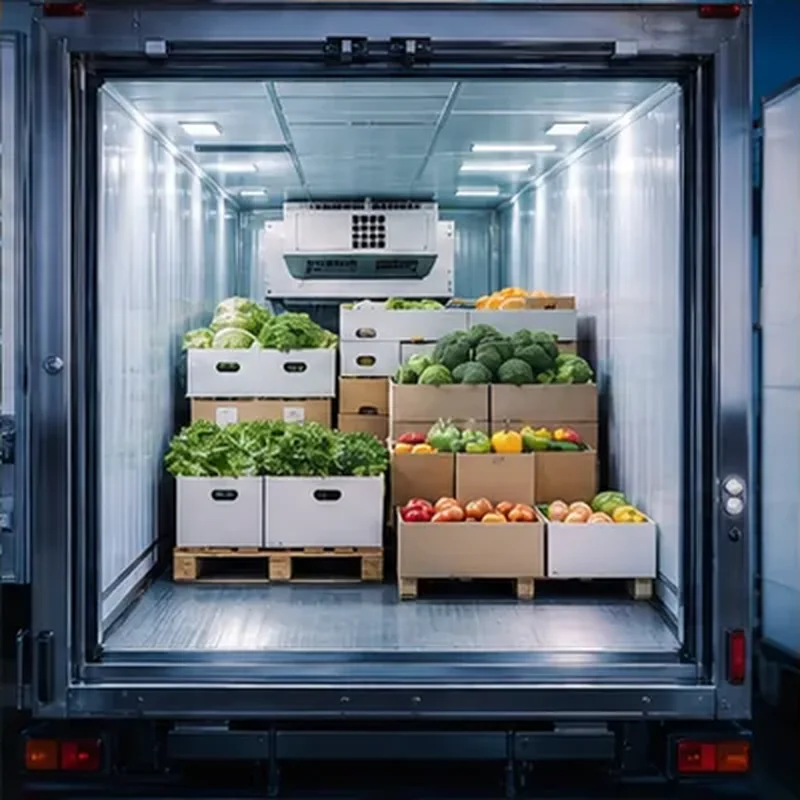
Life sciences give the metro its most demanding freight, with biotech and pharmaceutical product moving between research facilities, manufacturing sites and clinical destinations under exact temperature ranges and documentation requirements. Hospitals and research institutions add constant high-value inbound volume.
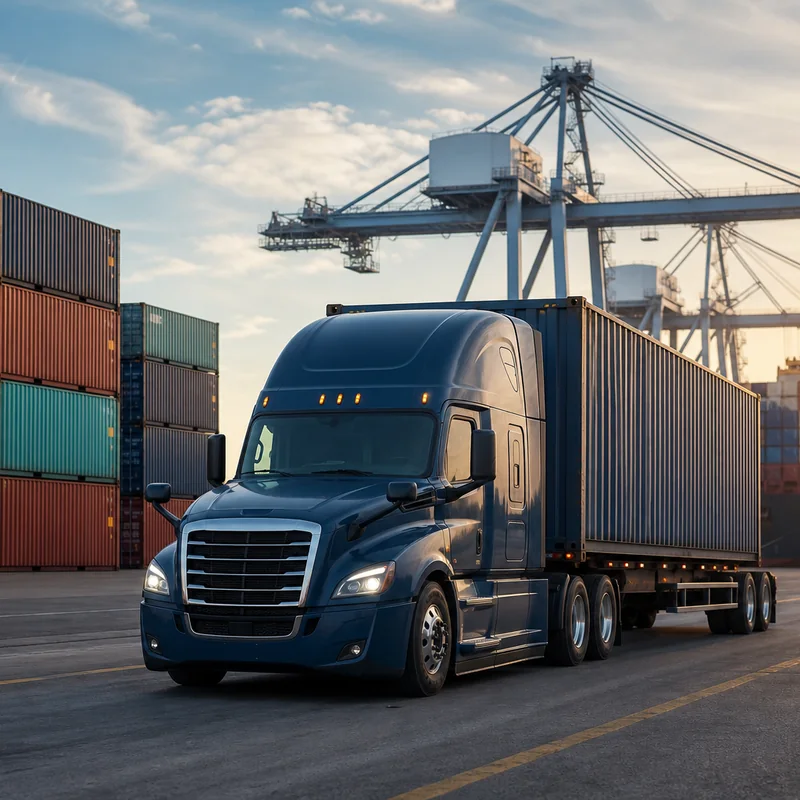
Seafood moves from the port and processors on clocks measured in hours, food and beverage distribution serves a dense restaurant and grocery economy, and the port handles containers and specialty cargo. Manufacturing, higher education and technology round out a metro where high value and difficult access coexist constantly.
The corridors that carry it
I-90 runs the Mass Pike west, I-93 crosses north to south through the city, I-95 forms the inner beltway where much of the region's distribution sits and I-495 forms the outer one. Inside those rings, streets narrow, bridges impose limits and receiving docks are often an afterthought in buildings older than trucking itself.
Freight Flex in Boston
Freight Flex coordinates Temperature-Controlled capacity for life sciences and food freight, Expedited equipment for clinical and time-critical shipments, Air Freight coordination under its TSA Certified Indirect Air Carrier status, Less Than Truckload (LTL) and Full Truckload (FTL) coverage across the metro and Drayage at the port terminals. Carrier compliance tools and an agent success team available 24/7 support the move.