What moves through Rhode Island
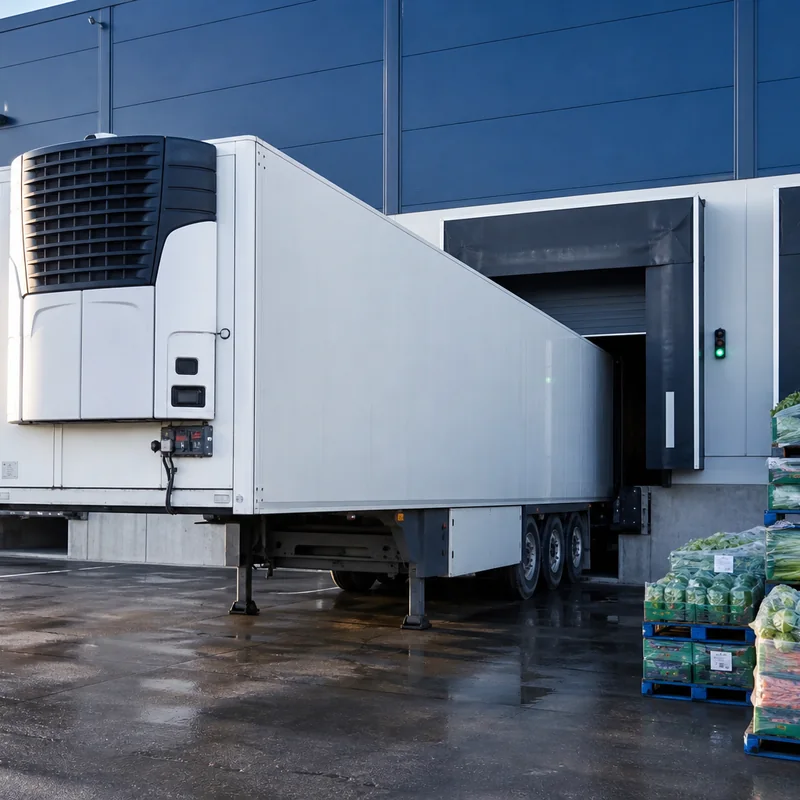
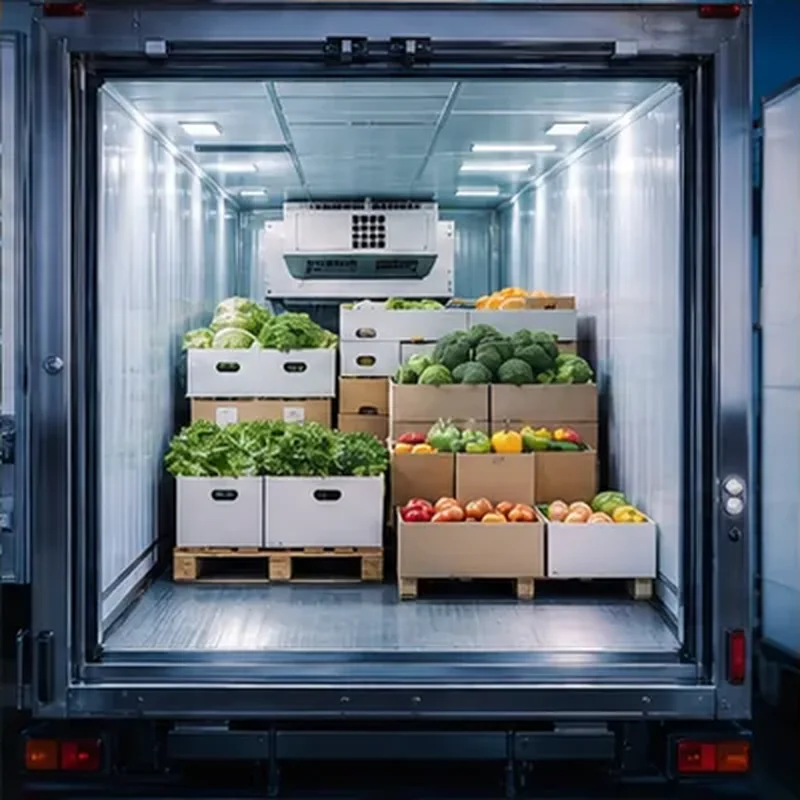
Seafood is the state's signature perishable freight, moving from the docks to markets across the Northeast on clocks measured in hours rather than days. Food and beverage distribution serves a dense population and a substantial hospitality economy.
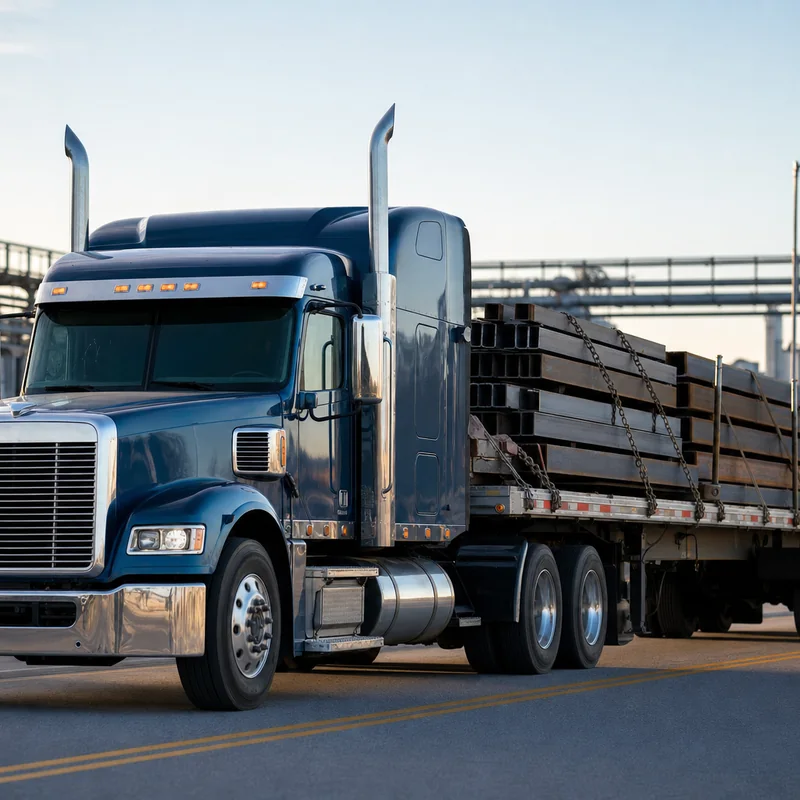
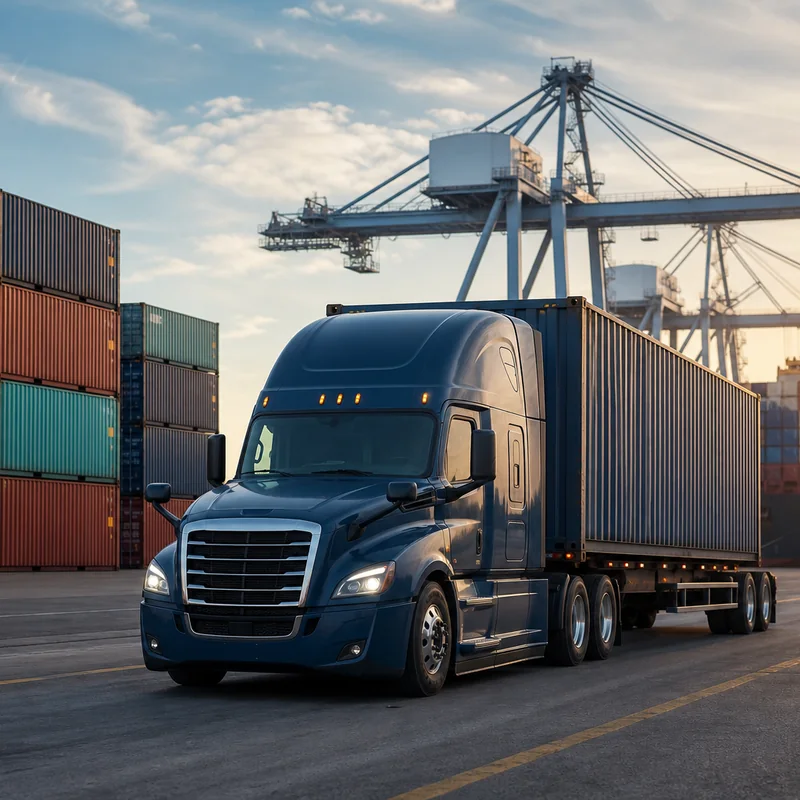
The Port of Providence handles specialty cargo including automobiles, breakbulk, cement and petroleum products, giving the state genuine port freight despite its size. Manufacturing runs to precision and specialty work, including jewelry, medical devices and industrial components, adding high-value shipments with careful handling requirements.
The corridors that carry it
I-95 runs the coastal corridor through Providence between Connecticut and Massachusetts, I-195 heads east toward Cape Cod and Route 146 connects north toward Worcester. Distances are minimal, which makes this a delivery-constraints market rather than a mileage market, with congestion and receiving access mattering far more than transit time.
Freight Flex in Rhode Island
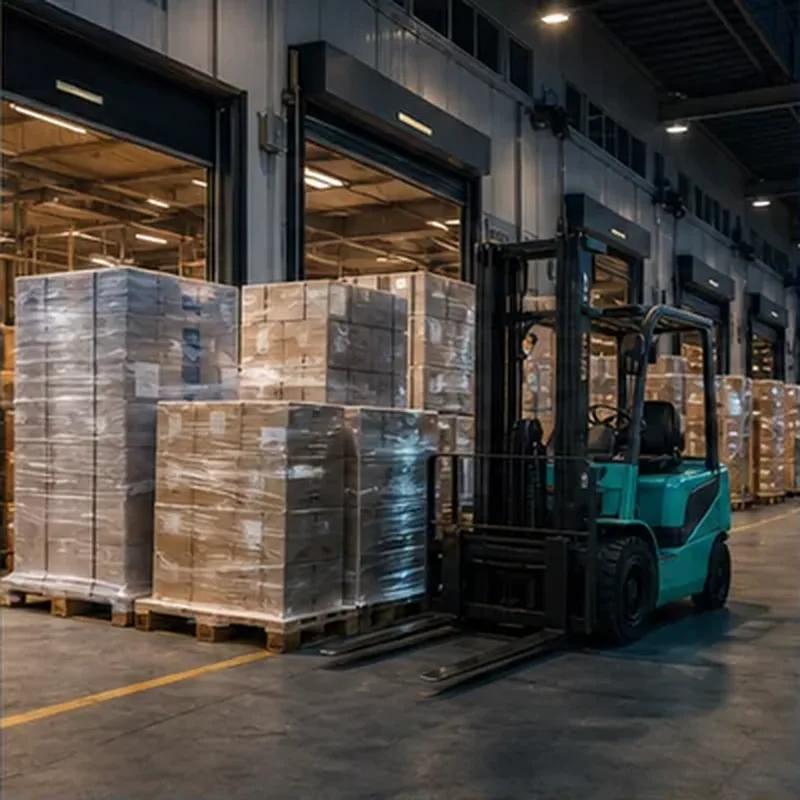
Freight Flex coordinates Temperature-Controlled capacity for seafood and food freight, Less Than Truckload (LTL) and Full Truckload (FTL) coverage across the state and corridor, Drayage at the Providence terminals, Flatbed and Heavy Haul capacity for the port's specialty cargo and Expedited equipment when a clock is running. Carrier compliance tools and an agent success team available 24/7 support the move.