What moves through Detroit
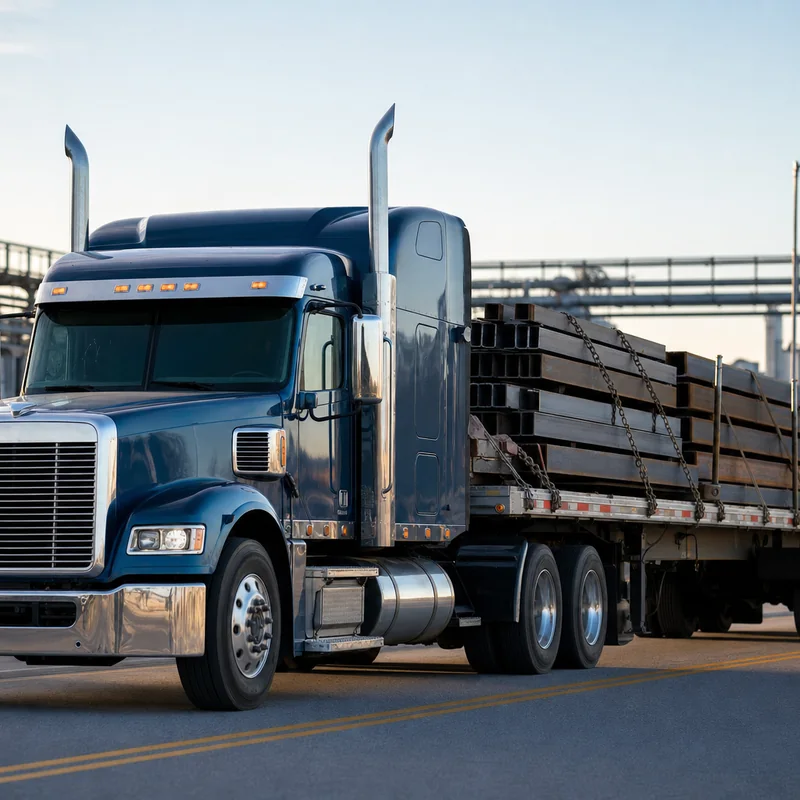
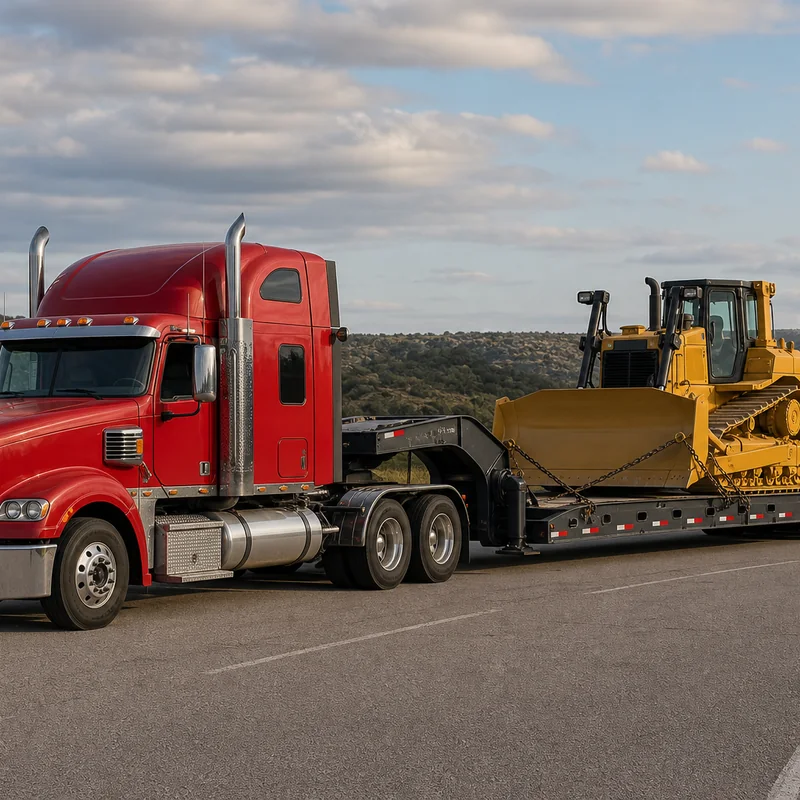
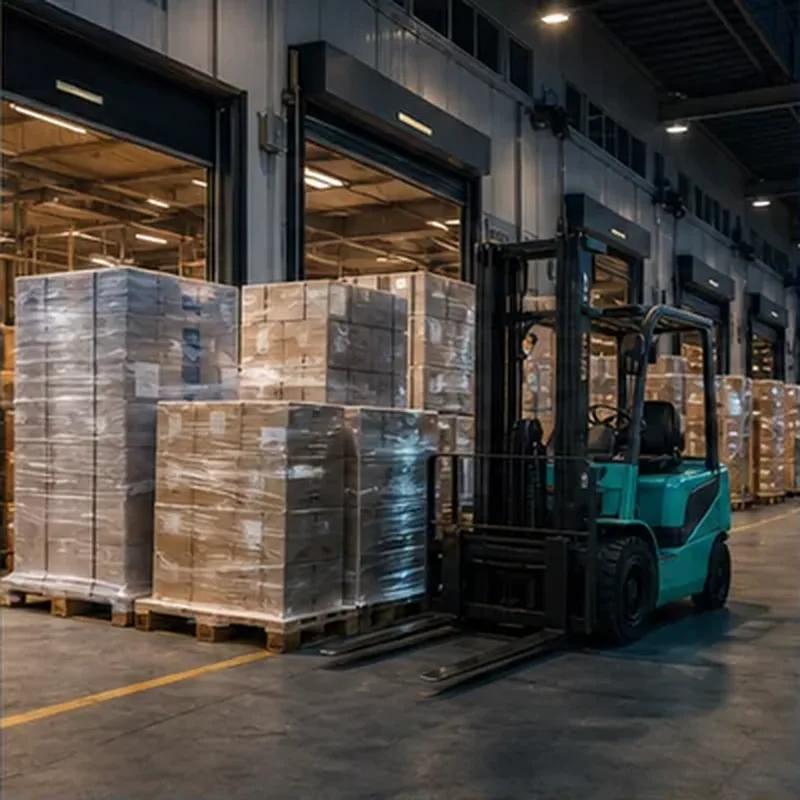
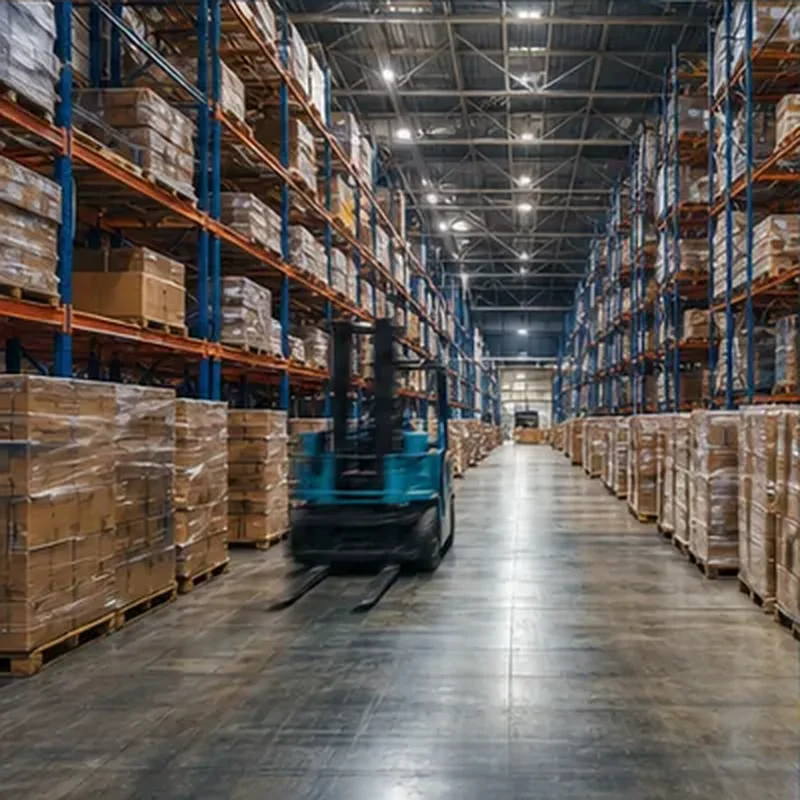
Detroit freight is components in motion. Stamped steel, castings, wire harnesses, electronics, seating and finished assemblies flow between tier suppliers and assembly plants across southeast Michigan and Ontario, often crossing the international border multiple times before a vehicle is finished. Aftermarket parts move to distribution networks, machinery and tooling relocate between facilities, and the metro's industrial base ships metals and equipment on open decks alongside the boxed freight.
The market's identity is the production sequence. Plants hold minimal inventory by design, which converts transit reliability directly into production stability and makes freight an hour late functionally late, regardless of what the delivery date said.
The corridors that carry it
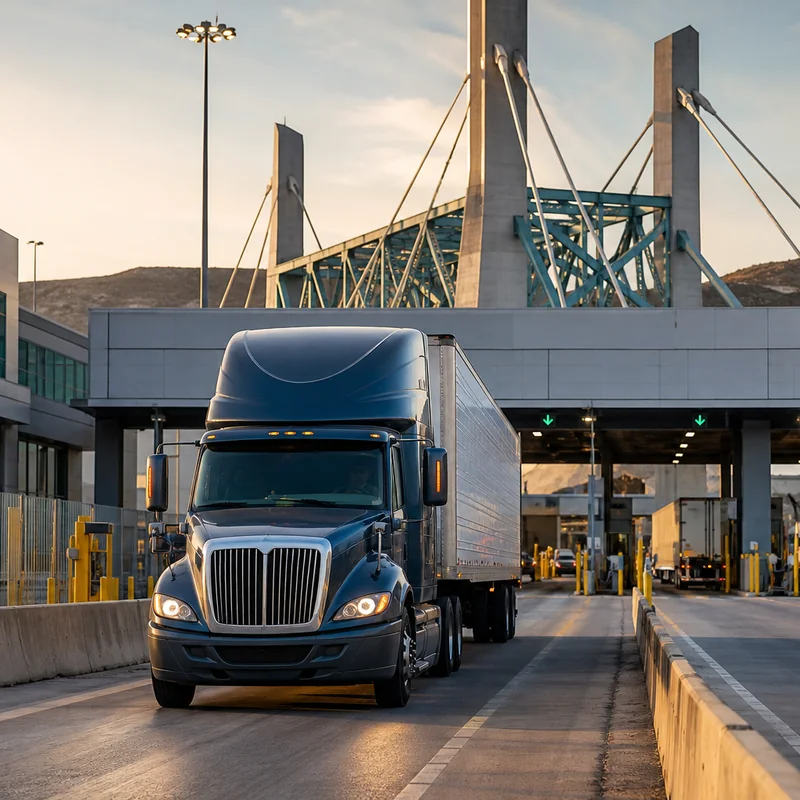
I-75 runs north-south from Ohio up through the metro toward the Canadian trade, I-94 crosses toward Chicago and connects the plant corridor, and I-96 and I-696 handle the metro's internal freight. The Detroit-Windsor crossing carries some of the heaviest trade volume on the continent, making the border a daily operational reality rather than an occasional consideration.
Freight Flex in Detroit
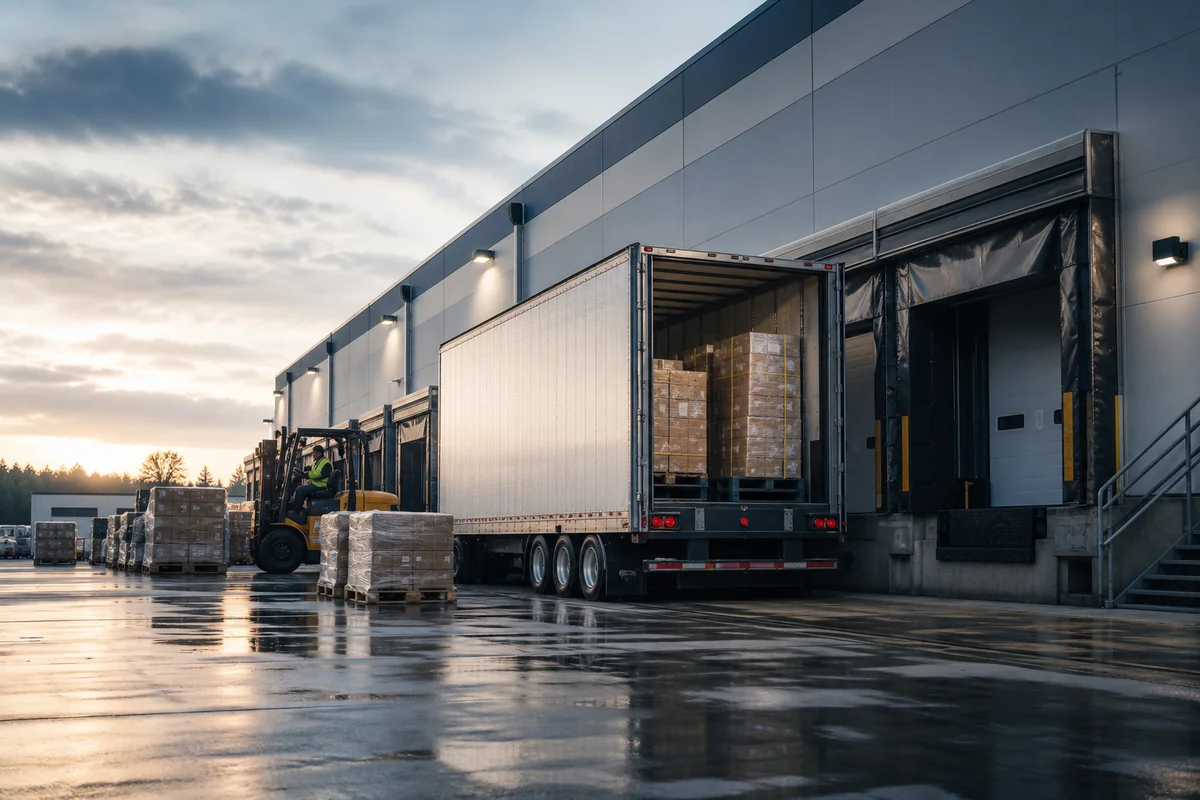
Freight Flex coordinates Full Truckload (FTL) on the standing supplier lanes, Cross-Border programs through the Windsor crossing with transfers scheduled before departure, Expedited equipment monitored around the clock when a line is at risk, Flatbed and Heavy Haul capacity for machinery and tooling moves, and Less Than Truckload (LTL) coverage for the aftermarket and supplier flows. Carrier compliance tools and an agent success team available 24/7 support the move.