What moves through Gulfport
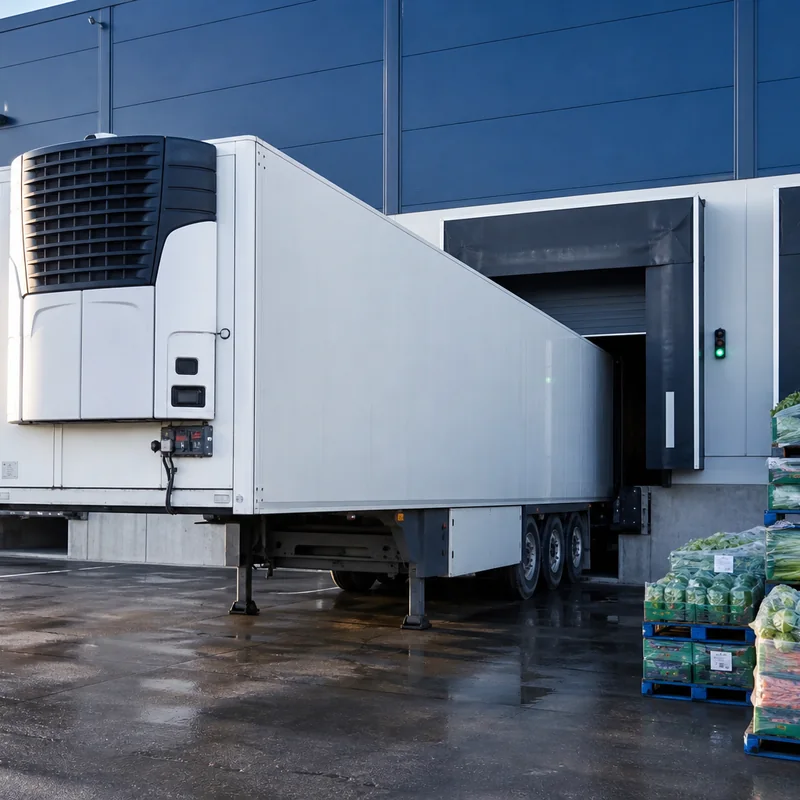
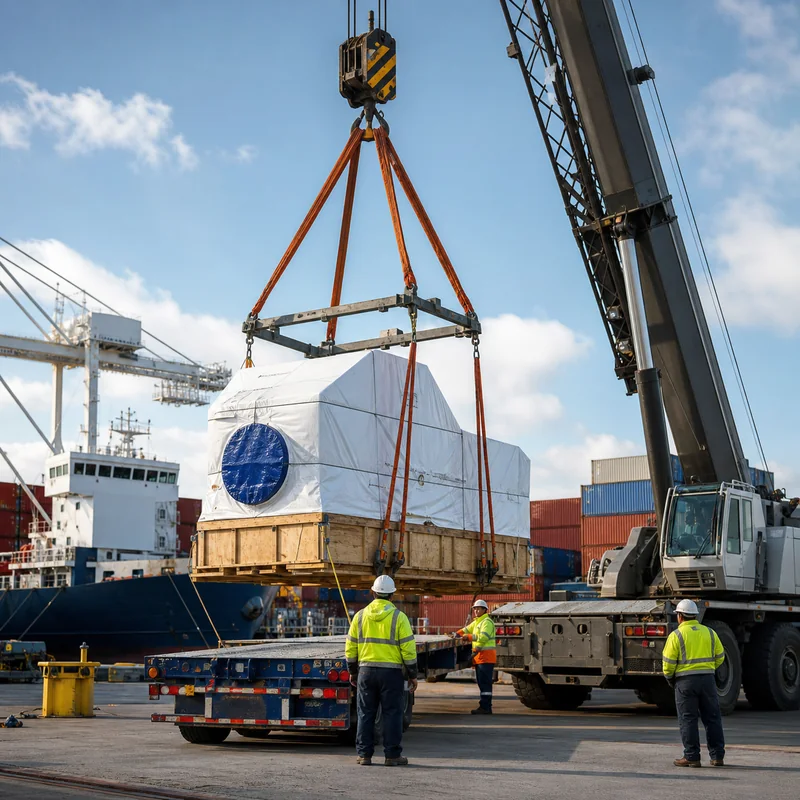
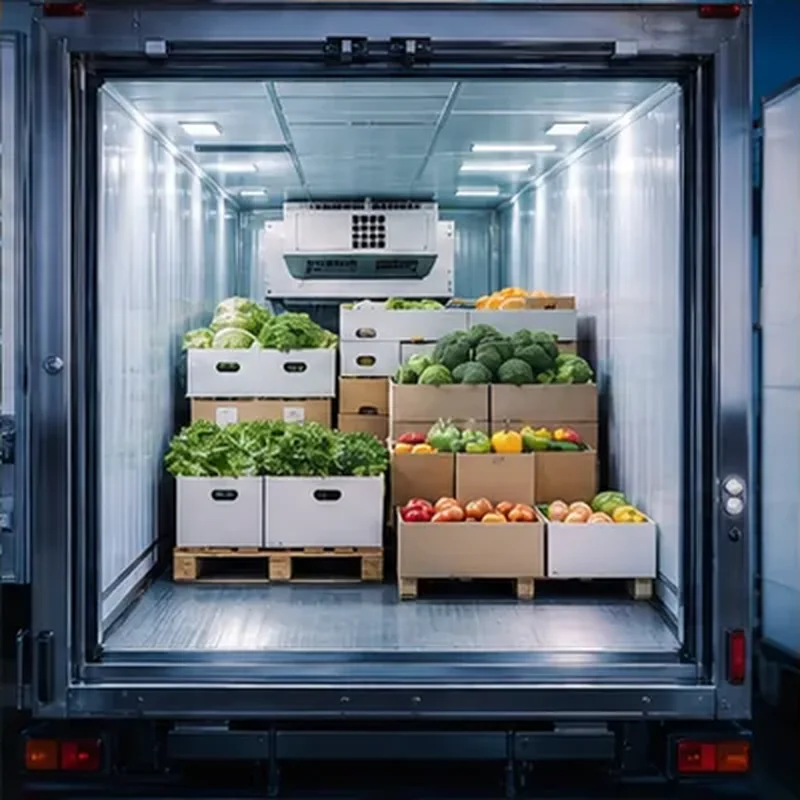
The port's refrigerated import business is its signature, with fruit and produce arriving from Latin America on cold chains that started weeks earlier and need immediate onward movement. Breakbulk, project cargo and forest products move alongside, and the terminal handles specialty freight that larger gateways treat as an inconvenience.
The coastal economy adds shipbuilding, energy-related freight, casino and hospitality supply and distribution serving a corridor along I-10. Agriculture and forest products from inland Mississippi ship through the region, and construction materials feed steady coastal rebuilding and development.
The corridors that carry it
I-10 runs the Gulf coast lane east toward Mobile and Florida and west toward New Orleans, I-110 connects Biloxi and US-49 heads north toward Hattiesburg and Jackson. New Orleans sits about ninety minutes west and Mobile about the same east, which makes Gulfport a genuine alternative gateway worth pricing rather than an automatic pass.
Freight Flex in Gulfport
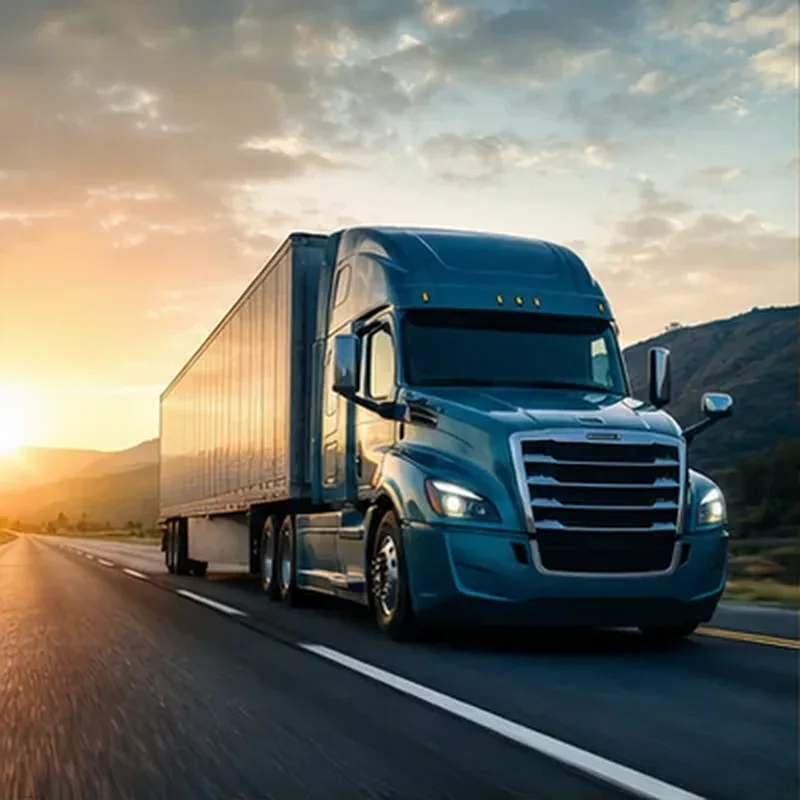
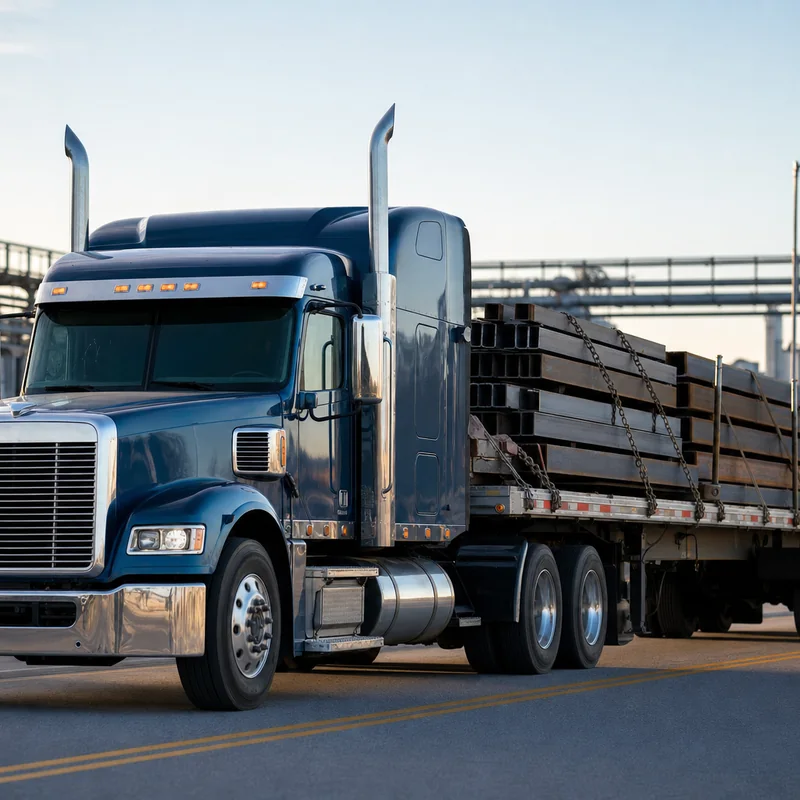
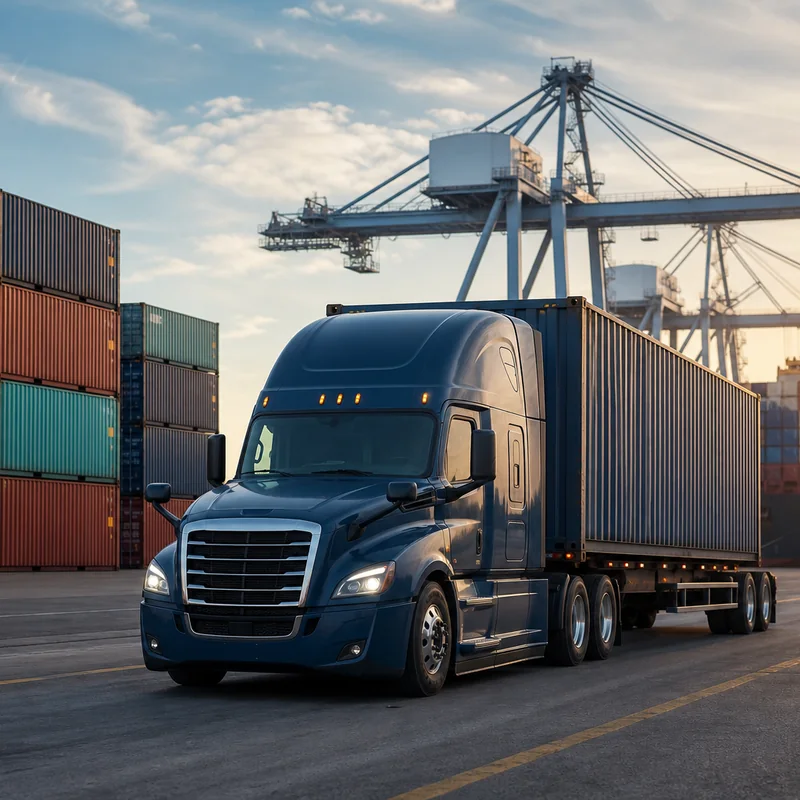
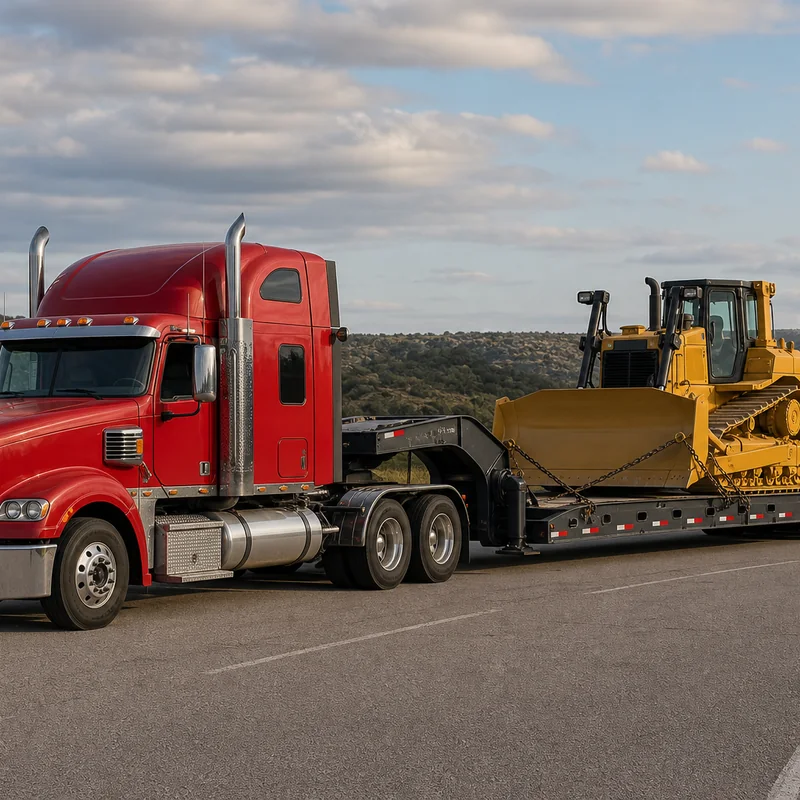
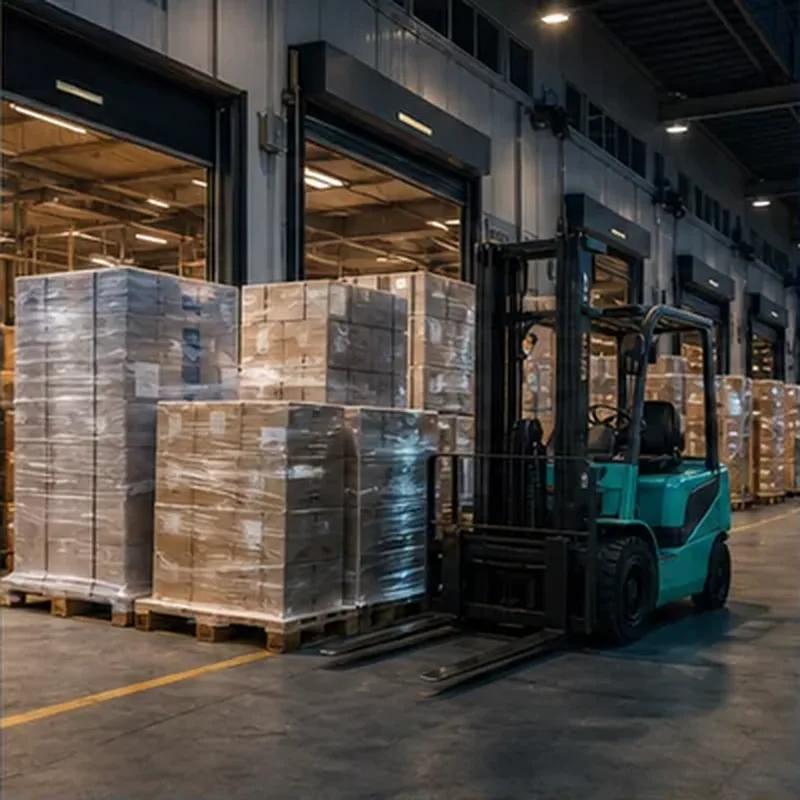
Freight Flex coordinates Drayage at the Gulfport terminals, Temperature-Controlled capacity carrying refrigerated imports inland, Project Cargo and Heavy Haul coordination for breakbulk pieces, Flatbed capacity for forest products and industrial freight and Full Truckload (FTL) and Less Than Truckload (LTL) coverage on the coastal corridor. Carrier compliance tools and an agent success team available 24/7 support the move.