What moves through North Dakota
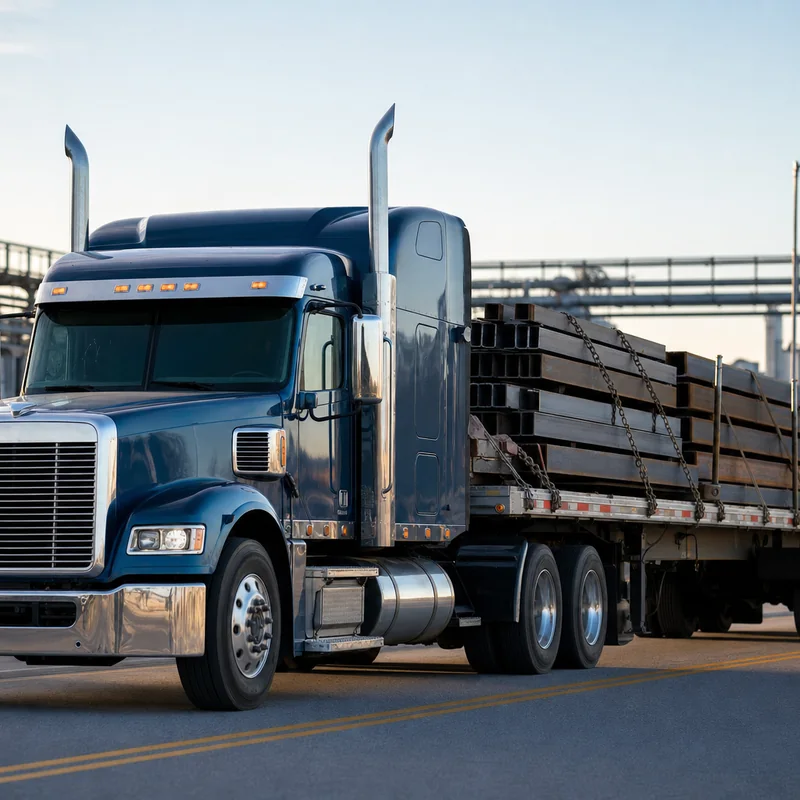
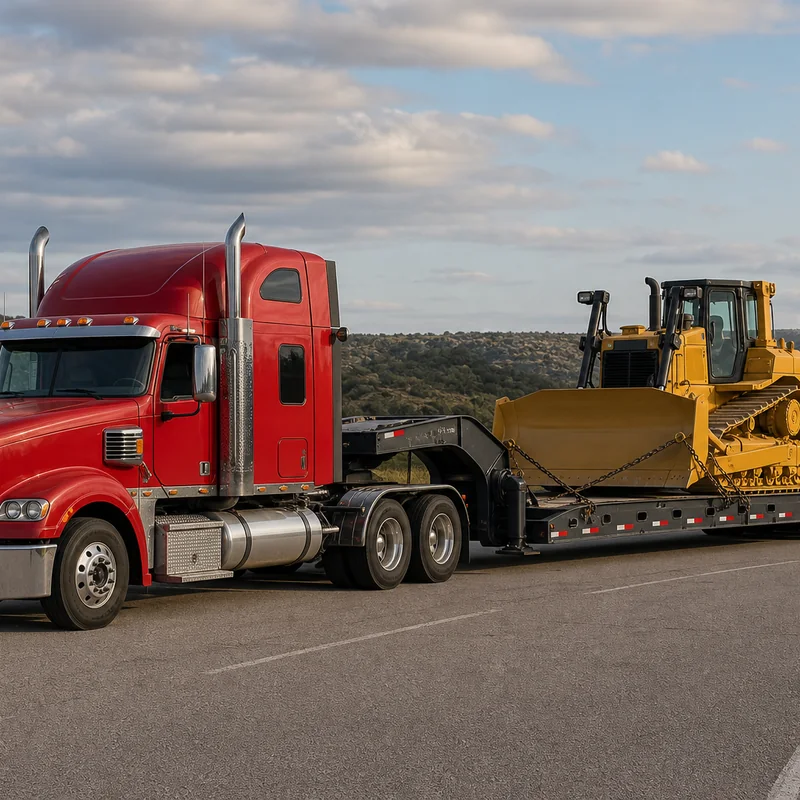
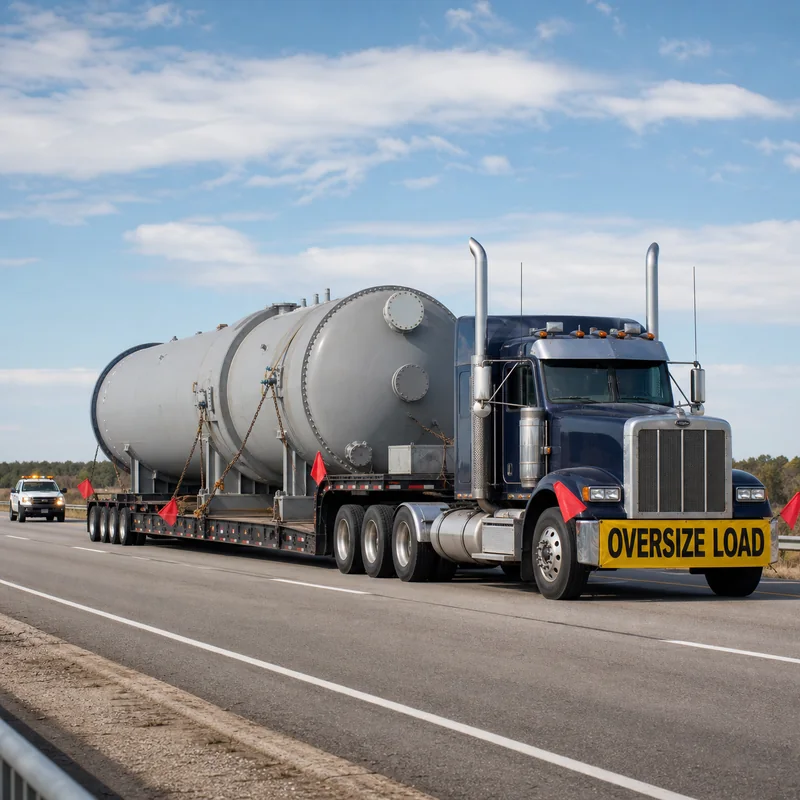
Energy freight dominates the western half, with Bakken operations consuming pipe, tanks, sand, equipment and materials on open decks, moving to well sites at the end of gravel roads. Urgent parts runs are routine, and oversized equipment moves require permits and route planning across long distances.
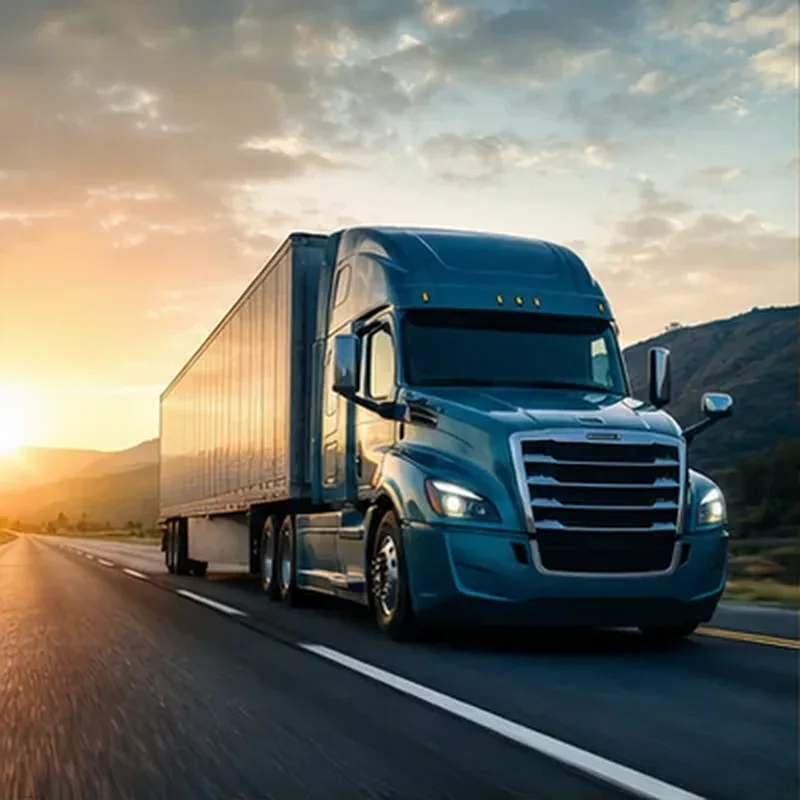
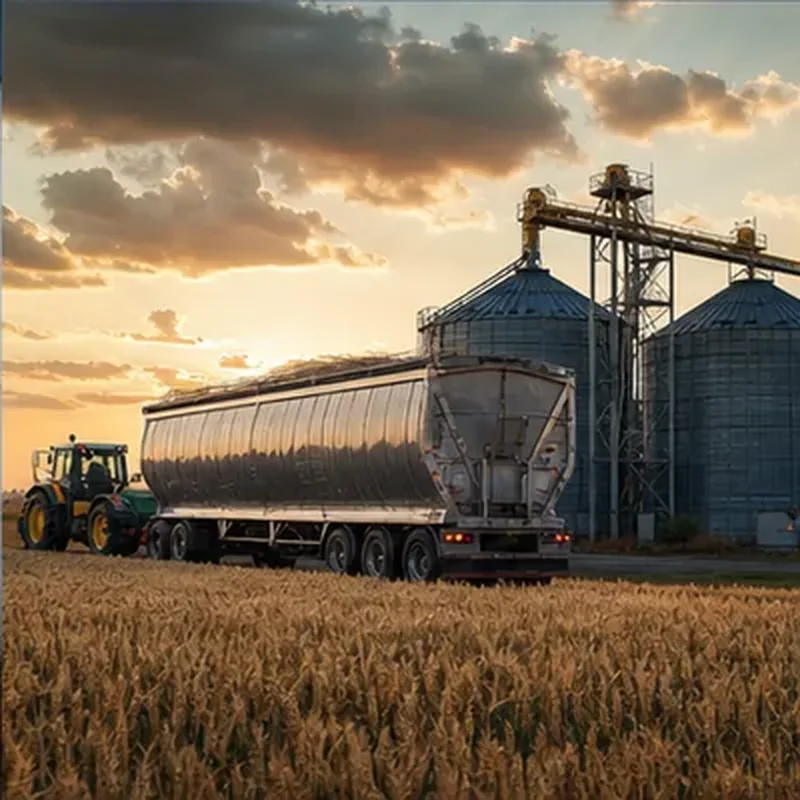
The eastern half runs agriculture at serious scale, shipping wheat, soybeans, sugar beets, corn and pulse crops from elevators and processing facilities, much of it moving hundreds of miles to processors or export channels. Food processing, manufacturing at modest scale and Canadian cross-border trade round out the profile.
The corridors that carry it
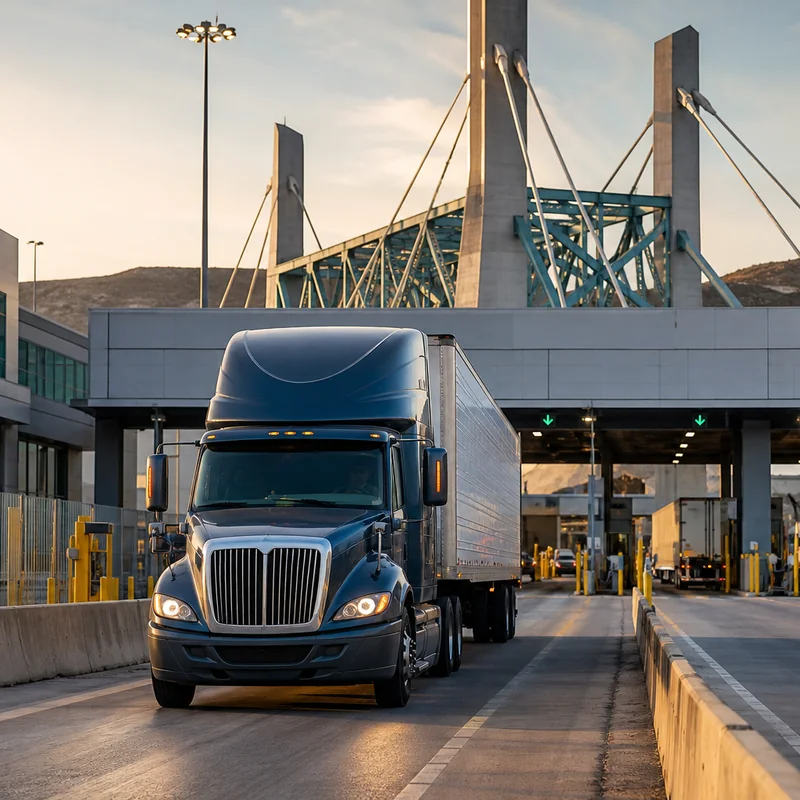
I-94 runs east-west across the southern half from Minnesota toward Montana, I-29 carries the north-south corridor along the eastern edge toward the Canadian border and US routes serve the Bakken and the interior. Distances are enormous, the population is thin and the northern crossings connect the state directly into Canadian trade.
Freight Flex in North Dakota
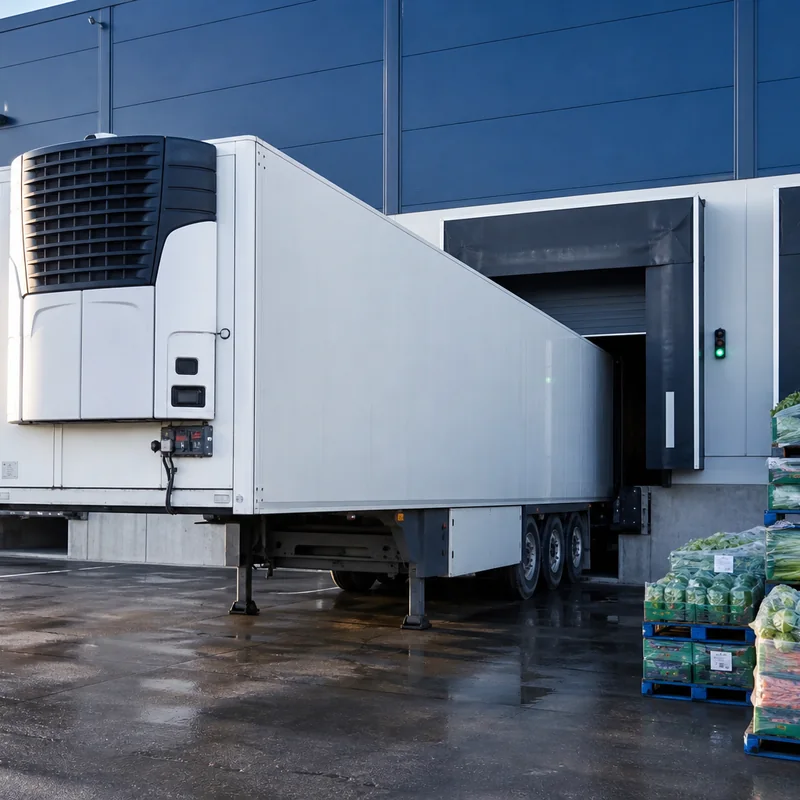
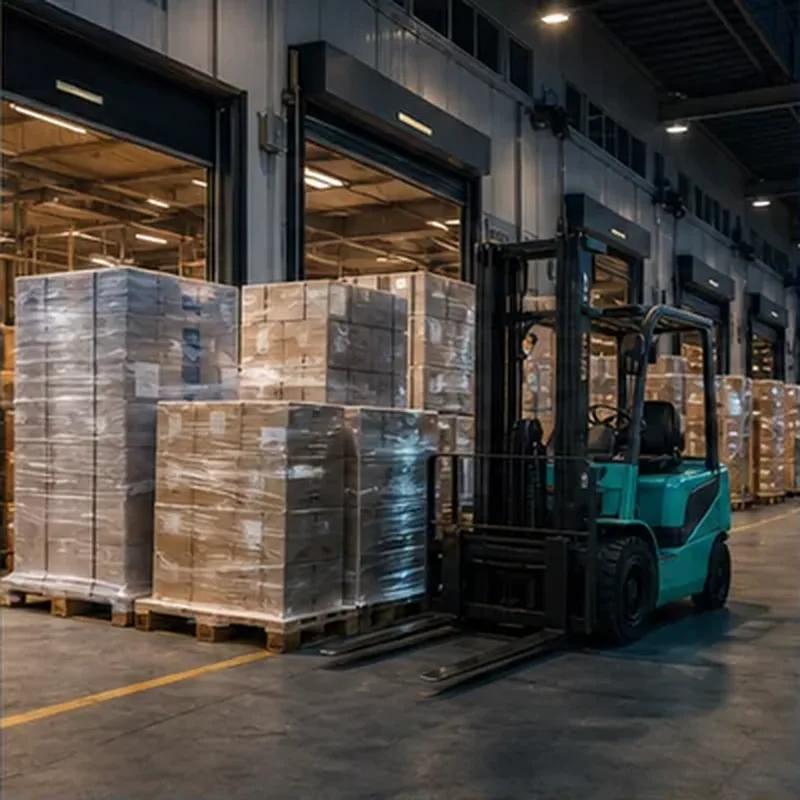
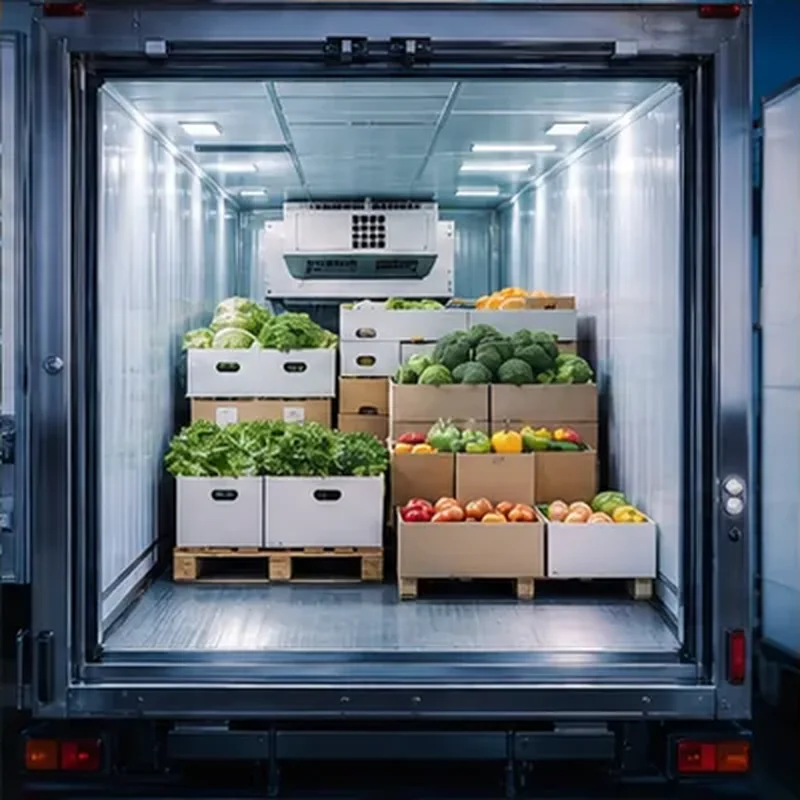
Freight Flex coordinates Flatbed, Heavy Haul and Over-Dimensional (OD) capacity for Bakken and industrial freight, Full Truckload (FTL) and Less Than Truckload (LTL) coverage statewide, Temperature-Controlled capacity for agricultural and food freight, Cross-Border coordination at the northern crossings and Expedited equipment when an operation is down. Carrier compliance tools and an agent success team available 24/7 support the move.