What moves through Tulsa
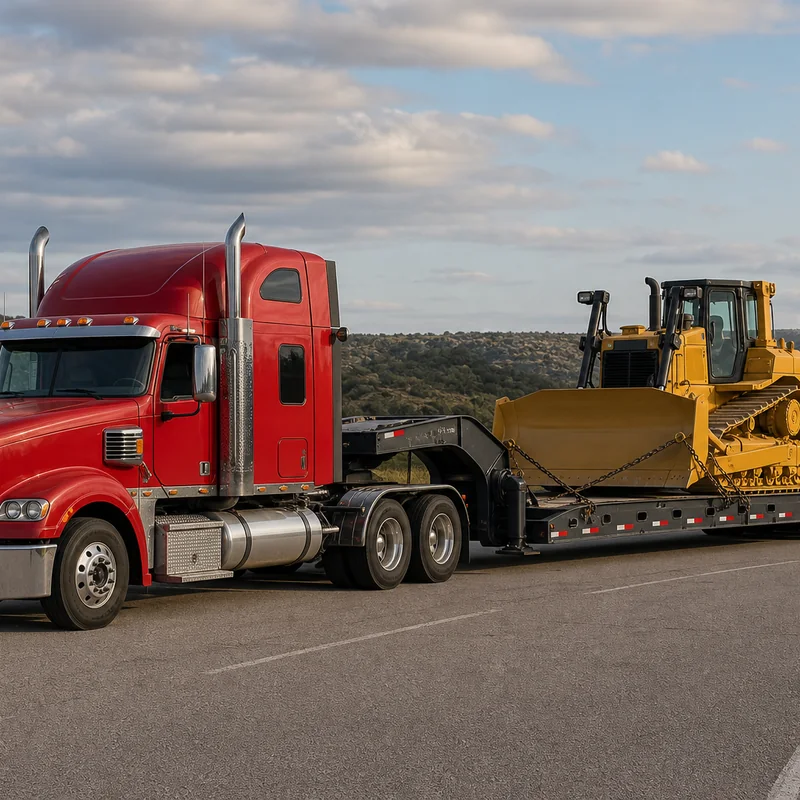
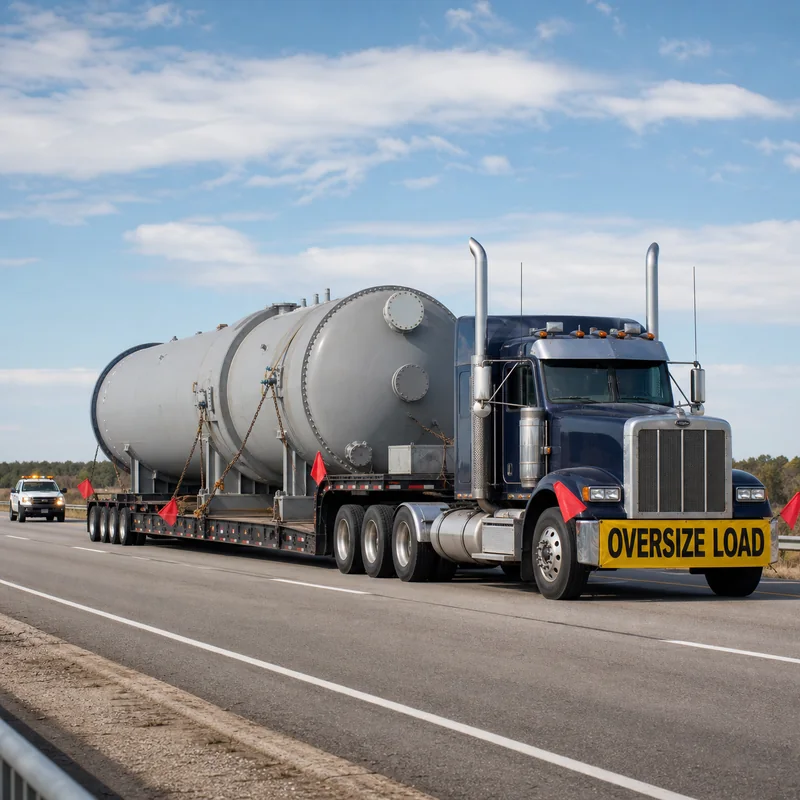
Energy equipment manufacturing gives Tulsa its distinctive freight, with fabricators building vessels, tanks, heat exchangers, separators and processing equipment that ships oversized to sites across the country. That output makes the metro an origin market for heavy haul rather than merely a destination.
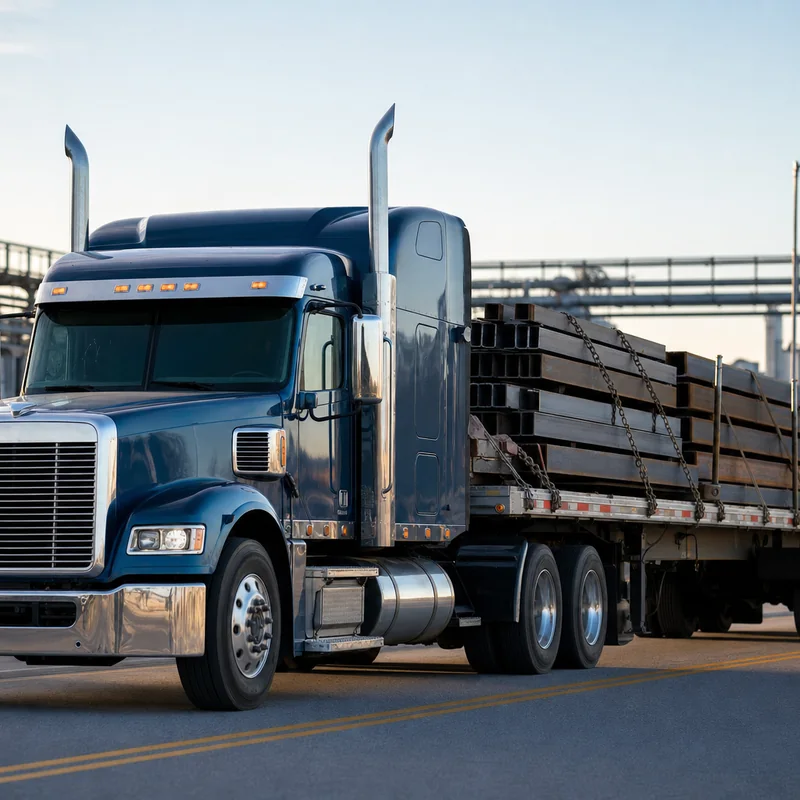
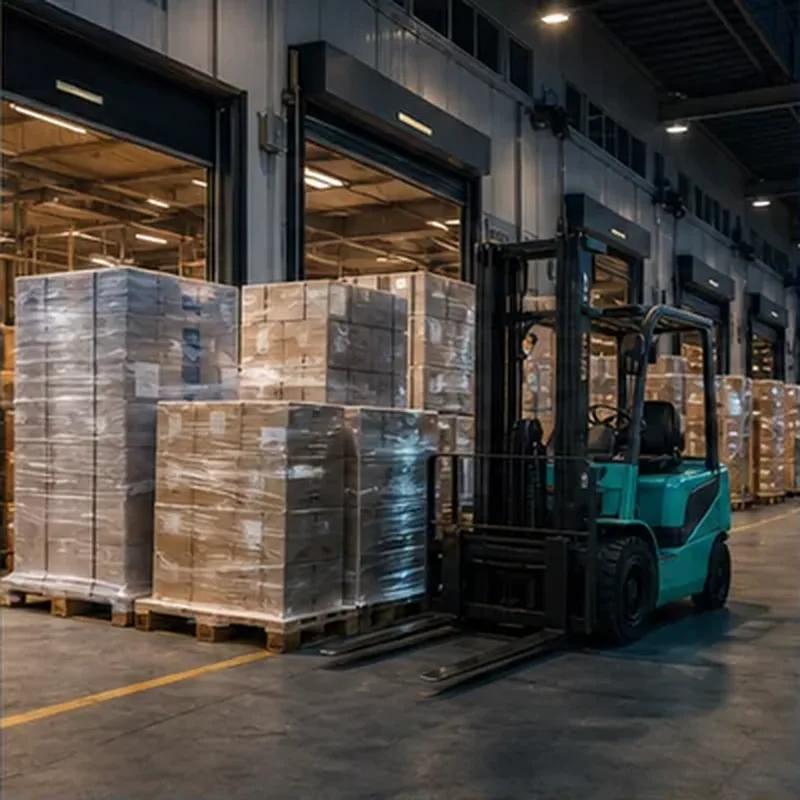
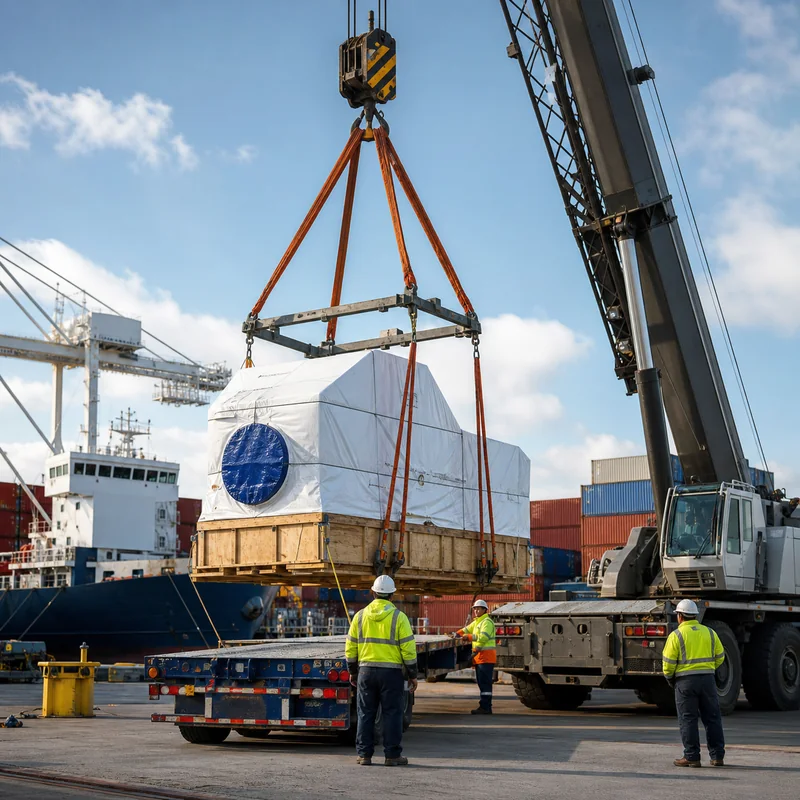
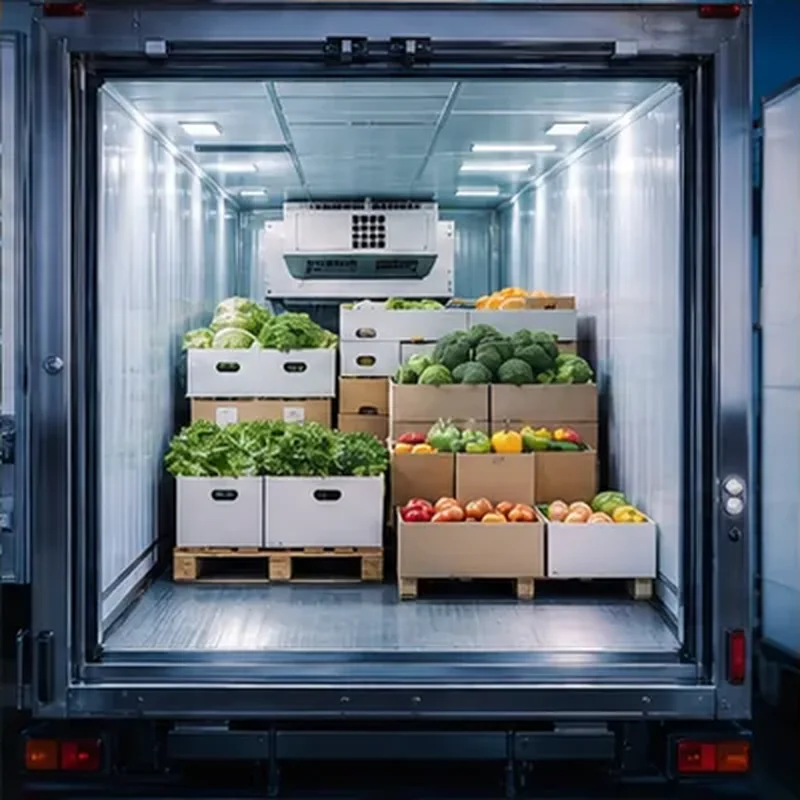
Aerospace maintenance and manufacturing add high-value freight, machinery and metals fabrication ships on open decks and the Tulsa Port of Catoosa provides inland waterway access for cargo too large or heavy for practical highway movement. Distribution and food processing serve the region.
The corridors that carry it
I-44 runs southwest toward Oklahoma City and northeast toward Missouri, US-75 and US-169 carry north-south regional traffic and the Arkansas River navigation system connects the port to the Mississippi. That combination makes Tulsa a genuine multimodal origin for oversized freight.
Freight Flex in Tulsa
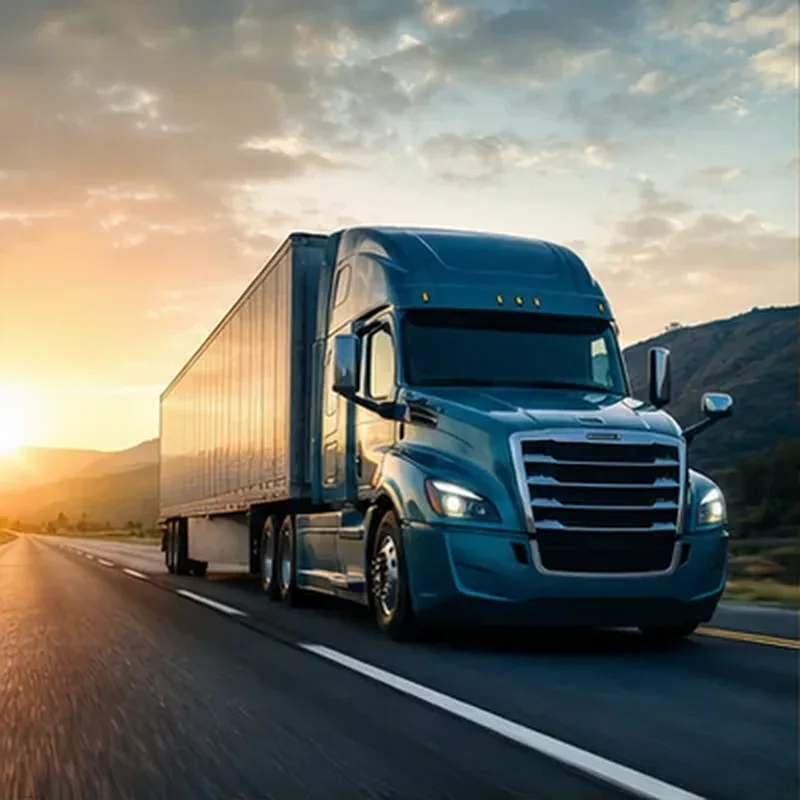
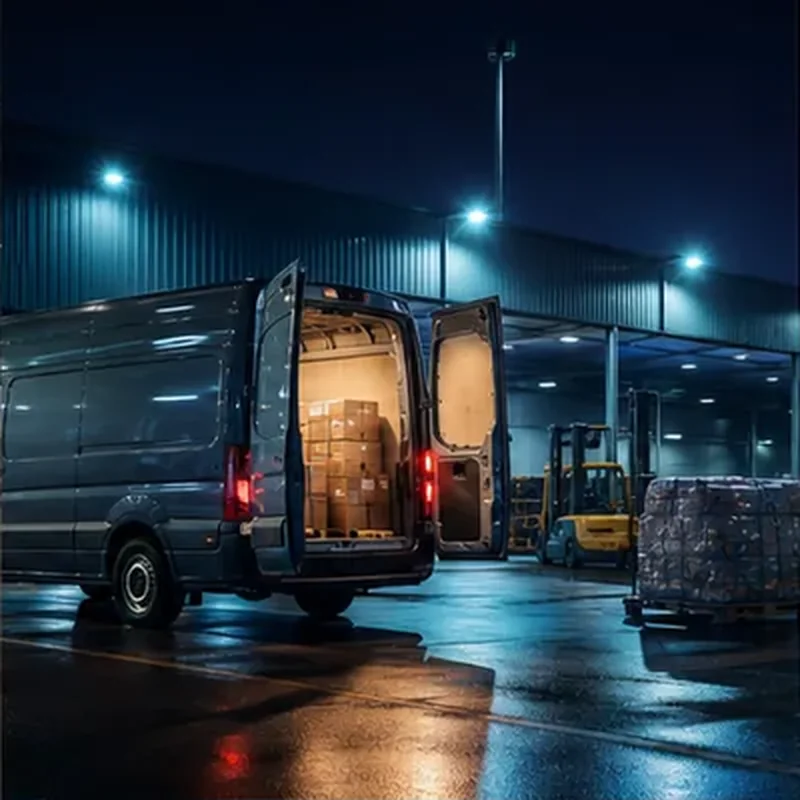
Freight Flex coordinates Heavy Haul, Over-Dimensional (OD) and Flatbed capacity for energy equipment and fabricated products, Project Cargo coordination for multi-piece programs, Full Truckload (FTL) and Less Than Truckload (LTL) coverage across the region and Expedited equipment when a schedule tightens. Carrier compliance tools and an agent success team available 24/7 support the move.