What moves through Dallas-Fort Worth
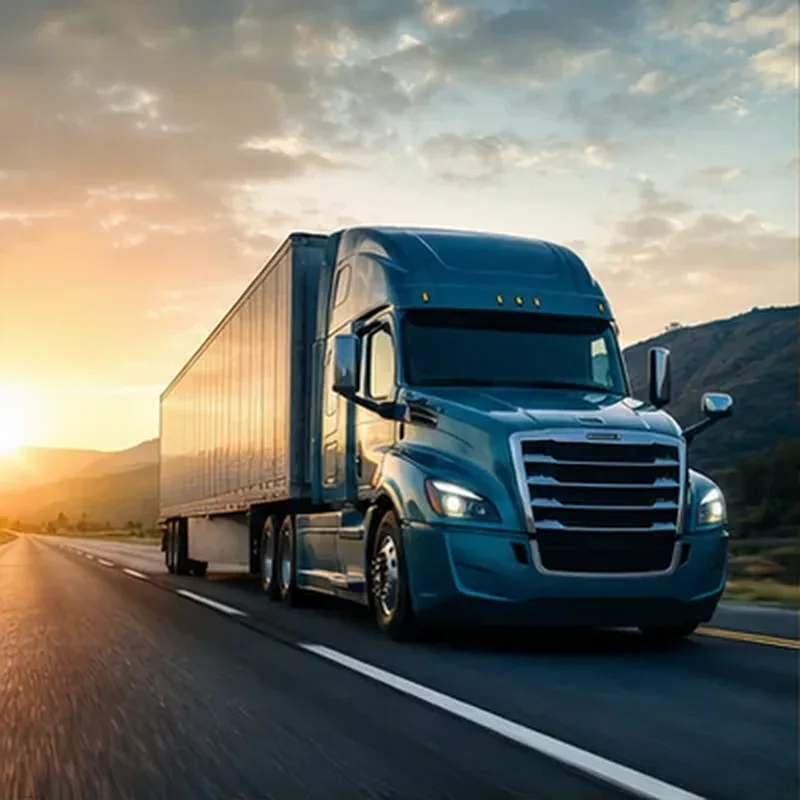
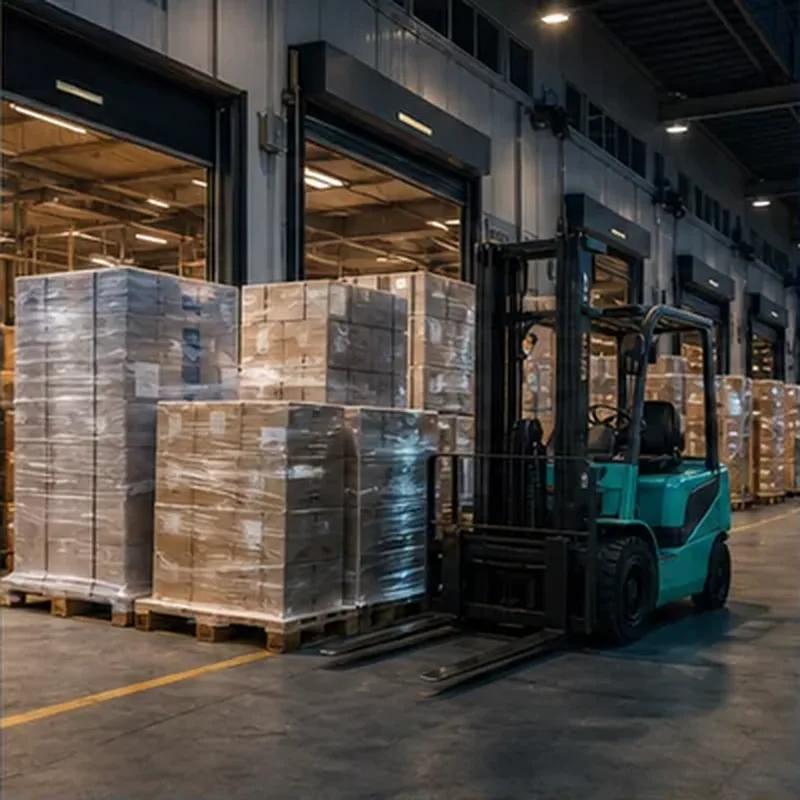
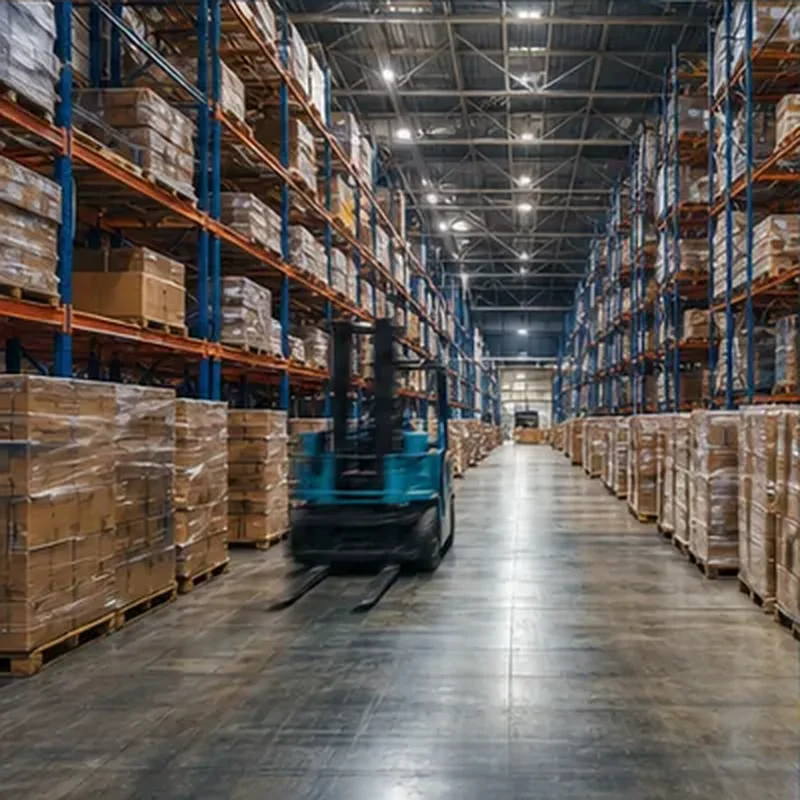
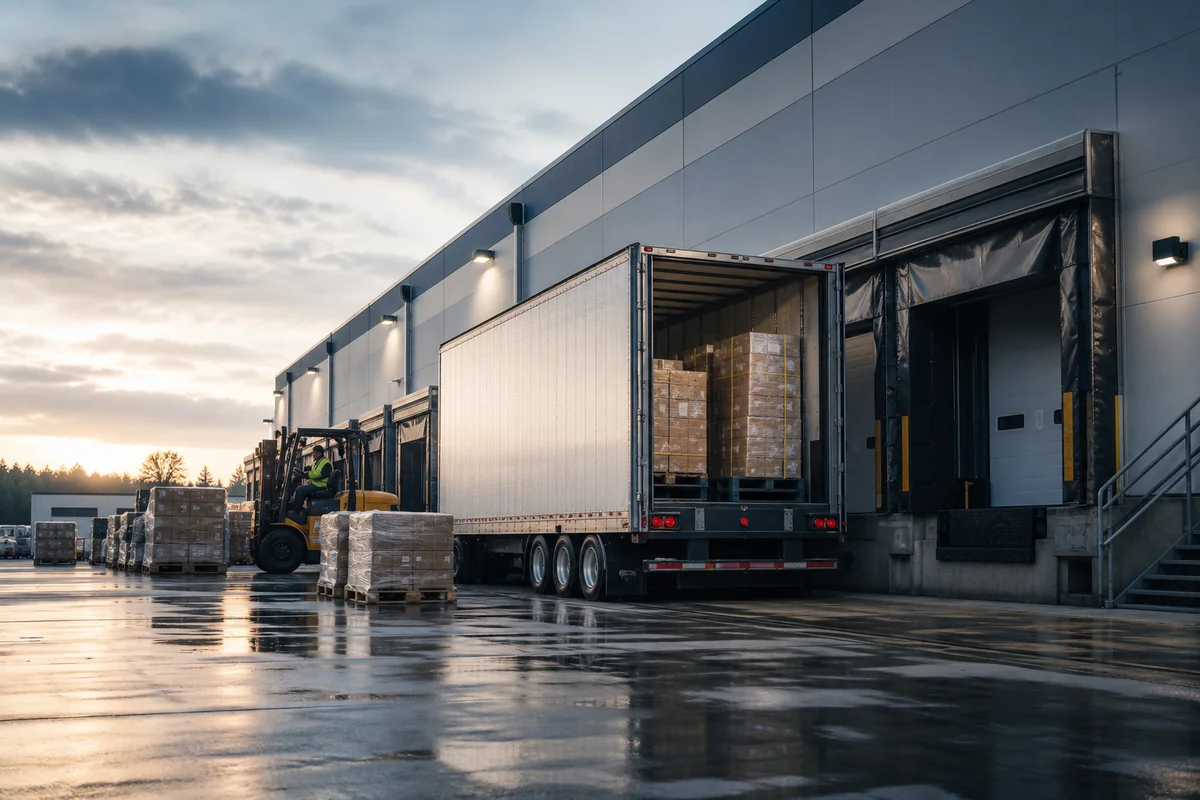
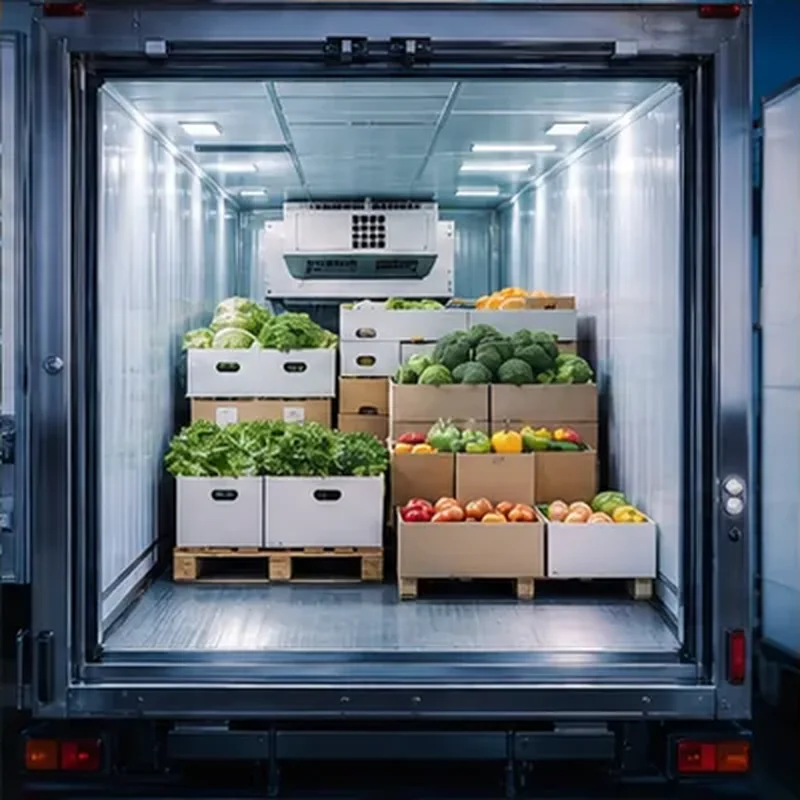
DFW is built for throughput. National retailers, ecommerce networks and consumer brands anchor their south-central distribution here, drawn by a location that reaches most of the country within two days by truck. The metro's freight mix runs from full trailers of retail and ecommerce inventory to the LTL churn of a huge industrial base, with food distribution, manufacturing, building materials for a booming construction market and a fast-growing data center corridor layered on top.
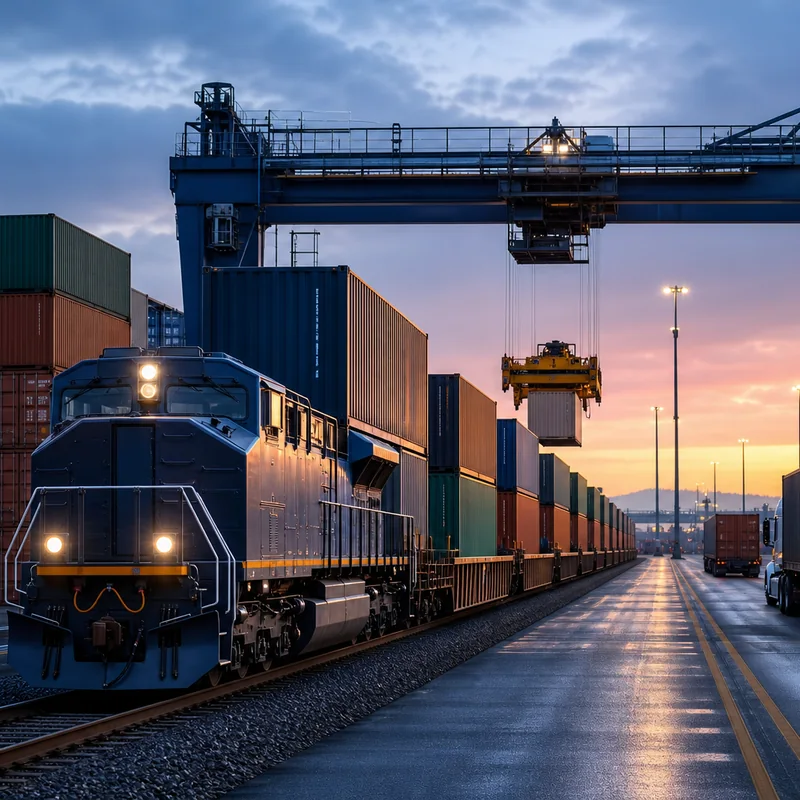
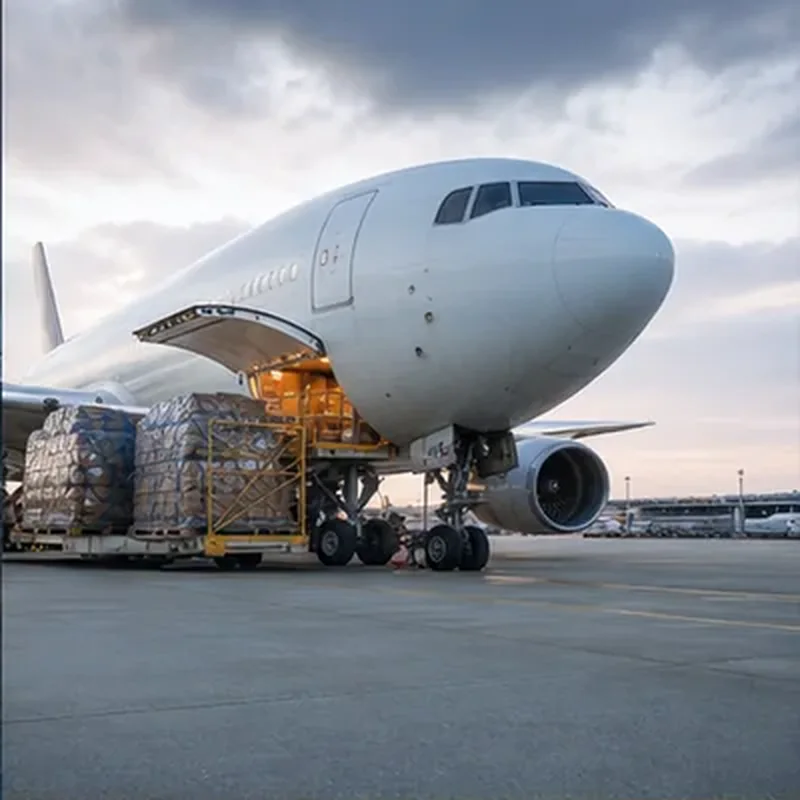
The infrastructure matches the volume. Intermodal ramps in the metroplex connect DFW to the ports and the coasts by rail, DFW International Airport moves air cargo at global scale, and the AllianceTexas corridor north of Fort Worth concentrates logistics operations in one of the country's premier inland ports.
The corridors that carry it
Four interstates radiate from the metroplex, meaning I-35 running the border-to-heartland corridor through the middle of the metro, I-20 and I-30 splitting east toward the Southeast and Mid-South, and I-45 dropping straight to Houston and the Gulf. That geometry makes DFW a natural relay point, and it makes metro capacity deep but heavily contested, with the fourth-quarter retail surge and produce season pulls tightening equipment across the market in predictable waves.
Freight Flex in Dallas-Fort Worth
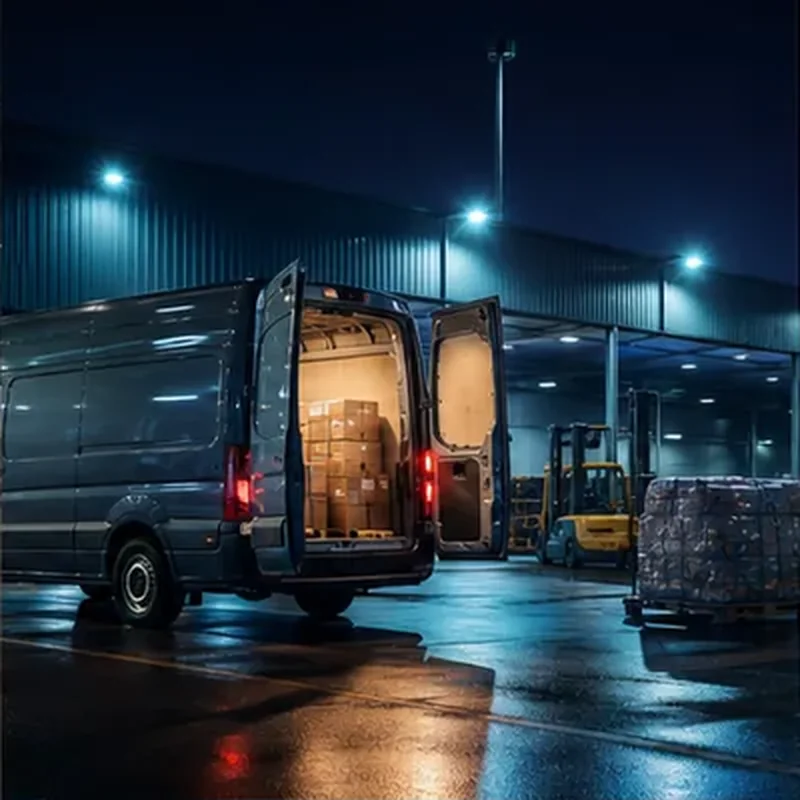
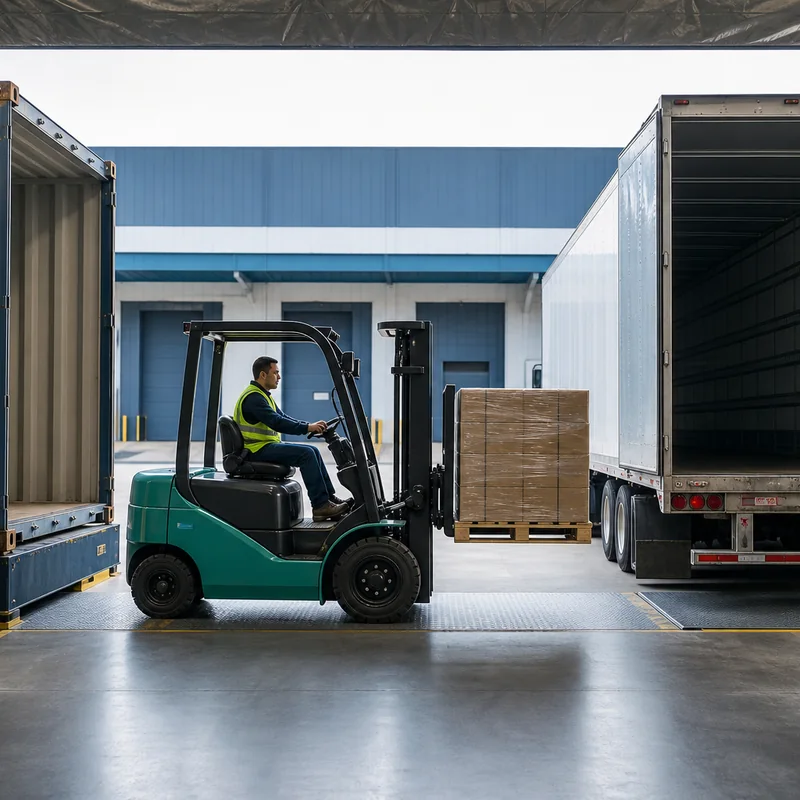
This is the home office. Freight Flex coordinates Full Truckload (FTL) and Less Than Truckload (LTL) freight across the metro's distribution networks, Intermodal moves through the DFW ramps, Transloading for import flows landing inland, Air Freight coordination at DFW with TSA-compliant drivers, and Expedited equipment across a metro where a crosstown move can save a national schedule. Carrier compliance tools and an agent success team available 24/7 support the work across these lanes.