Harrisburg

Harrisburg Freight

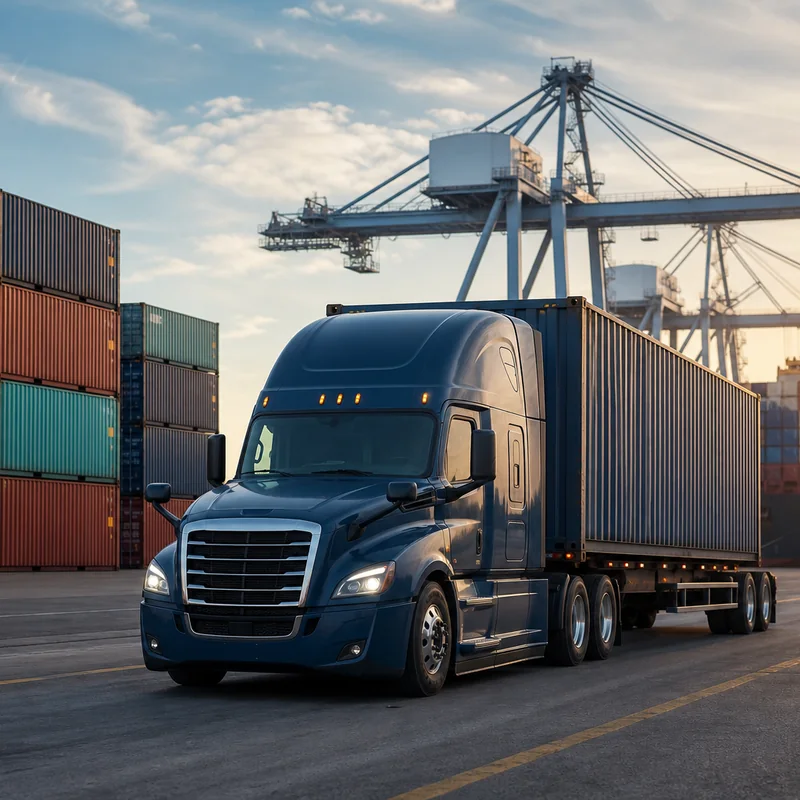
Central Pennsylvania quietly became one of America's most important distribution corridors, close enough to serve the Northeast overnight and far enough inland to make the economics work. Freight Flex coordinates Harrisburg freight across the corridor, with vetted carriers on every lane.

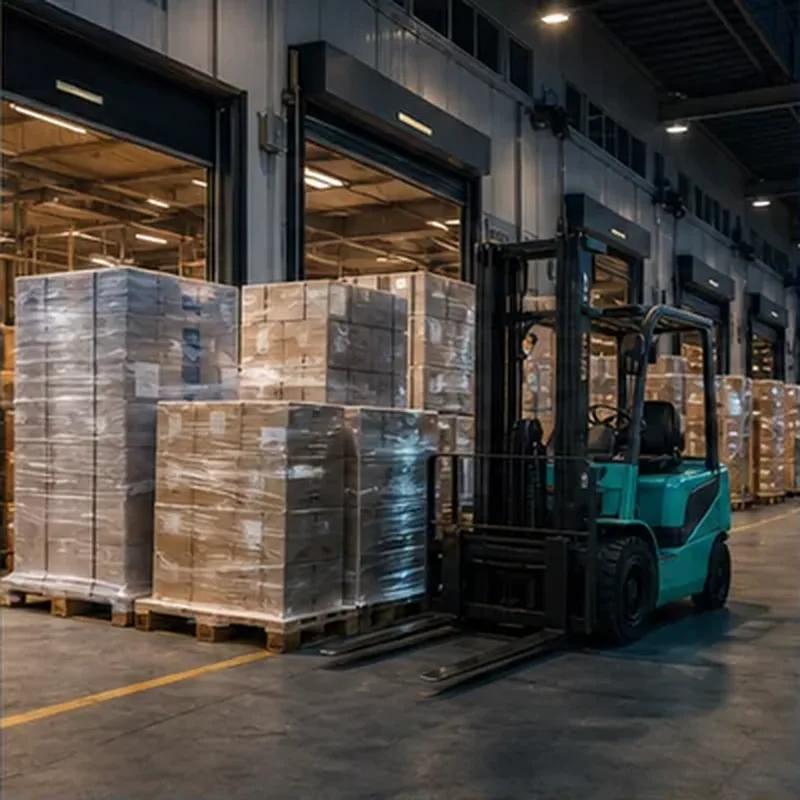
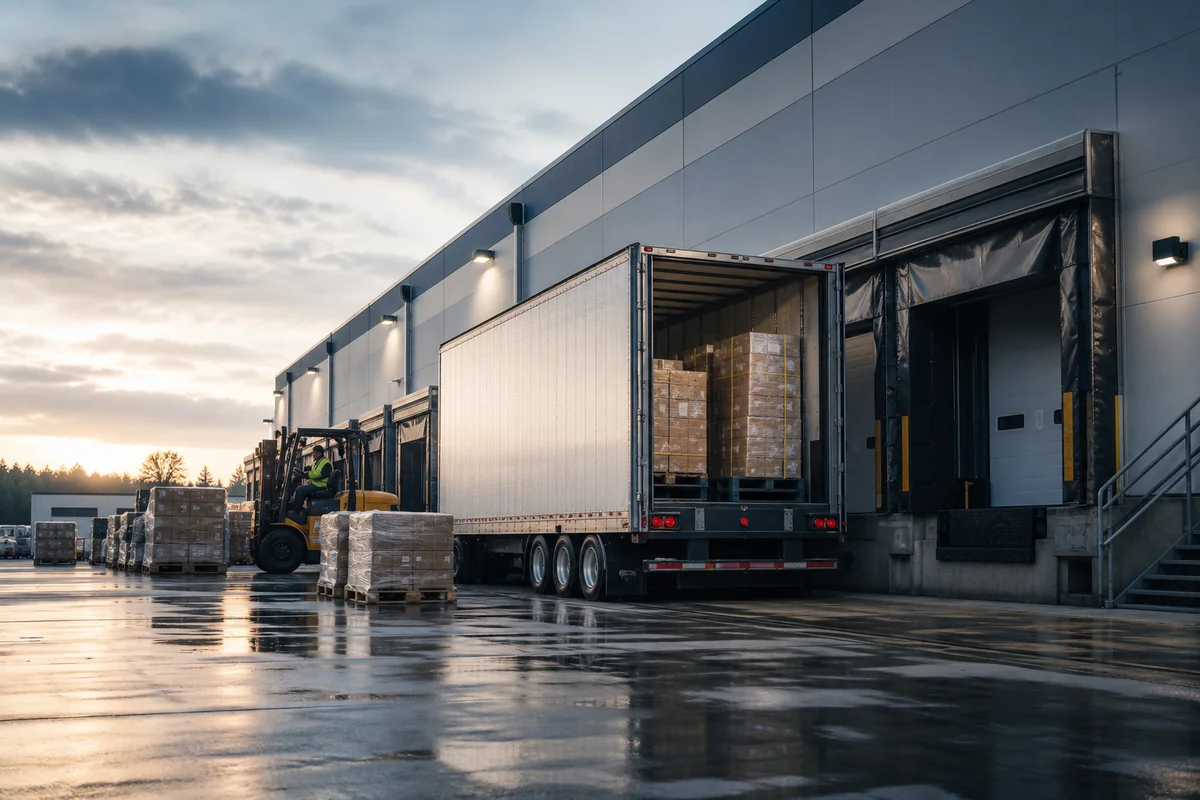
Distribution warehouses lining the central Pennsylvania freight corridor near Harrisburg
The Harrisburg Market

Freight coordination in central Pennsylvania's corridor. The Northeast, served from inland.

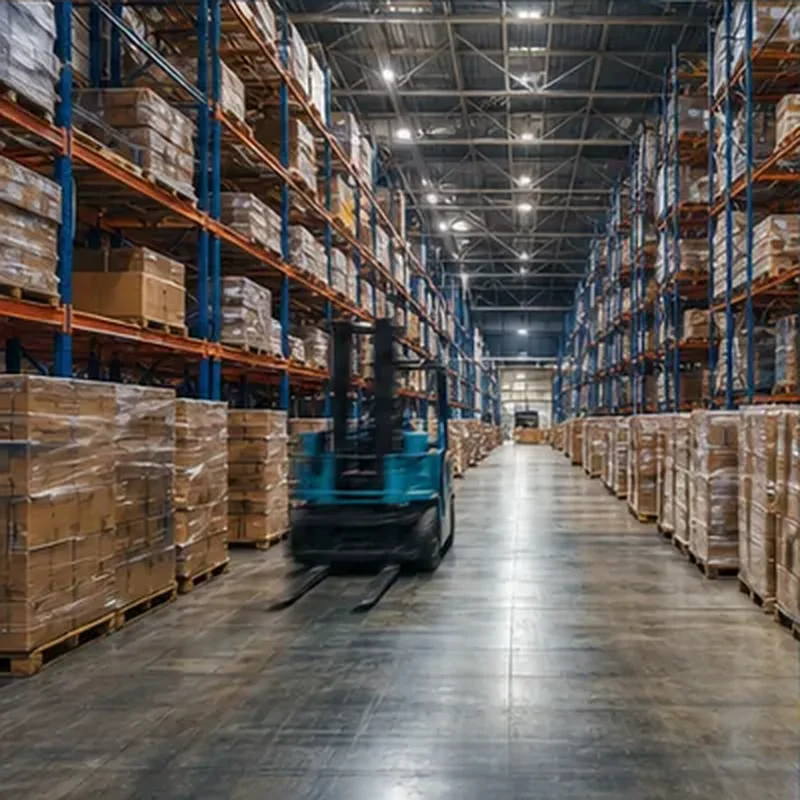
The Harrisburg corridor holds one of the country's densest concentrations of distribution space, built to serve a third of the US population within a day's drive. Freight Flex coordinates Harrisburg freight across the corridor's warehouse economy and the lanes that feed it.

What moves through Harrisburg

The corridor exists to hold the Northeast's inventory. National retailers, ecommerce networks and consumer brands operate enormous distribution and fulfillment facilities along I-81 and I-78, receiving import freight railed and trucked from the ports and dispatching it outward to a population base unmatched anywhere in the country. The freight profile runs heavy on inbound truckload and container-derived volume, with outbound running the full range from full trailers to regional LTL.

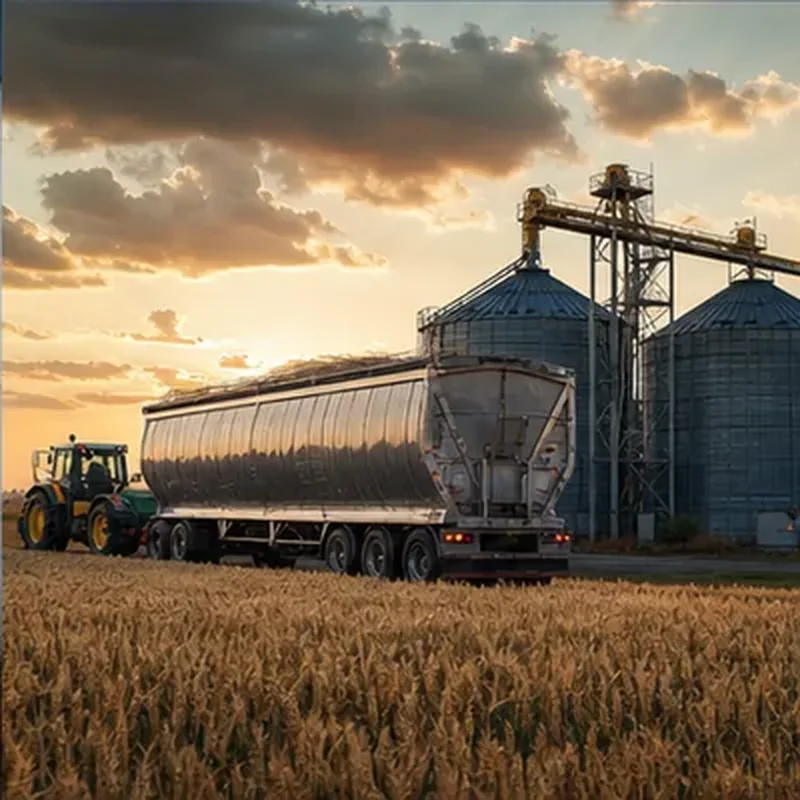
Beneath the distribution layer sits a real industrial economy, meaning manufacturing across central Pennsylvania, food processing, building materials and the agricultural output of some of the most productive farmland in the East.

The corridors that carry it

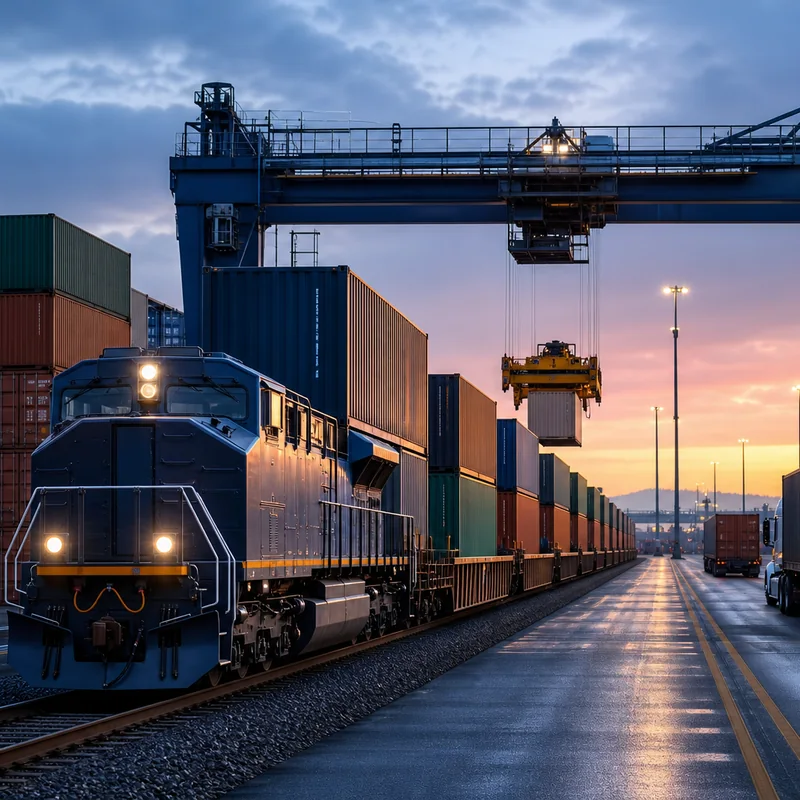
I-81 runs the corridor's spine from Virginia up through Pennsylvania toward New York, I-78 connects east to the Lehigh Valley and the New York-New Jersey market, and I-76 and I-83 fill in the rest. Intermodal ramps in the corridor tie the market to the ports and the national rail network, giving importers an inland option that avoids coastal congestion while keeping the Northeast within reach.

Freight Flex in Harrisburg

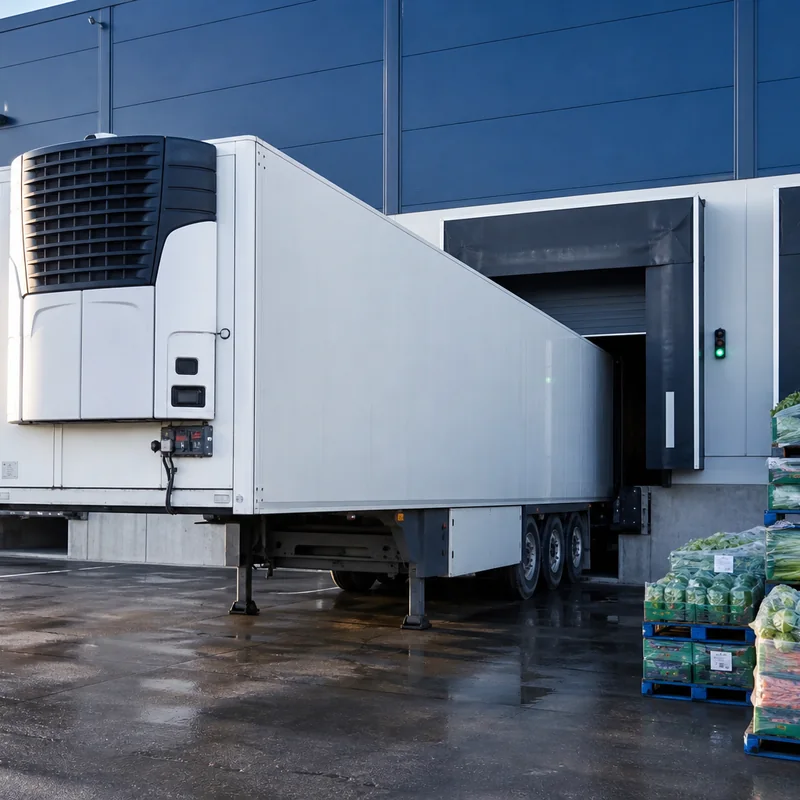
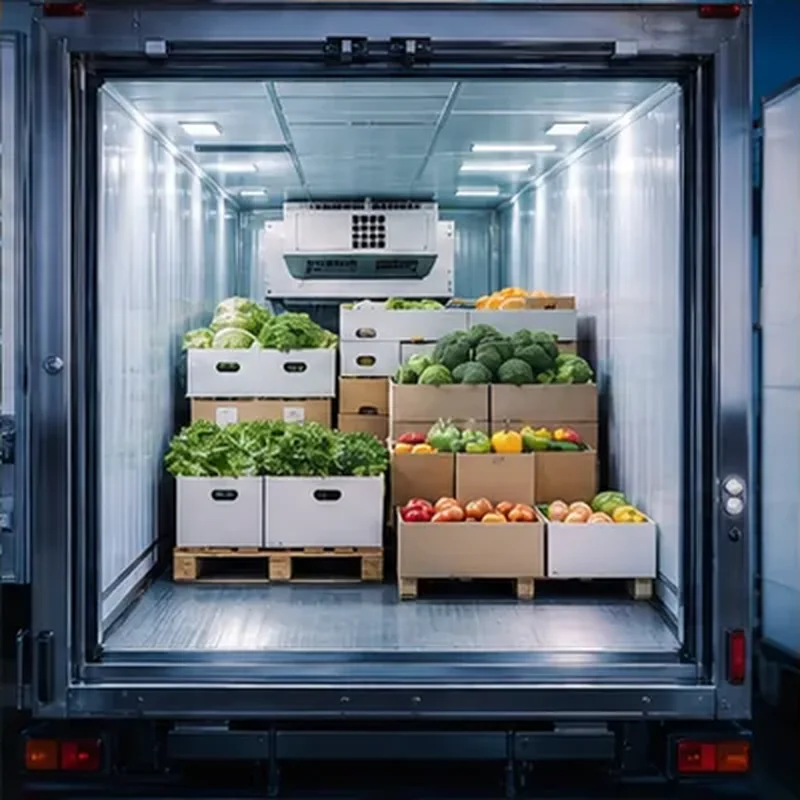
Freight Flex coordinates Full Truckload (FTL) and Less Than Truckload (LTL) freight across the corridor's distribution networks, Intermodal and Drayage through the regional ramps, Transloading converting import containers to corridor distribution, Temperature-Controlled capacity for the food economy and Expedited equipment for the schedules Northeast retail sets. Carrier compliance tools and an agent success team available 24/7 support the move.


Built for the Corridor

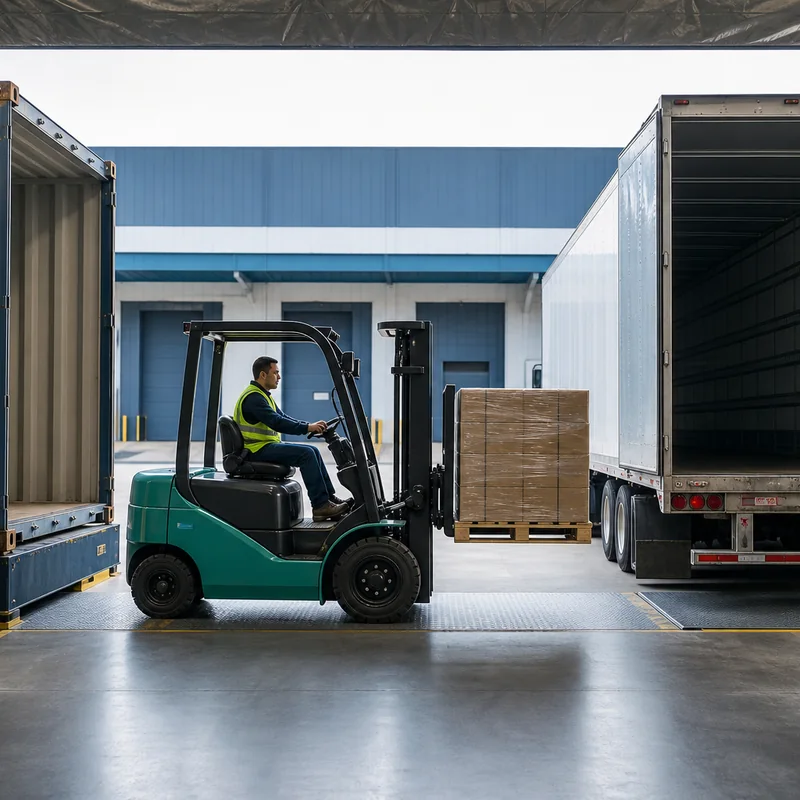
Deliveries planned for the appointment systems that run central Pennsylvania's distribution campuses, with dock rules and pallet standards confirmed at booking.

Inland From the Ports

Import freight moves into the corridor by rail and truck, with transloading converting boxes to Northeast distribution while containers cycle back inside free time.

Compliance on Every Lane

Carrier compliance tools support shipment security, backed by an agent success team available 24/7. Corridor volume never lowers the bar.

The Freight Flex promise

Your Northeast inventory lands right. Build With Flex.

For every shipper moving Harrisburg freight, Freight Flex commits to delivering into the corridor's distribution networks by their rules, sequencing import flows from the ports as one plan and covering outbound lanes with vetted capacity through every peak. Winter weather gets buffered into schedules rather than blamed afterward, and the corridor's whole reason for existing, meaning fast reach into the Northeast, gets protected on every load.

0+
Shipments Coordinated
#0
Inc. 5000 Fastest-Growing Private Companies
0
States of Nationwide Coverage
0+
Freight Flex Offices
Operating standards

Harrisburg freight standards. Vetted. Verified. Visible.

Freight Flex combines carrier compliance tools with an agent success team available 24/7 to help reduce cargo theft, fraud and claims and support shipment visibility. These standards ride on every Harrisburg load we arrange.

  • Only work with Highway verified Motor Carriers.
  • 1+ year active authority required.
  • Double-brokering and identity fraud screened, then monitored in transit.
  • $1M Auto Liability + $100K Cargo Insurance required.
  • VIN verified on every shipment through Highway Load Lock.
  • Supplemental cargo insurance available up to $2,000,000 per shipment, beyond standard carrier coverage.
Freight services

The services corridor freight uses most. Distribution's toolkit.

Harrisburg freight runs the distribution playbook. Truckload and LTL move the corridor's inbound and outbound volume, intermodal and drayage connect the ramps, transloading converts the import boxes, temperature-controlled capacity serves the food economy and expedited protects the Northeast's tightest schedules.

See All Services
Industries

The industries that run on corridor freight. Central Pennsylvania's economy.

Harrisburg freight serves the corridor's defining sectors, meaning retail and ecommerce distribution staging the Northeast, consumer brands holding national inventory, food and beverage processing and distribution, manufacturing across central Pennsylvania, building materials and the agricultural economy of the surrounding counties.

See All Industries
Planning Corridor Freight

How shippers plan Harrisburg freight. Inventory, positioned right.

Corridor planning is about two things, meaning getting import freight into the market efficiently and running outbound distribution against receiving networks that expect precision.

Import positioning without the coastal congestion.

The corridor's strategic value is holding Northeast inventory without paying Northeast real estate or fighting coastal congestion, and the freight plan should protect that advantage. Containers can move inland by Intermodal rail to the regional ramps for local Drayage, or convert through Transloading near the coast into palletized corridor freight, and the better answer shifts by program. Freight Flex prices both paths against the actual cargo and sequences whichever wins from vessel to warehouse door.

Peak season sharpens the decision, since the same import waves that fill corridor warehouses tighten port drayage and rail capacity at once. Programs that book the connection ahead of the surge clear it, while programs that improvise pay the peak twice, once in rate and once in dwell.

Outbound distribution and Northeast reach.

The corridor's outbound side is the reason it exists, meaning a third of the US population within a day's drive and receiving networks that expect deliveries to prove it. Full Truckload (FTL) programs run the volume lanes east and north, Less Than Truckload (LTL) serves the regional networks priced on density from real dimensions, and appointment discipline governs everything, with dock procedures and pallet standards confirmed at booking.

Winter is the corridor's recurring test, since I-81 and I-78 run through weather that closes lanes and slows schedules from December through March. Standing programs carry seasonal transit buffers and time-critical freight keeps an Expedited recovery priced in advance. Serving the Northeast overnight only works when the plan accounts for the days the mountains and the storms disagree.

Reviews

What It’s Like to Build With Flex

Leave a Review
Pricing

Ready to Get Started?

Tell us the lane, commodity, weights and dimensions, and any port connection or appointment requirements. From one delivery to a Northeast distribution program, we will quote it with the corridor's rhythms built in.

Harrisburg shipment details

Get a Harrisburg Freight Quote

Submission received

Your quote request is in.

Thank you. A Freight Flex team member will review your shipment details and follow up shortly.

Build With Flex.