What moves through Lubbock
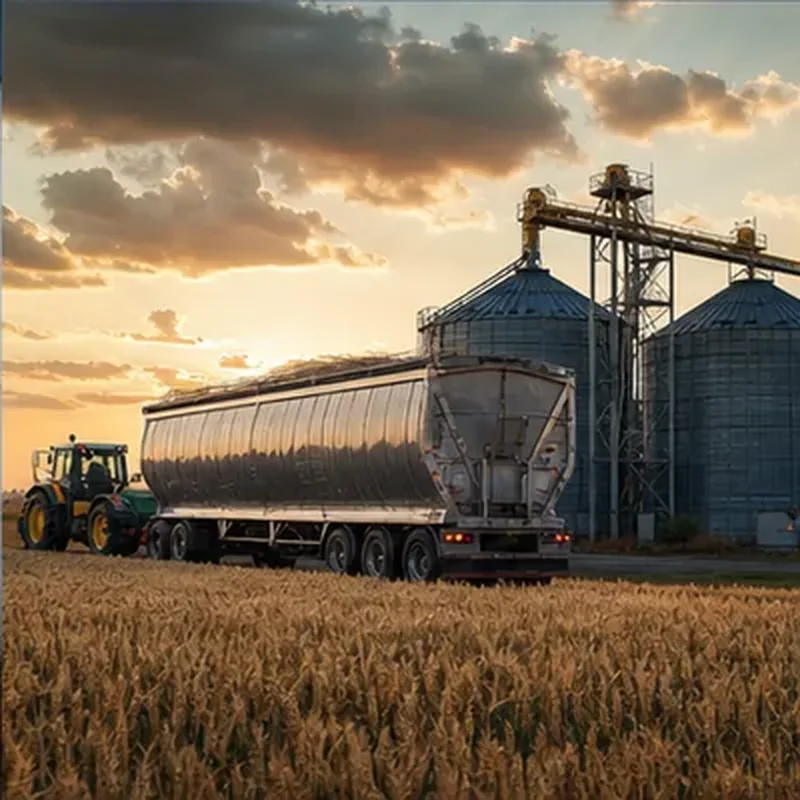
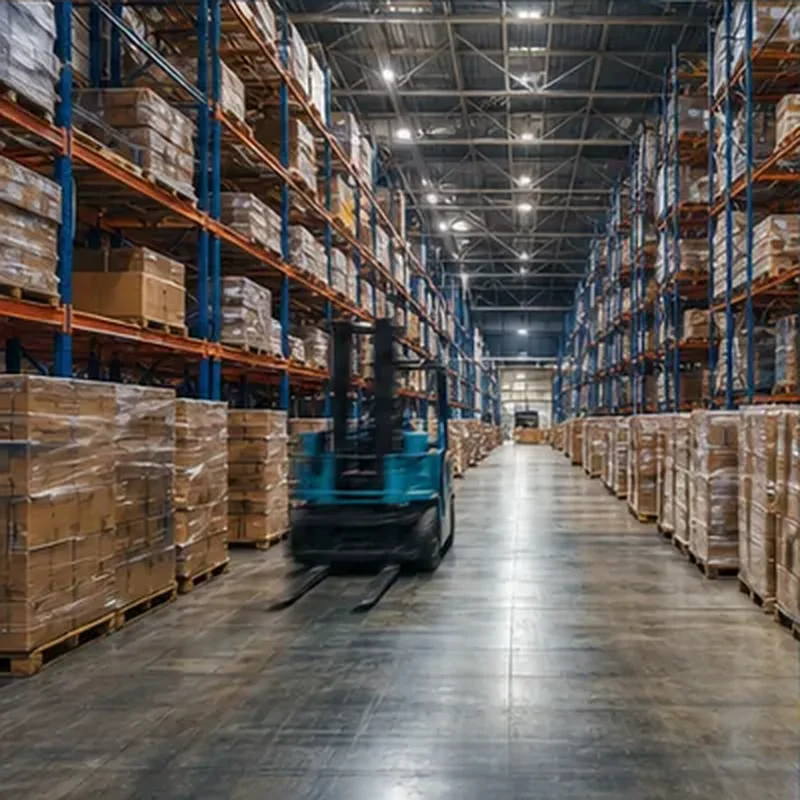
Cotton is the region's signature commodity, with gins, warehouses and compress operations shipping bales to textile markets and ports, joined by grain, peanuts and other crops from the surrounding plains. Food processing and agricultural inputs add year-round volume.
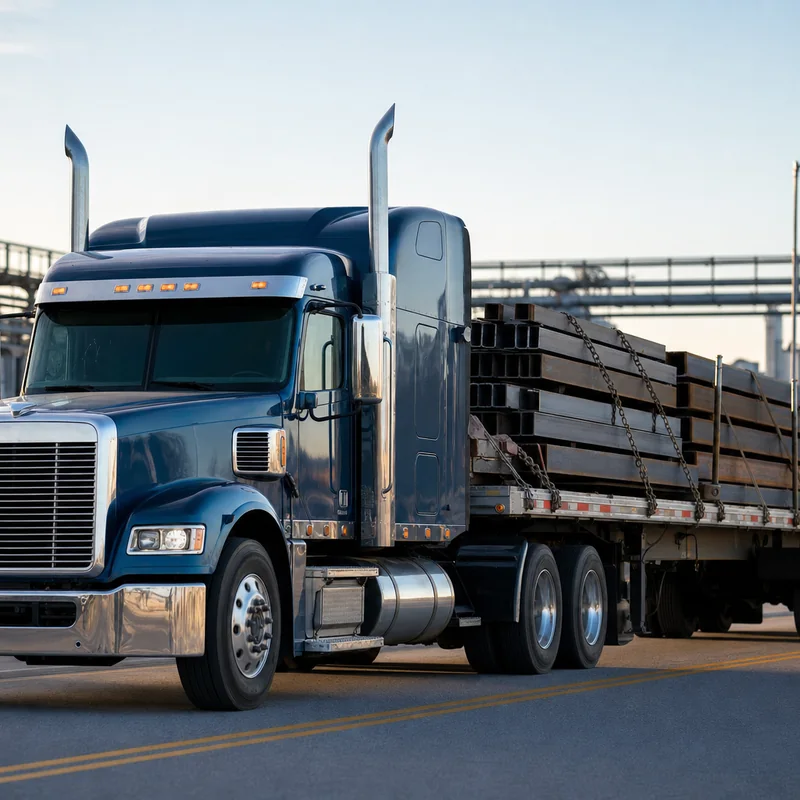
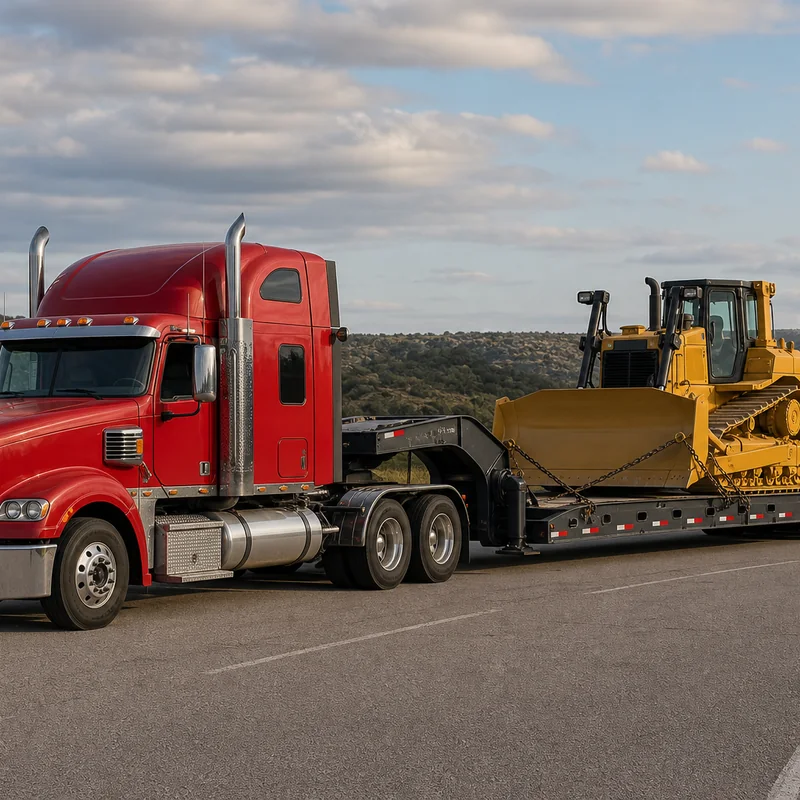
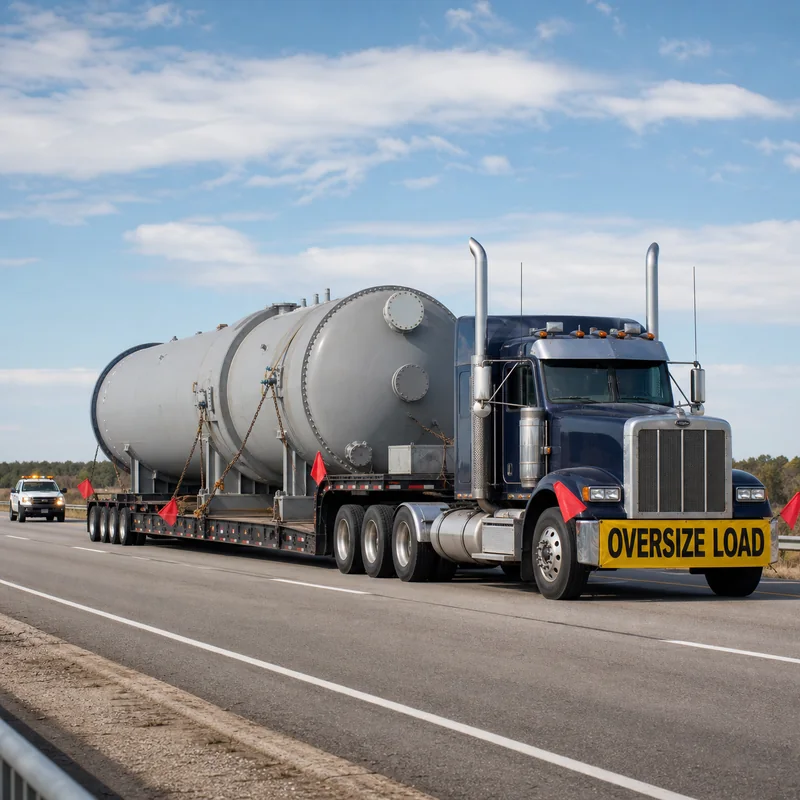
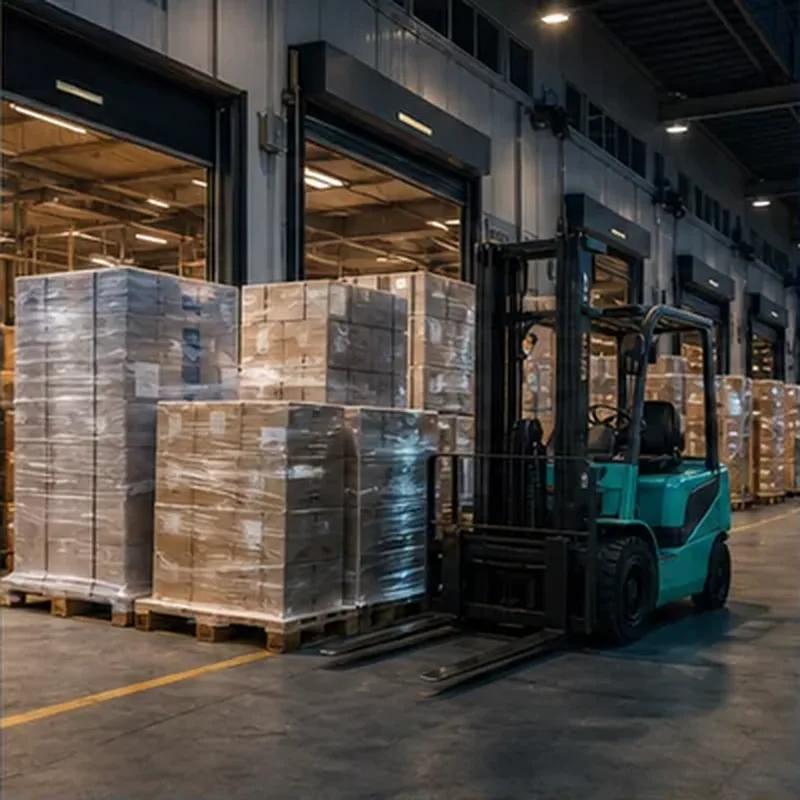
Energy activity in the broader West Texas region moves equipment and materials on open decks, wind energy has grown substantially with oversized component freight, and distribution serves a wide territory since the next major markets sit hours away in every direction.
The corridors that carry it
I-27 runs north to Amarillo, US-84, US-82 and US-62 carry the regional traffic and the Dallas-Fort Worth and Albuquerque connections both run several hours out. The distances are the defining constraint, since Lubbock sits far from the interstate network's densest corridors.
Freight Flex in Lubbock
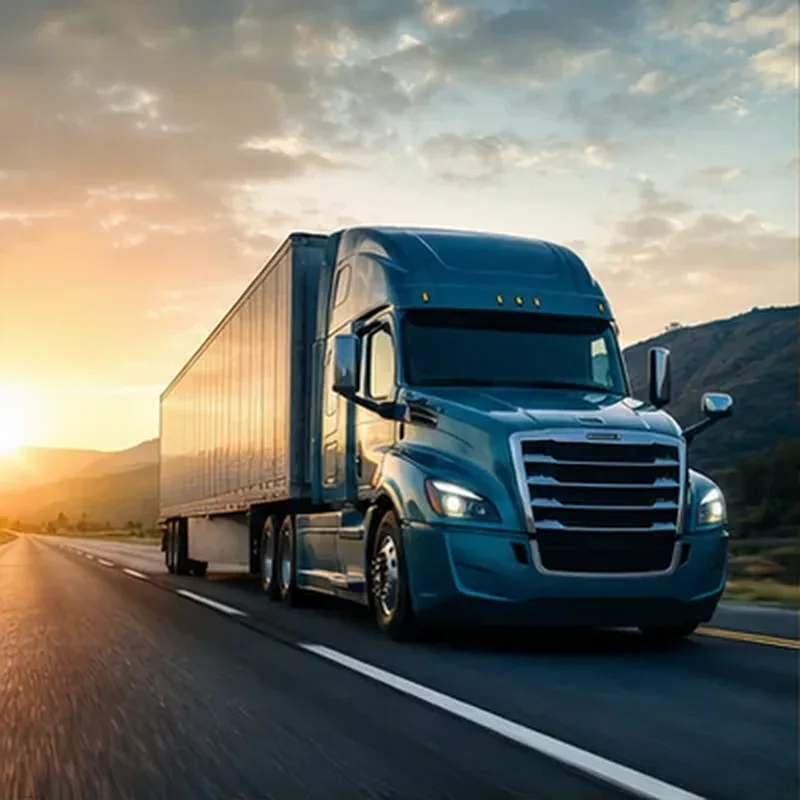
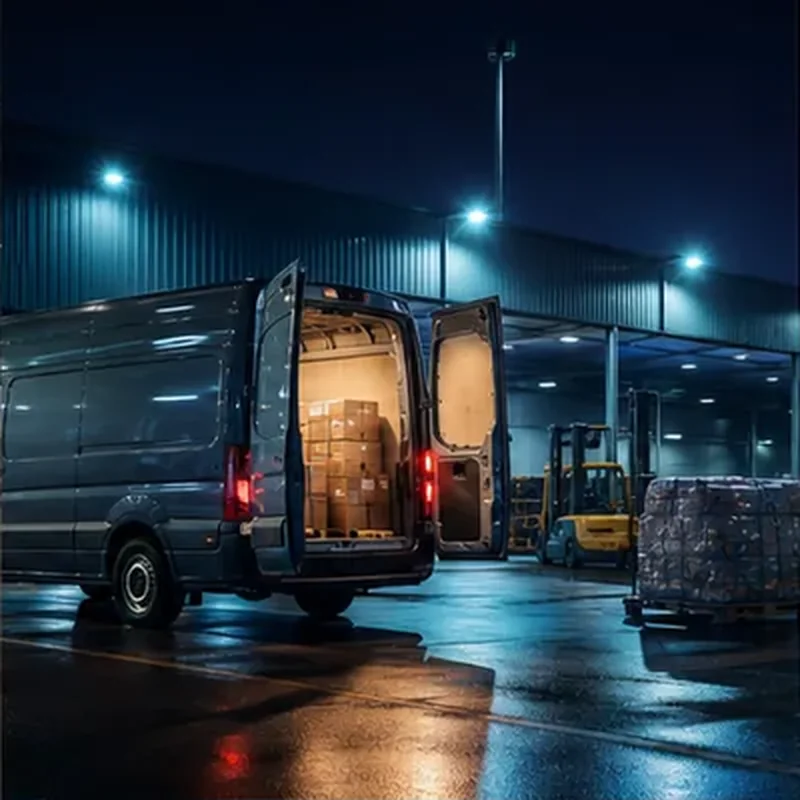
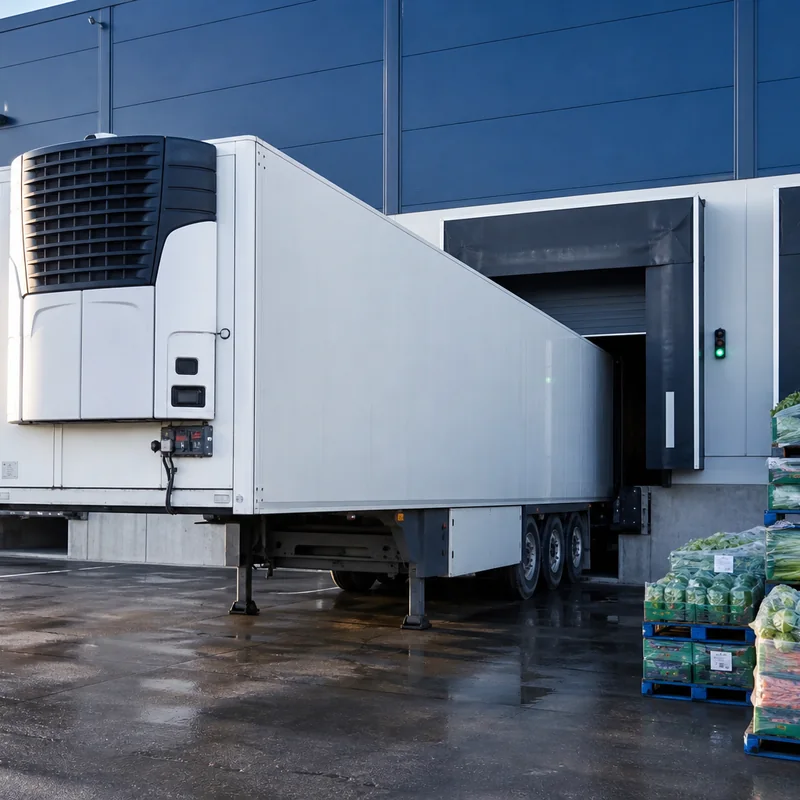
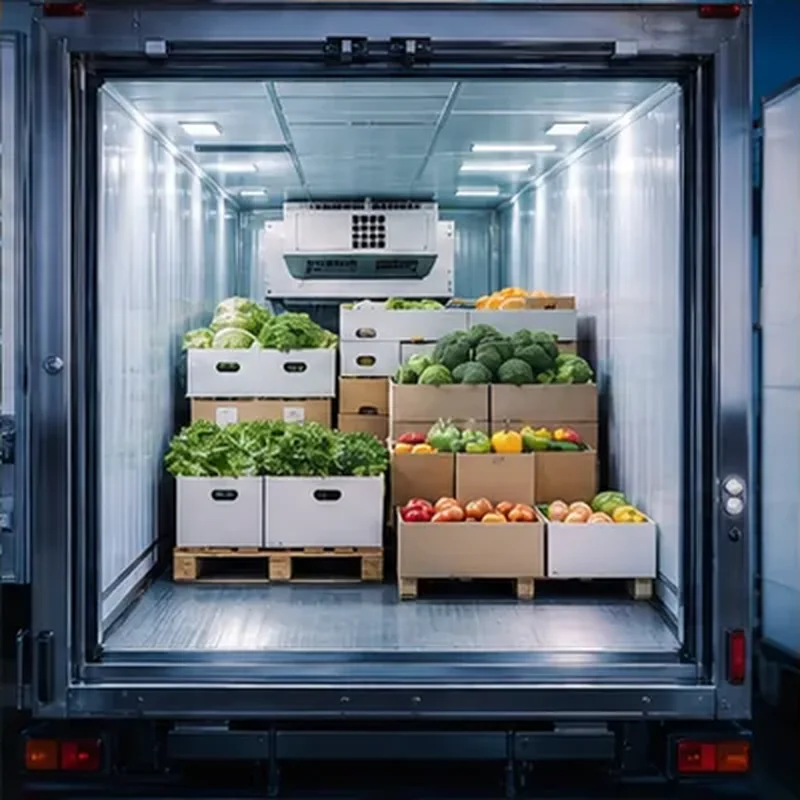
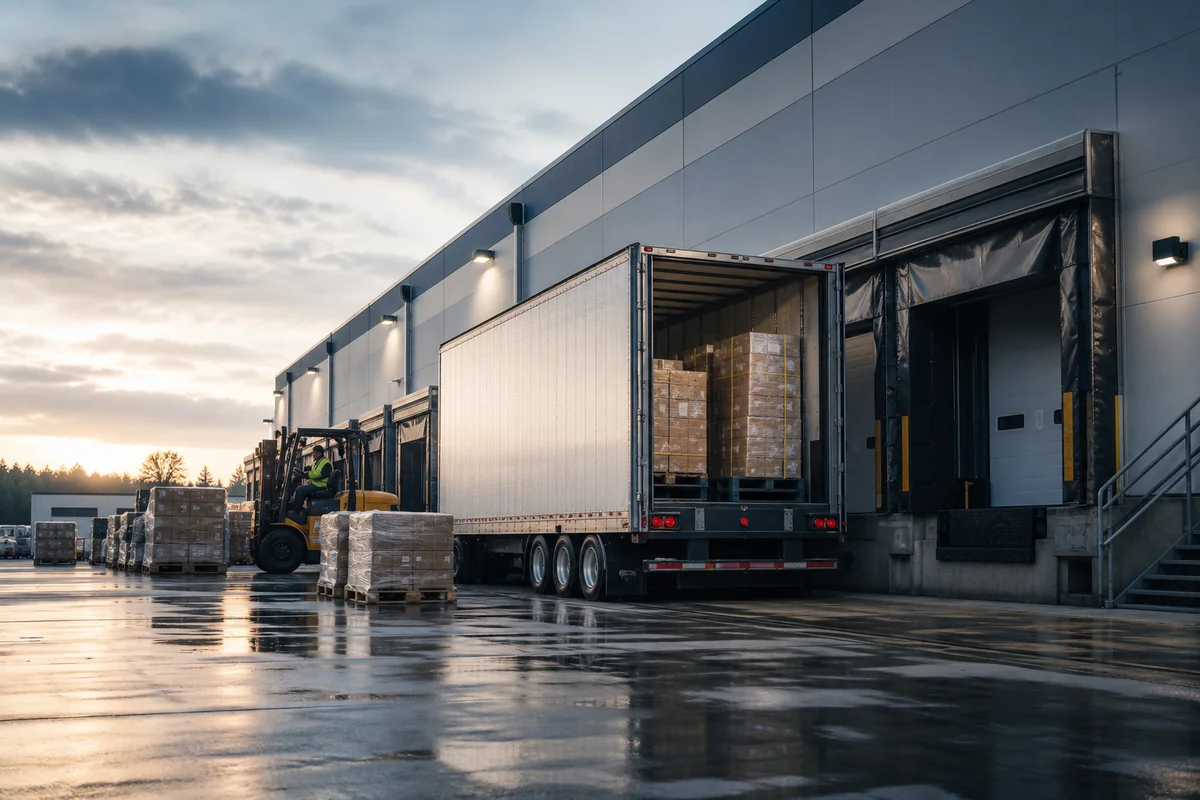
Freight Flex coordinates Flatbed, Heavy Haul and Over-Dimensional (OD) capacity for cotton, energy and wind component freight, Full Truckload (FTL) and Less Than Truckload (LTL) coverage across the South Plains, Temperature-Controlled capacity for food processing and Expedited equipment when a schedule tightens. Carrier compliance tools and an agent success team available 24/7 support the move.