What moves through Texas
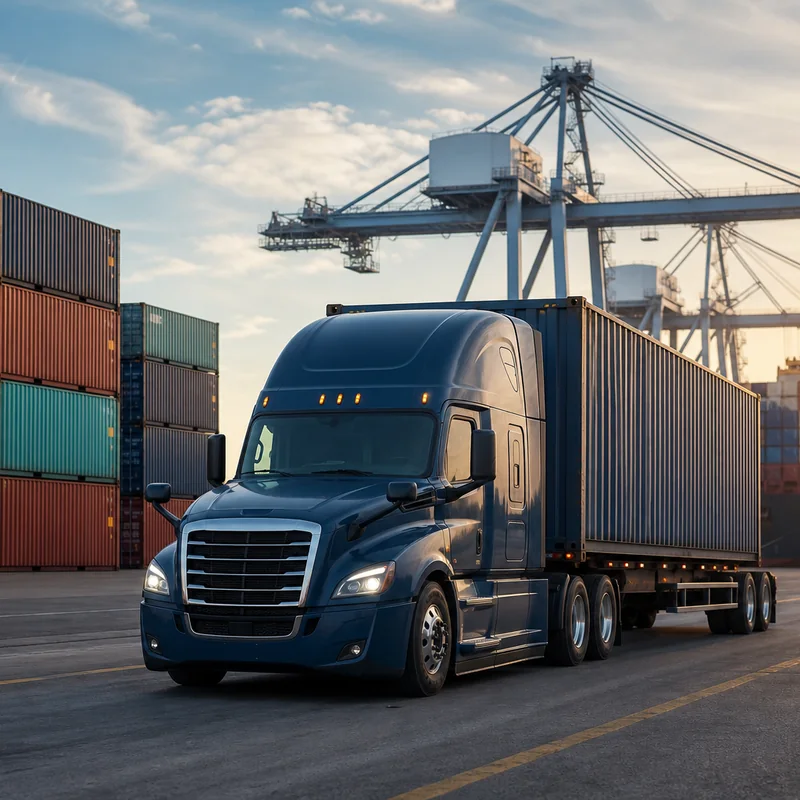
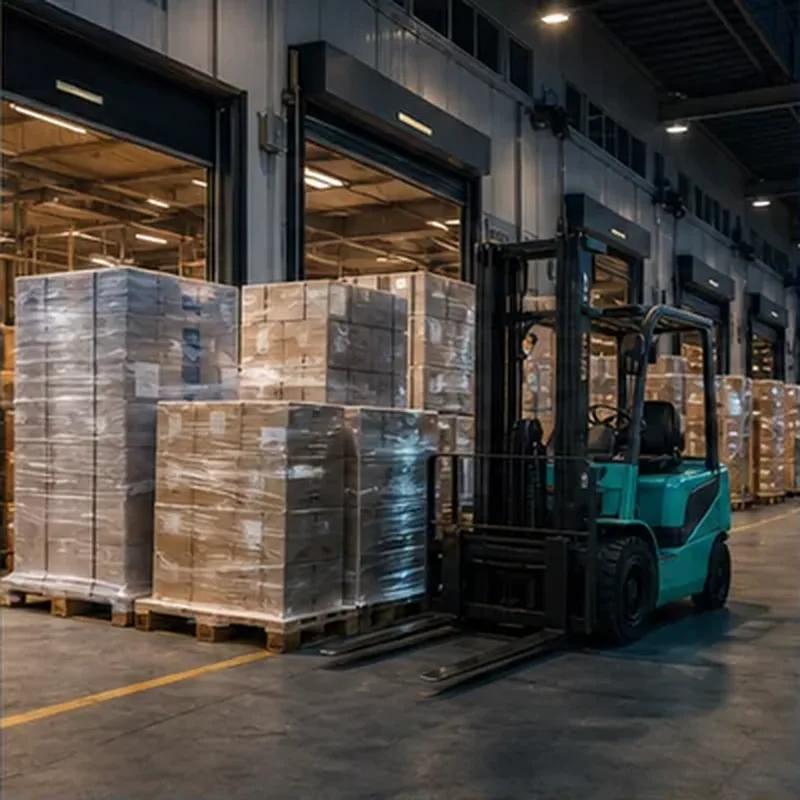
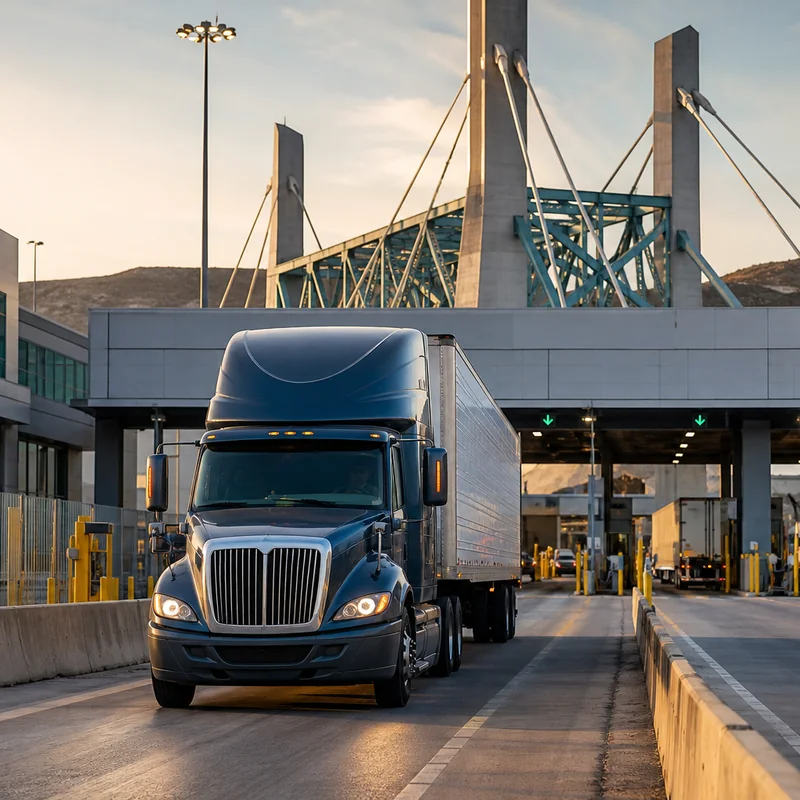
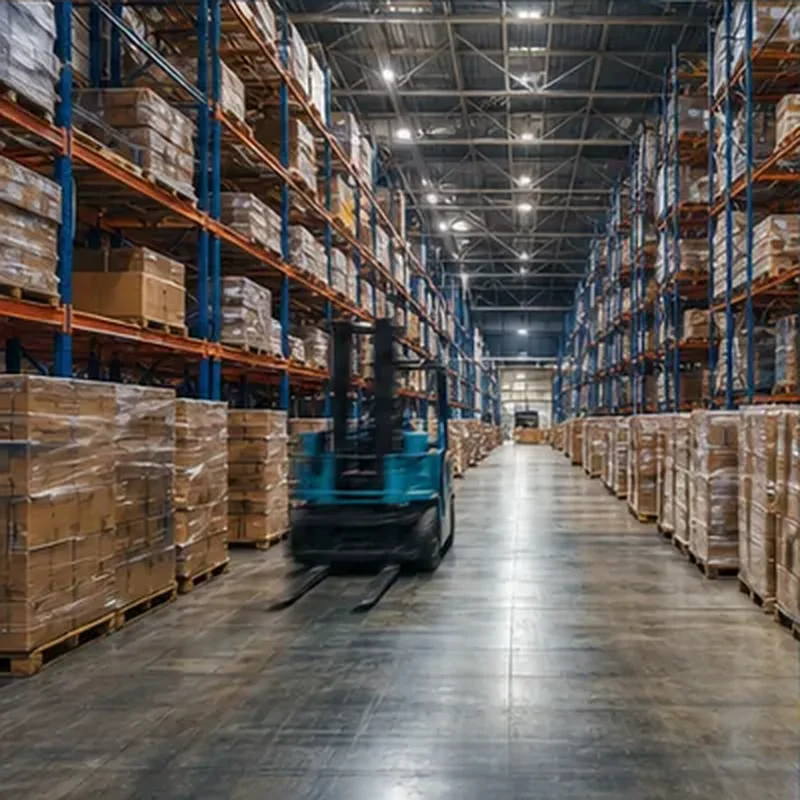
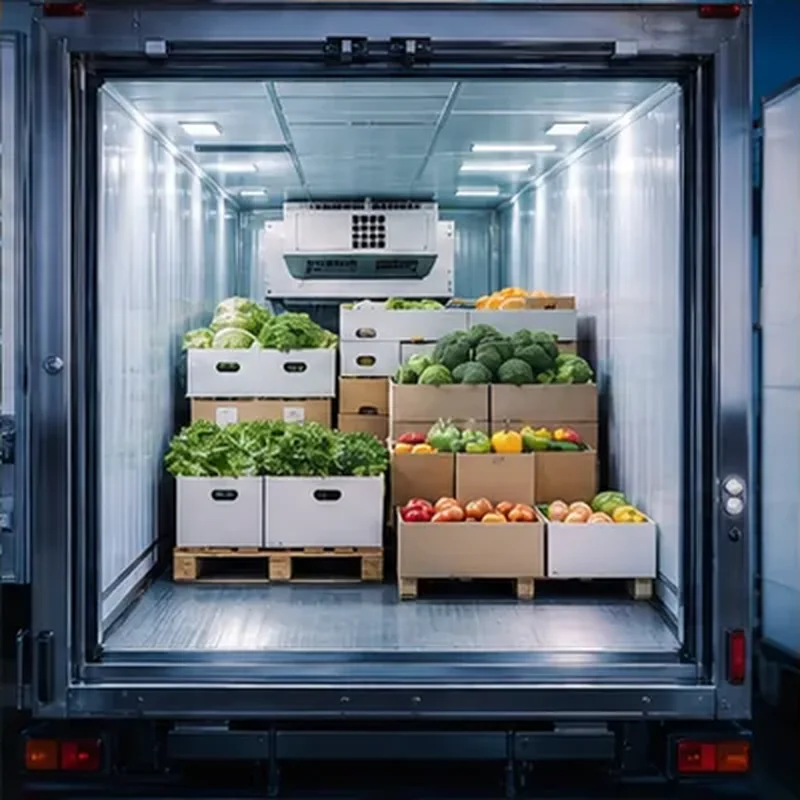
Texas freight is North American trade at full scale. The border gateways at Laredo, El Paso and the Rio Grande Valley carry the continent's largest cross-border flows, moving automotive components, manufactured goods and northbound produce between the US and Mexico. The Gulf ports around Houston handle containers, project cargo and the enormous inbound and outbound flows of the petrochemical corridor, while the Dallas-Fort Worth metroplex operates as one of the country's premier inland distribution markets.
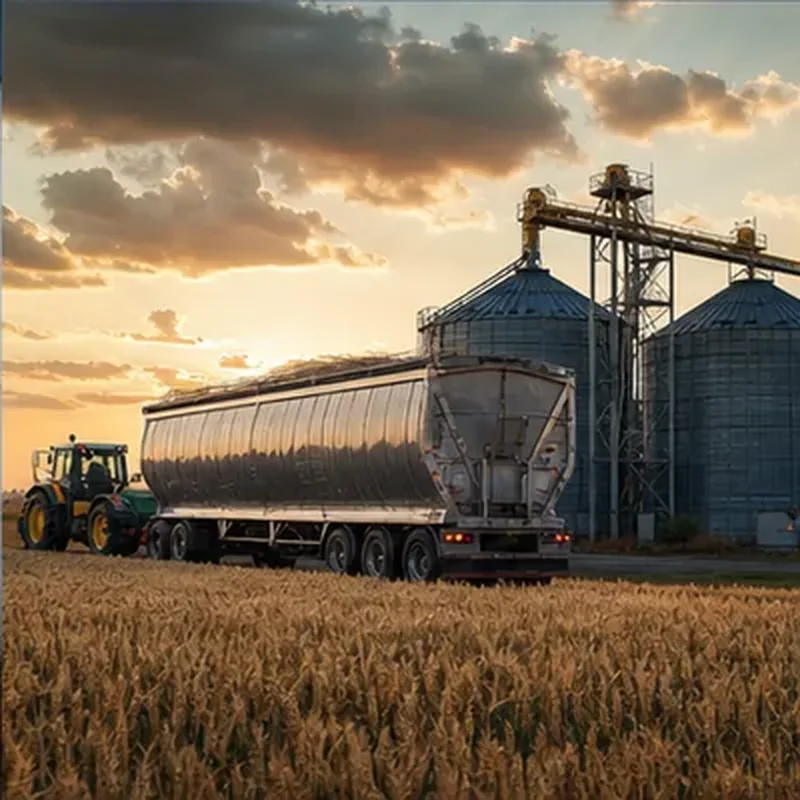
Between those anchors runs everything else, meaning energy equipment moving to the Permian Basin and Eagle Ford, building materials feeding the fastest-growing construction markets in the country, agriculture from the Panhandle and the Valley, and the manufacturing output of a state that would rank among the world's largest economies on its own.
The corridors that carry it
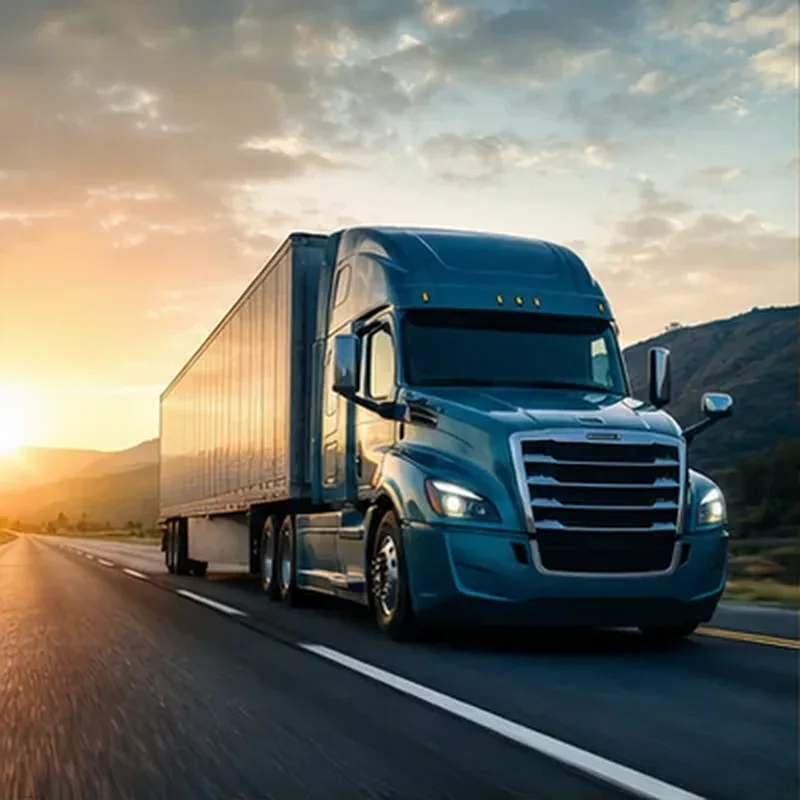
The Texas triangle of I-35, I-45 and I-10 connects Dallas-Fort Worth, Houston, San Antonio and Austin into a freight network with constant density in every direction. I-35 doubles as the NAFTA corridor running border freight north from Laredo, I-10 carries east-west transcontinental flows through El Paso and Houston, and I-20 links the metroplex to the Permian and points east. Capacity is deep on these lanes, but so is competition for it, and surges around produce season, energy activity and retail peaks tighten the market fast.
Freight Flex in Texas
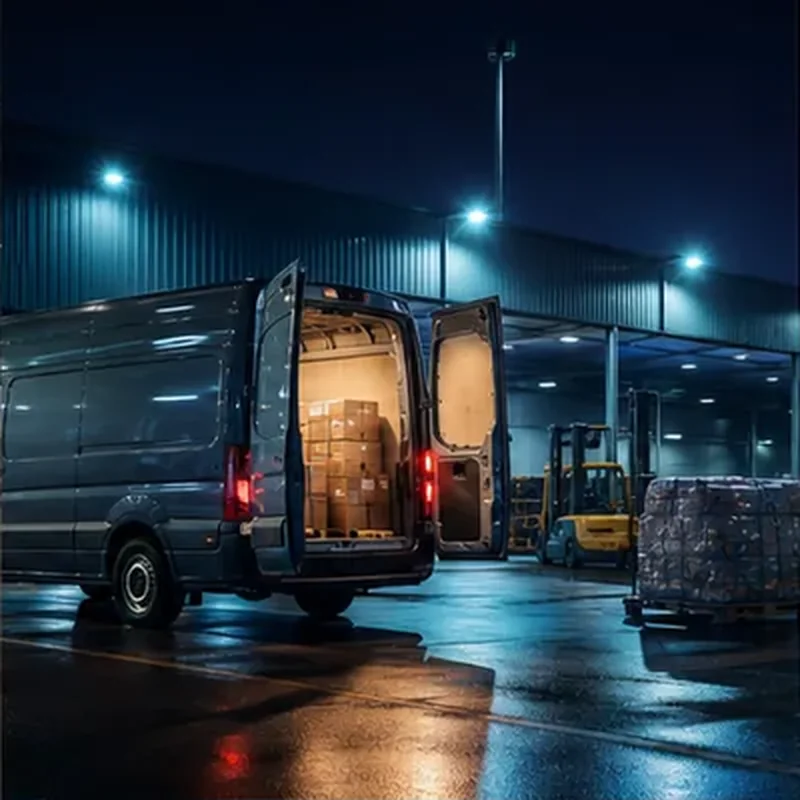
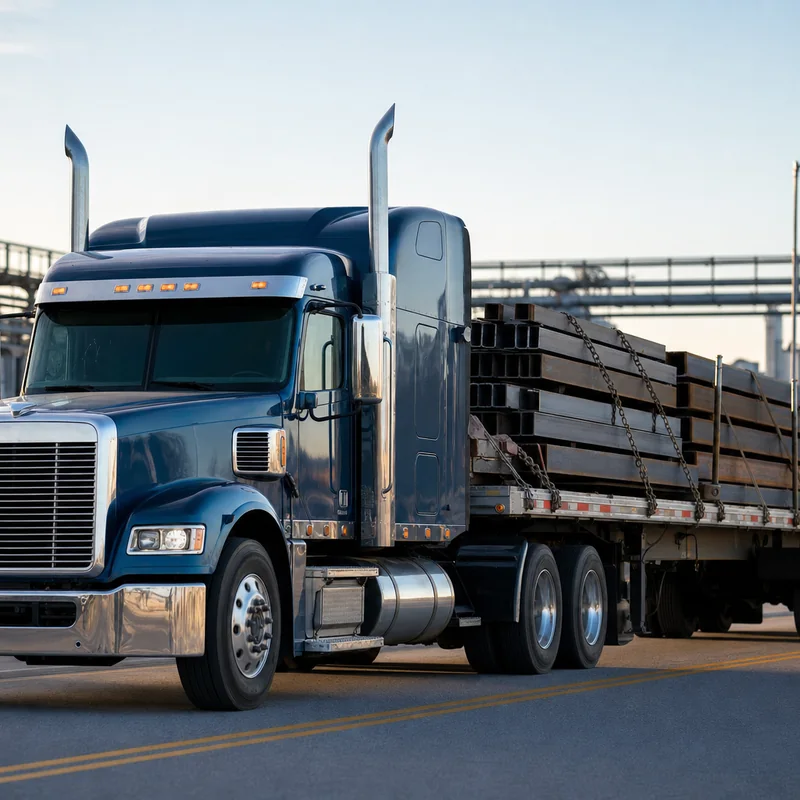
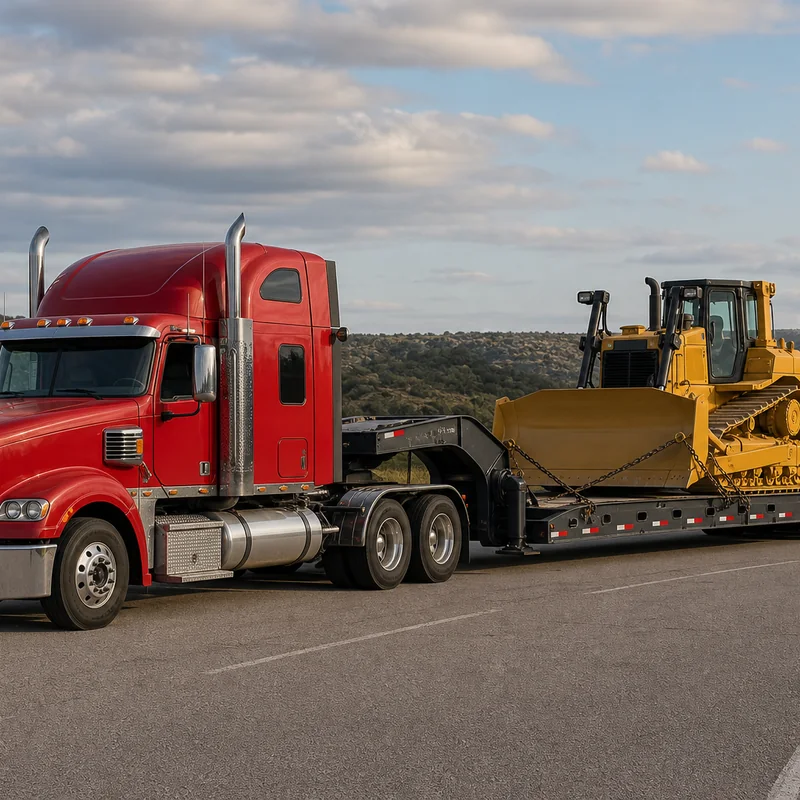
Texas is home ground. Freight Flex coordinates Full Truckload (FTL) and Less Than Truckload (LTL) freight across every Texas lane, Cross-Border programs through the Laredo and El Paso gateways with bilingual support, Drayage at the Gulf ports, Flatbed and Heavy Haul capacity for energy and construction freight, and Expedited equipment when a Texas deadline tightens. Carrier compliance tools support these lanes, with an agent success team available 24/7.