What moves through Florida
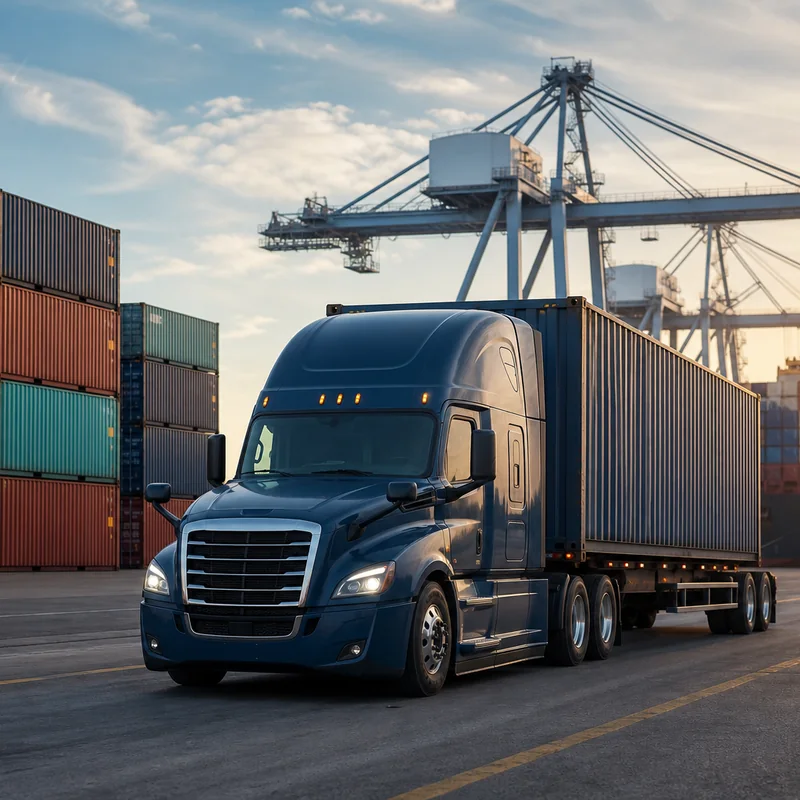
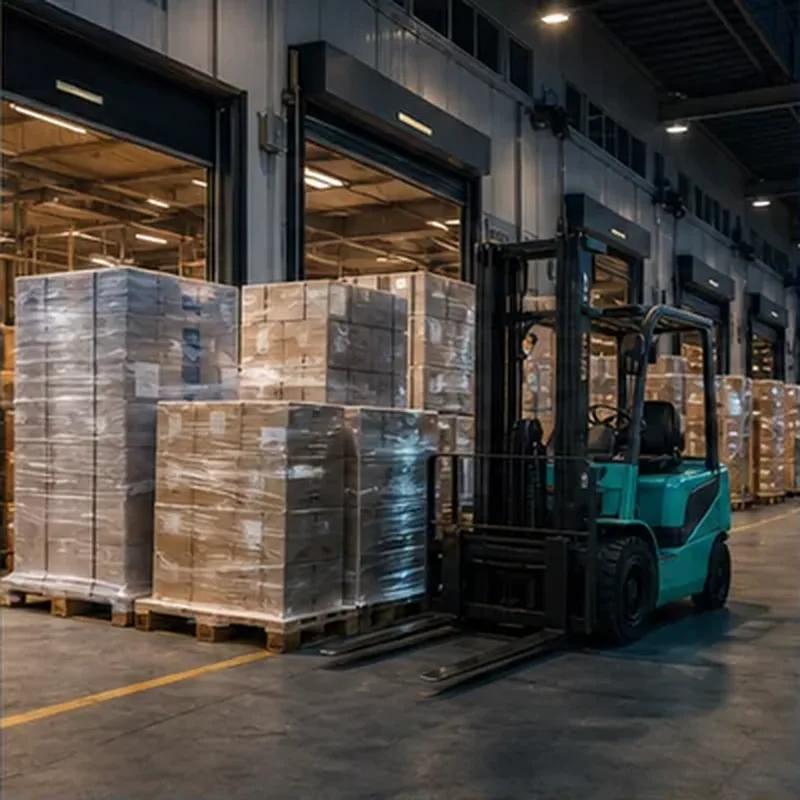
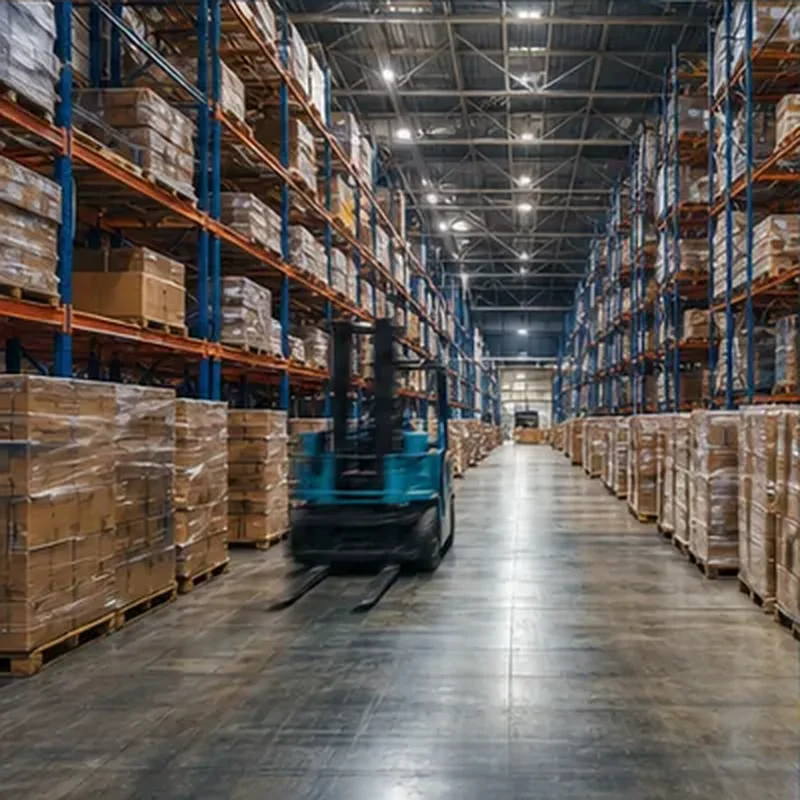
Florida freight is consumption at scale. Retail, ecommerce, food and consumer goods flow down the peninsula constantly to serve a large and growing population plus an enormous tourism economy. The state's ports add their own dimensions, with Miami and the southeast gateways handling Latin American and Caribbean trade plus a major perishables business, Jacksonville handling containers and vehicles, and Tampa serving the Gulf side.
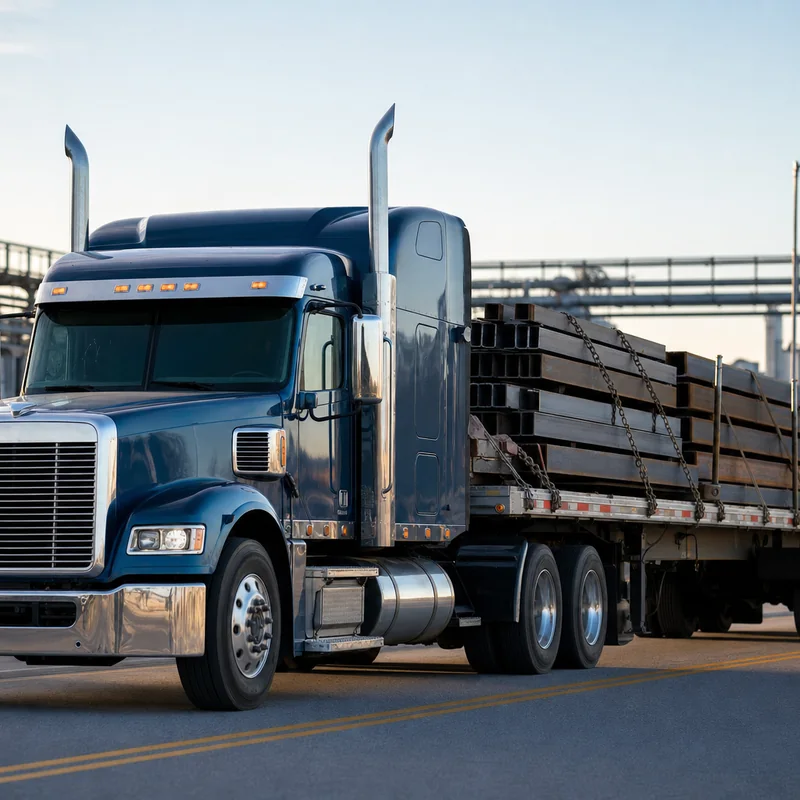
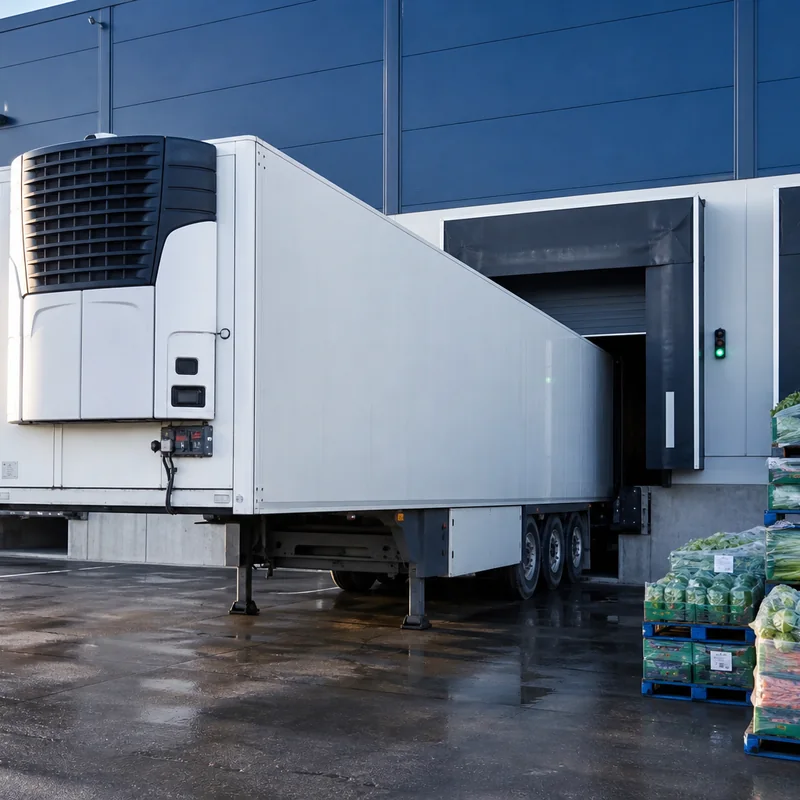
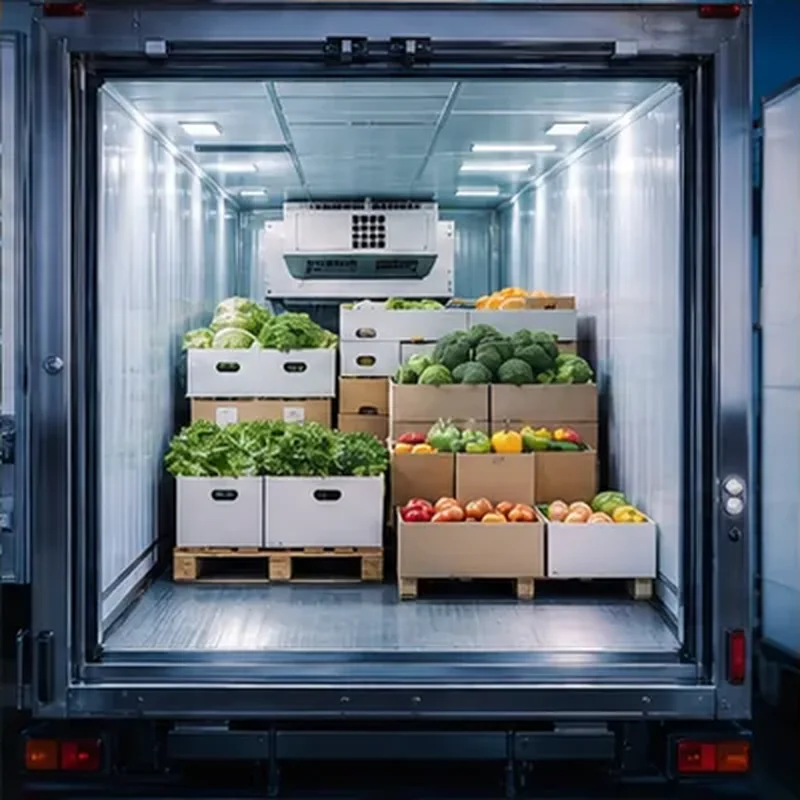
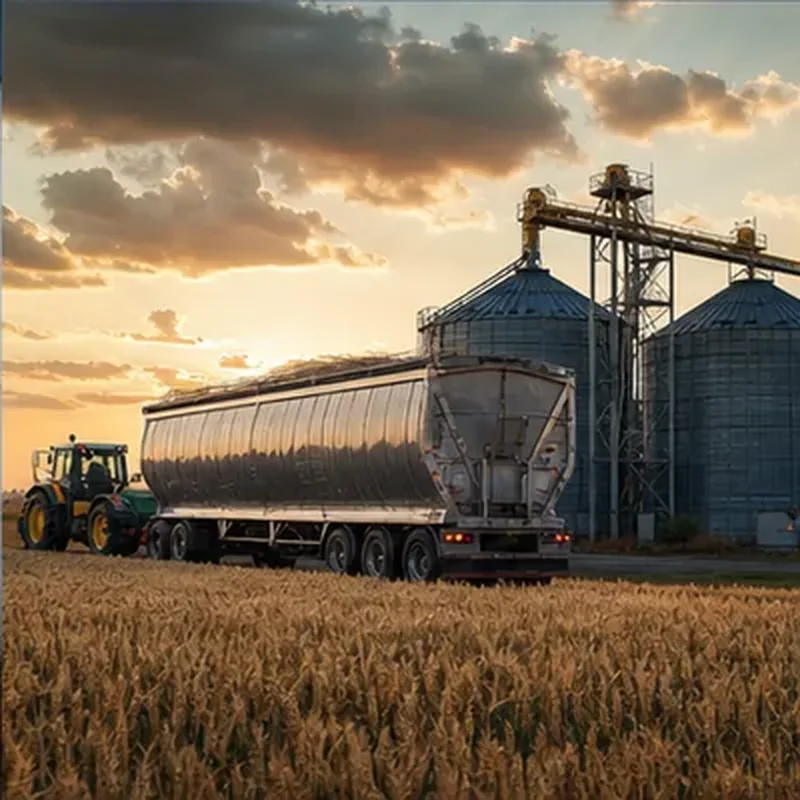
Agriculture ships the other direction, with citrus, produce and nursery products moving north on refrigerated equipment, and the state's construction economy pulls building materials constantly to serve development that has not slowed in decades.
The corridors that carry it
I-95 runs the east coast from Jacksonville to Miami, I-75 carries the west side and the interior toward Tampa and beyond, I-4 crosses the middle through Orlando and I-10 runs the panhandle west. Everything enters through the north, which makes Jacksonville the funnel and makes lane balance the state's defining economic issue.
Freight Flex in Florida
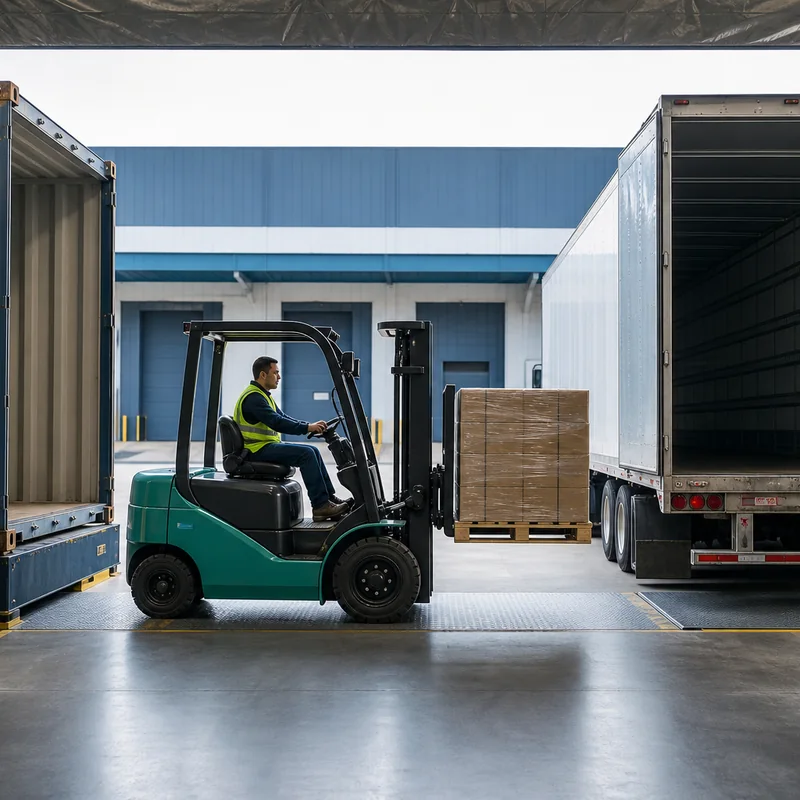
Freight Flex coordinates Full Truckload (FTL) and Less Than Truckload (LTL) freight the length of the state, Temperature-Controlled capacity for produce and the perishables gateways, Drayage and Transloading at the Florida ports, Air Freight coordination for time-critical and perishable freight and Flatbed capacity for the construction economy. Carrier compliance tools and an agent success team available 24/7 support the move.