What moves through Miami
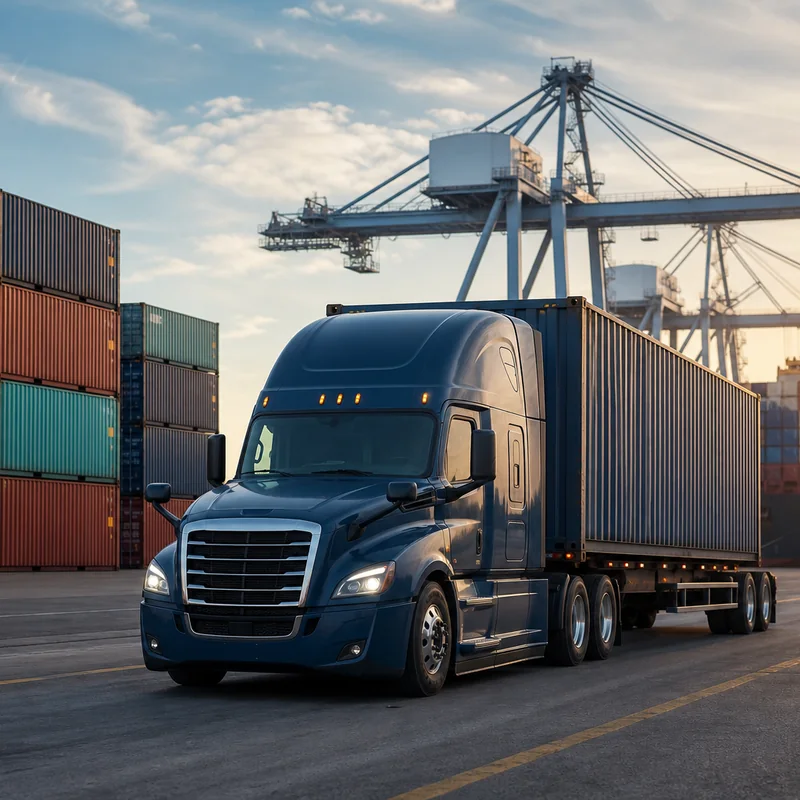
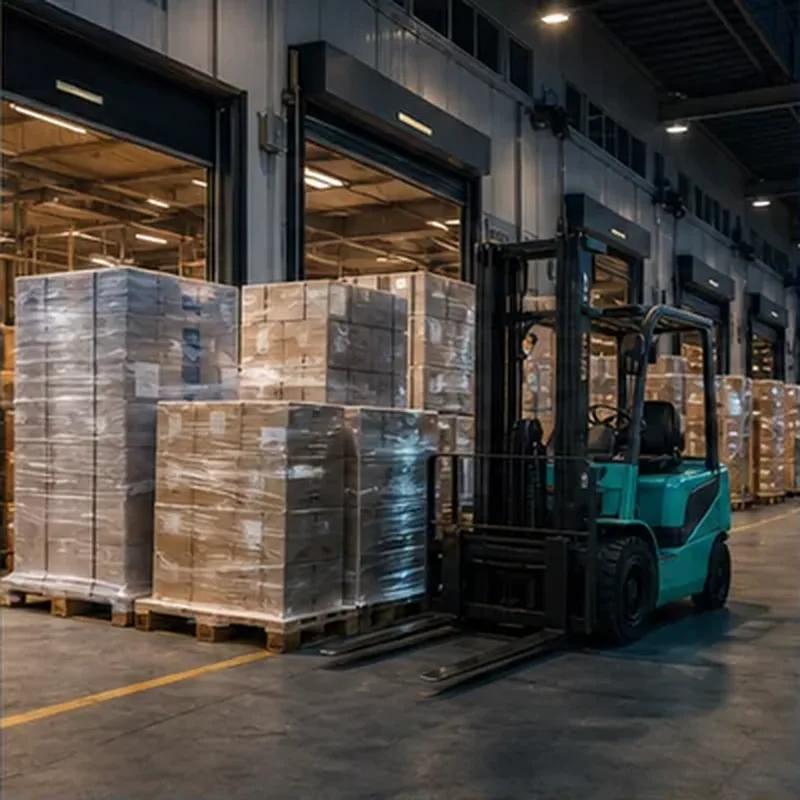
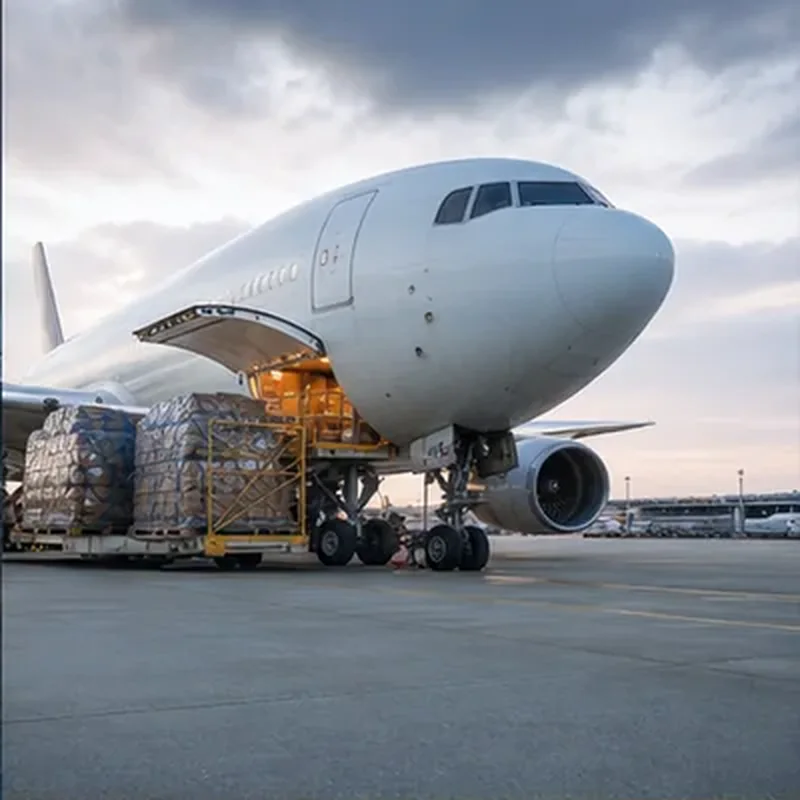
Miami's freight economy runs on hemispheric trade. The seaports land containerized imports from Latin America, the Caribbean and the world, the airport operates one of the hemisphere's great perishables gateways, with flowers, produce, seafood and pharmaceuticals landing daily on cold chains measured in hours, and the export flow runs heavy with consumer goods, machinery and food products heading south. Around the gateway, the metro runs a full distribution economy serving six million people at the end of the peninsula, with retail, food and beverage, healthcare and consumer networks all receiving at Florida pace.
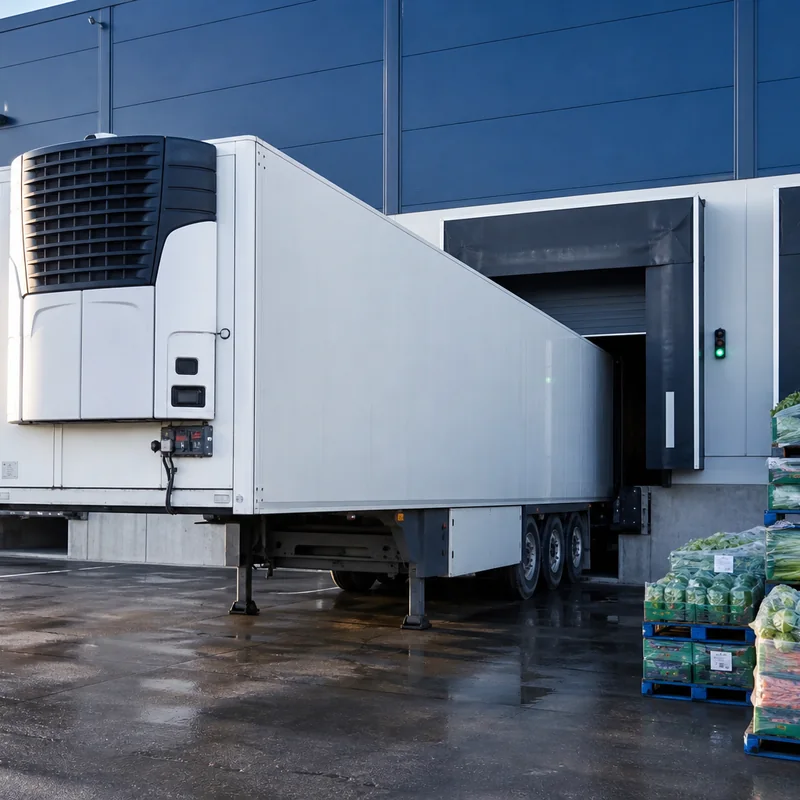
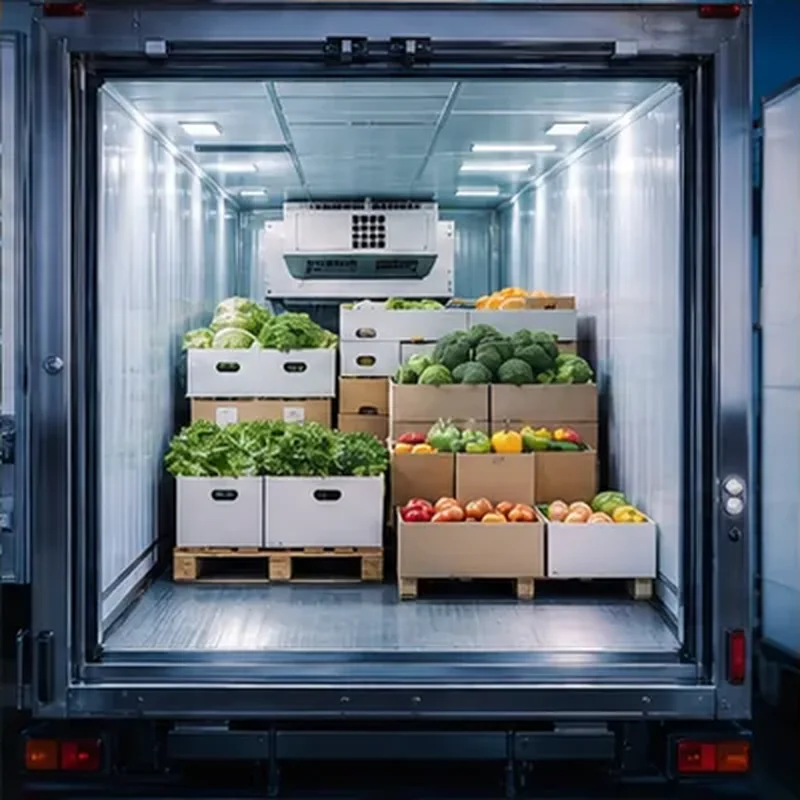
The perishables identity shapes the whole market, meaning more refrigerated freight, tighter clocks and more airport-adjacent urgency per lane than almost any American metro.
The corridors that carry it
Everything north runs the peninsula, with I-95 carrying the coastal lane and Florida's Turnpike and I-75 running the spine toward Orlando, Tampa and the Southeast beyond. Miami's geography makes it a destination market more than a crossroads, meaning freight comes down the peninsula full and planners work hard to send trucks back north the same way, and the backhaul math shapes rates on every Florida lane.
Freight Flex in Miami
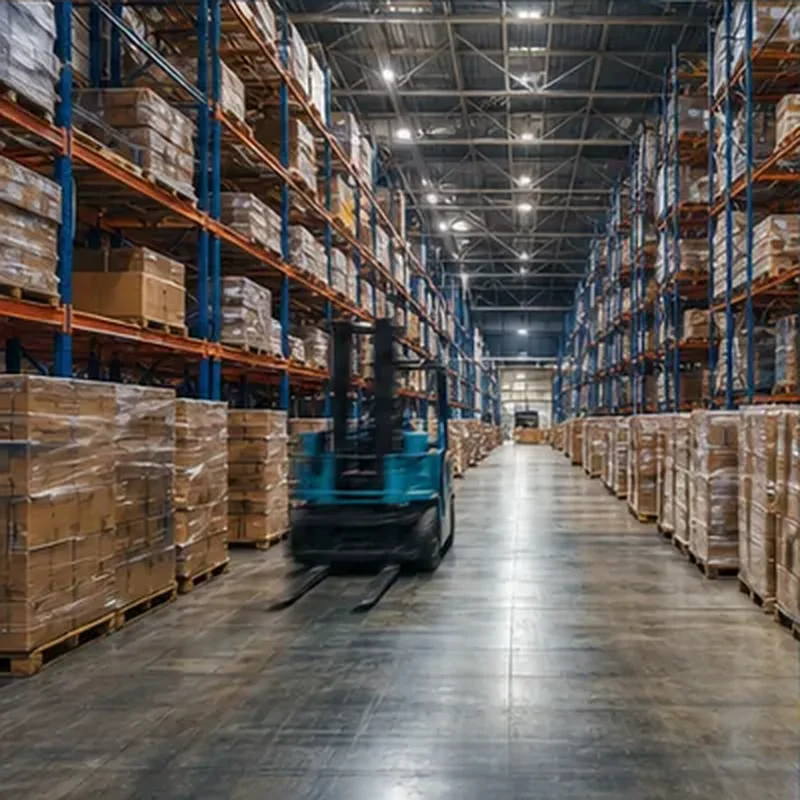
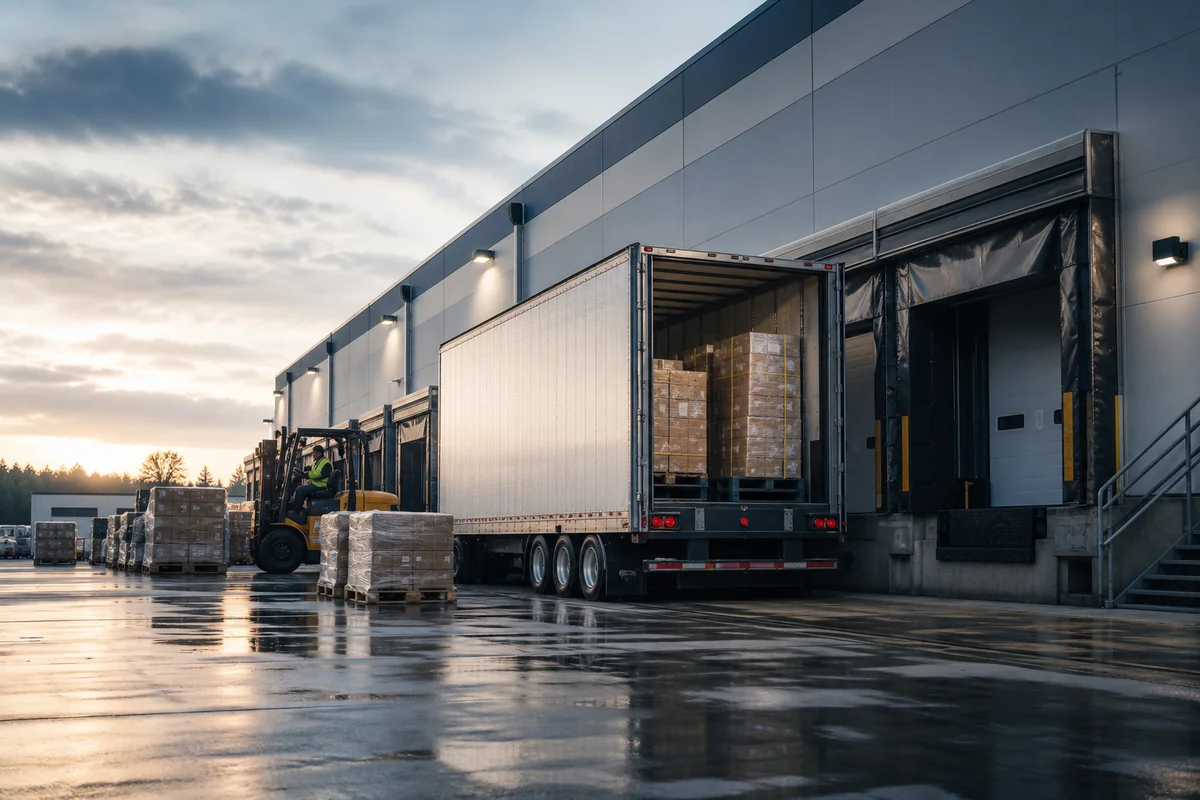
Freight Flex coordinates Drayage at the South Florida ports with interchange at every steamship line, Air Freight coordination at the airport under its TSA Certified Indirect Air Carrier status with TSA-compliant drivers, Temperature-Controlled capacity for the perishables economy, Less Than Truckload (LTL) and Full Truckload (FTL) coverage across the metro's networks and Expedited equipment for the clocks this market runs on. Carrier compliance tools and an agent success team available 24/7 support the move.