What moves through Tampa
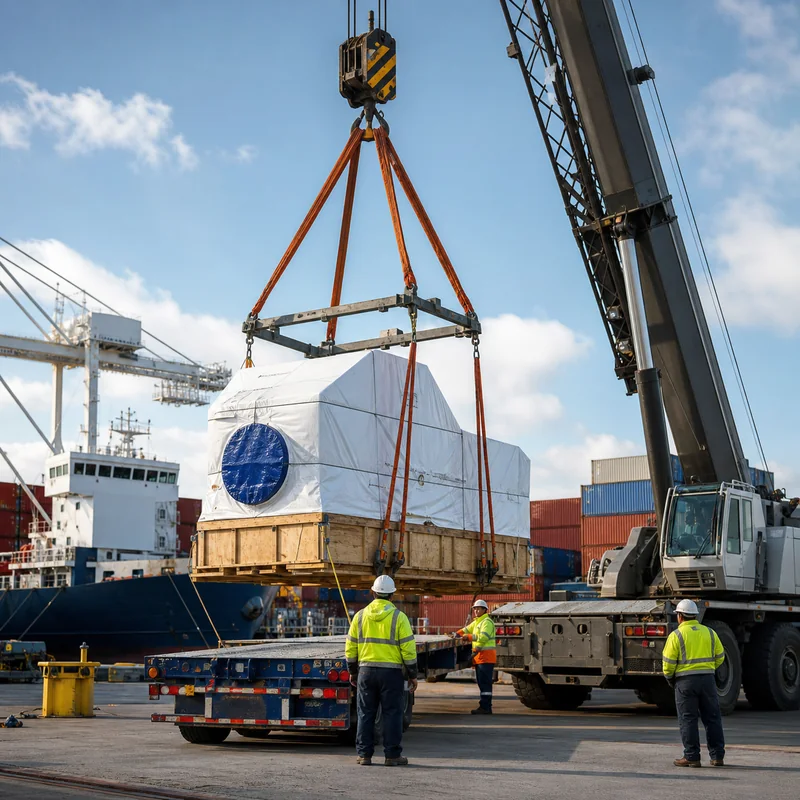
The port handles bulk, breakbulk, containers and specialty cargo, with phosphate, petroleum products, cement and construction materials moving in serious volume alongside a growing container business. That mix gives Tampa freight a distinctly industrial character compared to Florida's other markets.
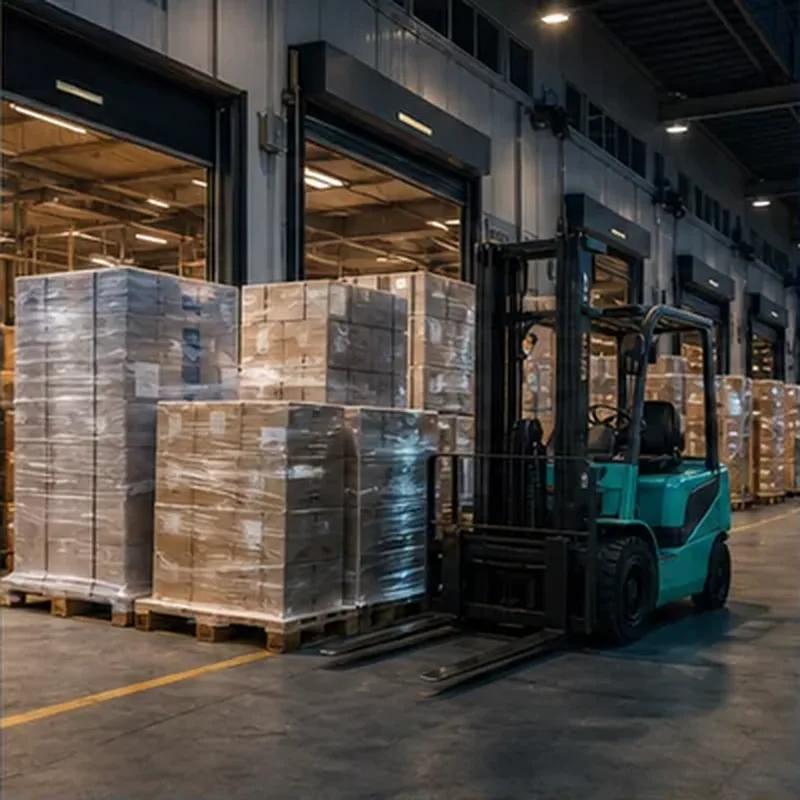
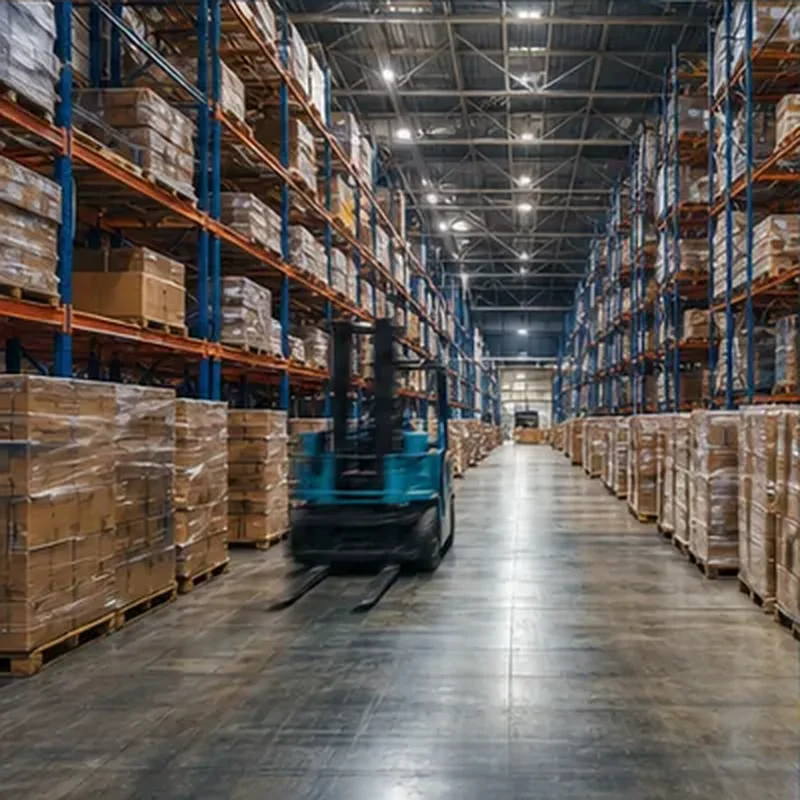
Distribution has grown fast, with retail, ecommerce and consumer goods serving the west coast population and food and beverage networks supplying a large hospitality economy. Construction materials move constantly, healthcare distribution serves a dense medical corridor and manufacturing operates across the metro.
The corridors that carry it
I-4 runs east toward Orlando and the state's interior corridor, I-75 carries the north-south lane between Naples and the Panhandle route, and I-275 crosses the bay. Tampa sits at the western end of the I-4 corridor, which functions as Florida's primary distribution spine and carries dense freight in both directions.
Freight Flex in Tampa
Freight Flex coordinates Drayage at the Tampa terminals, Flatbed and Heavy Haul capacity for construction materials and industrial freight, Full Truckload (FTL) and Less Than Truckload (LTL) coverage across the region, Temperature-Controlled capacity for food distribution and Project Cargo coordination for port and industrial moves. Carrier compliance tools and an agent success team available 24/7 support the move.