What moves through Jacksonville
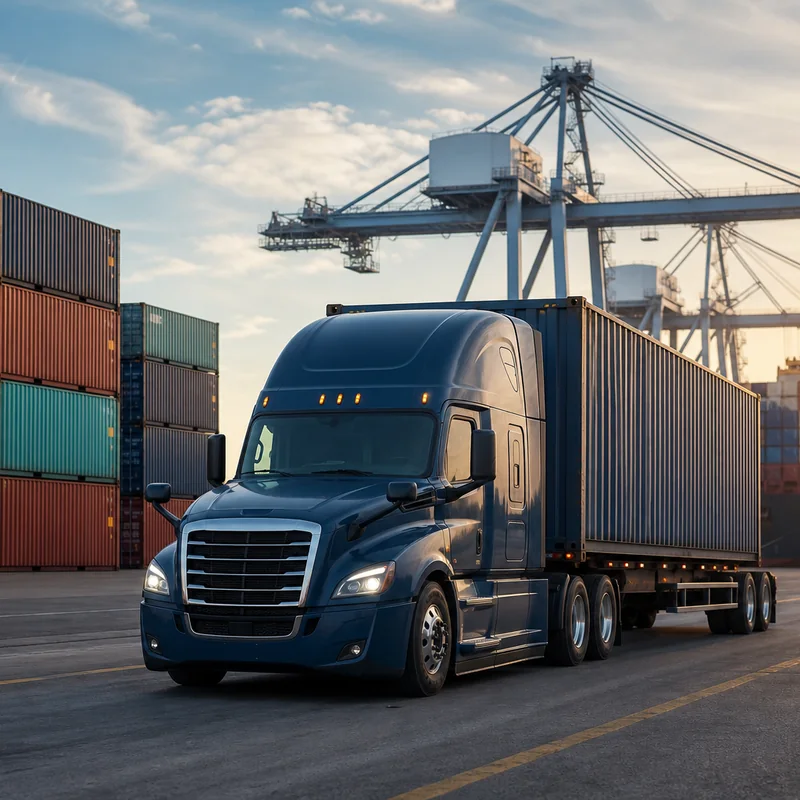
Jacksonville's port handles containers, vehicles and roll-on cargo in a mix that reflects its Caribbean and Latin American trade routes alongside transatlantic and Asian services. Vehicle imports and exports are a signature, with the terminals moving substantial automotive volume, while containerized cargo serves Florida distribution and the Southeast.
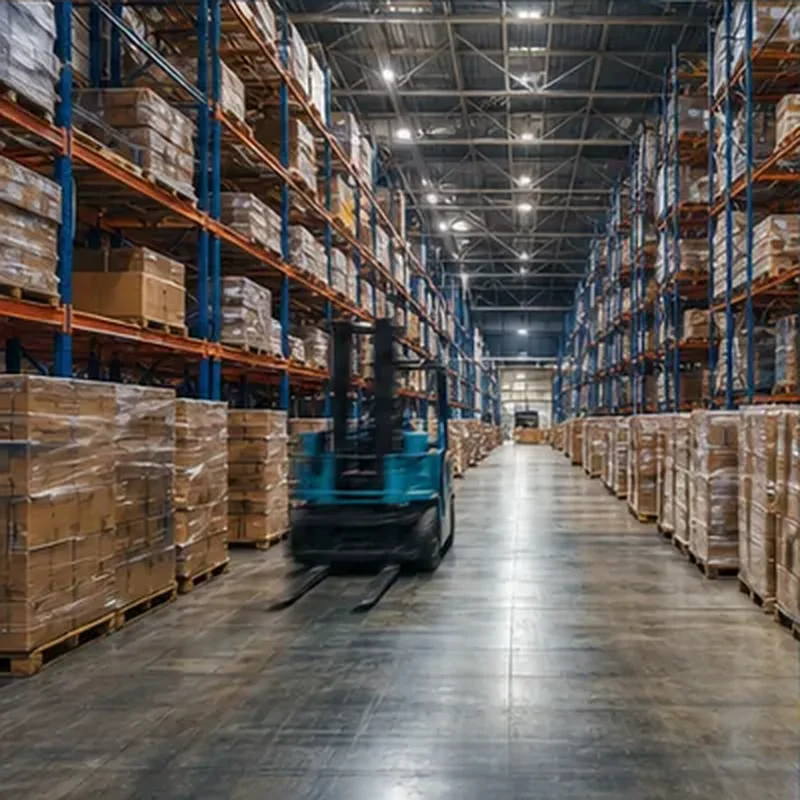
The metro's inland economy runs distribution at scale, since nearly everything consumed in Florida enters the peninsula through or past Jacksonville, making it the natural staging point for statewide replenishment. Manufacturing, building materials for constant Florida construction and food distribution round out the profile.
The corridors that carry it
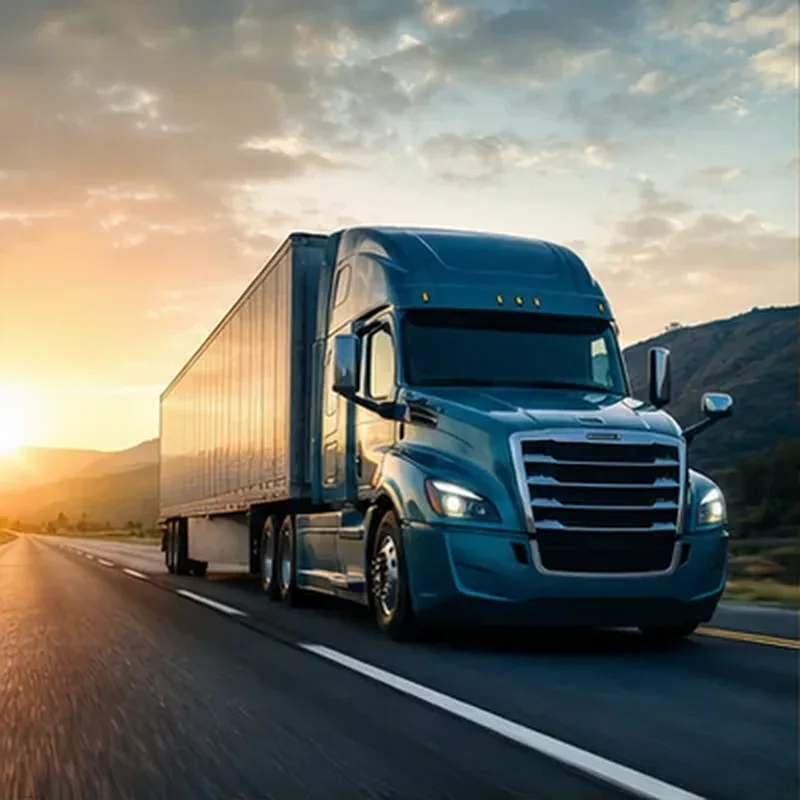
I-95 runs south down the peninsula toward Orlando, Tampa and Miami, I-10 runs west across the panhandle toward the Gulf and Texas, and I-75 is reachable west for the state's interior corridor. That intersection makes Jacksonville the funnel point for Florida freight, and it means capacity into the peninsula and back out again is the market's defining economic question.
Freight Flex in Jacksonville
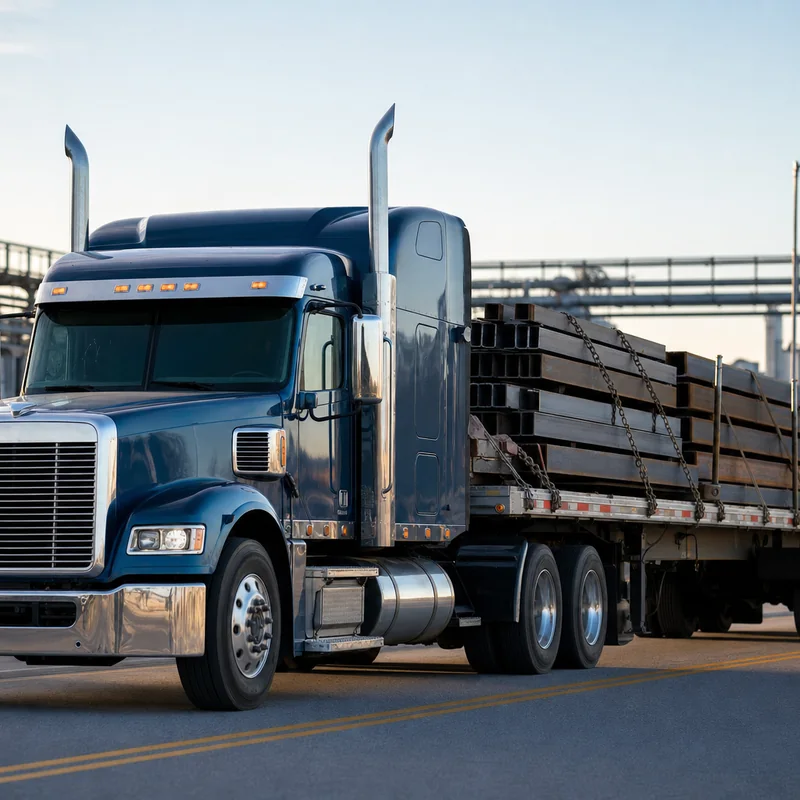
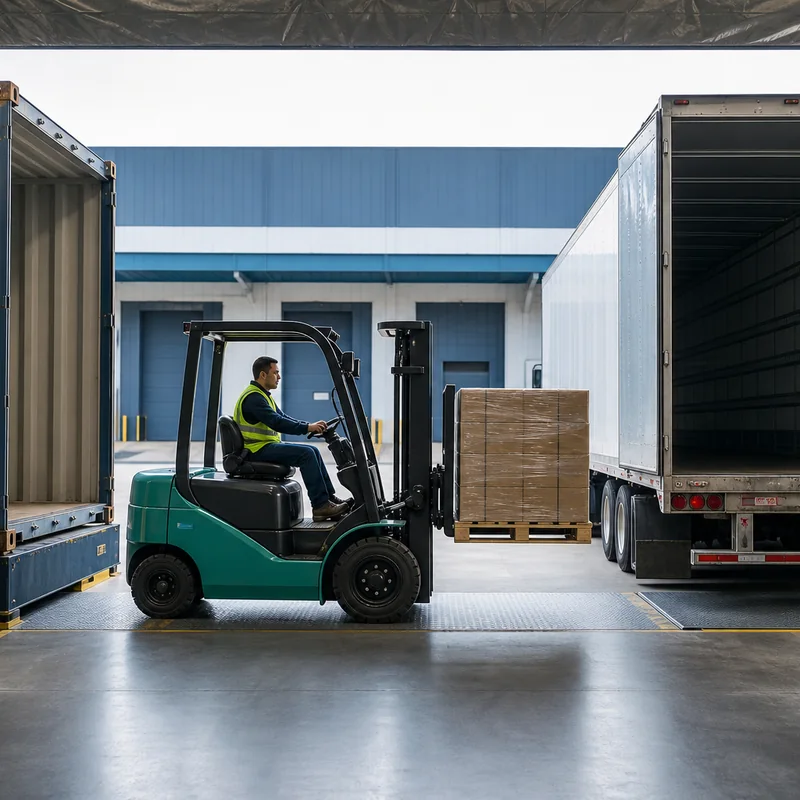
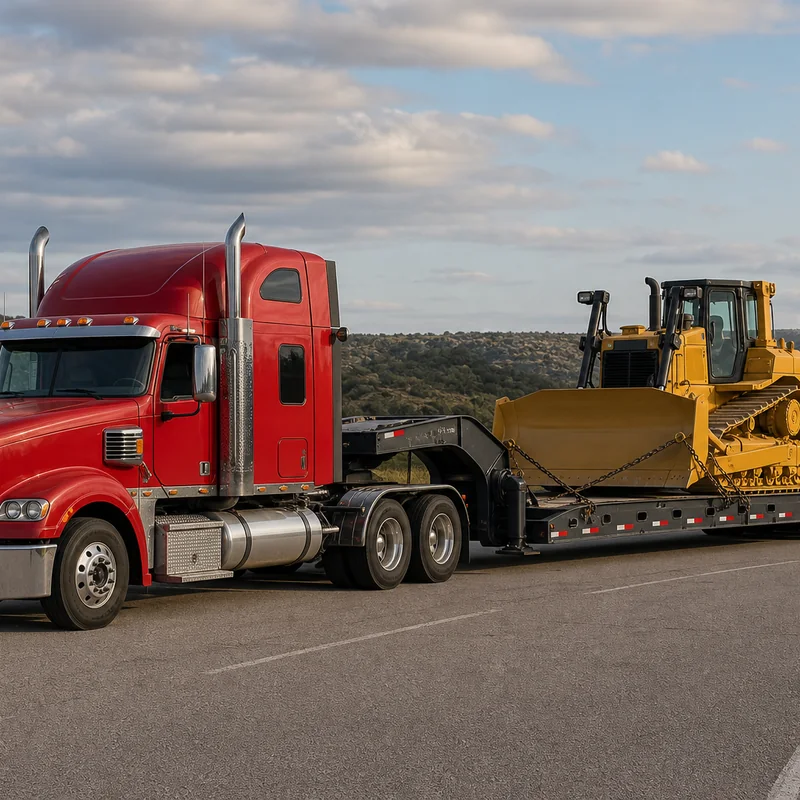
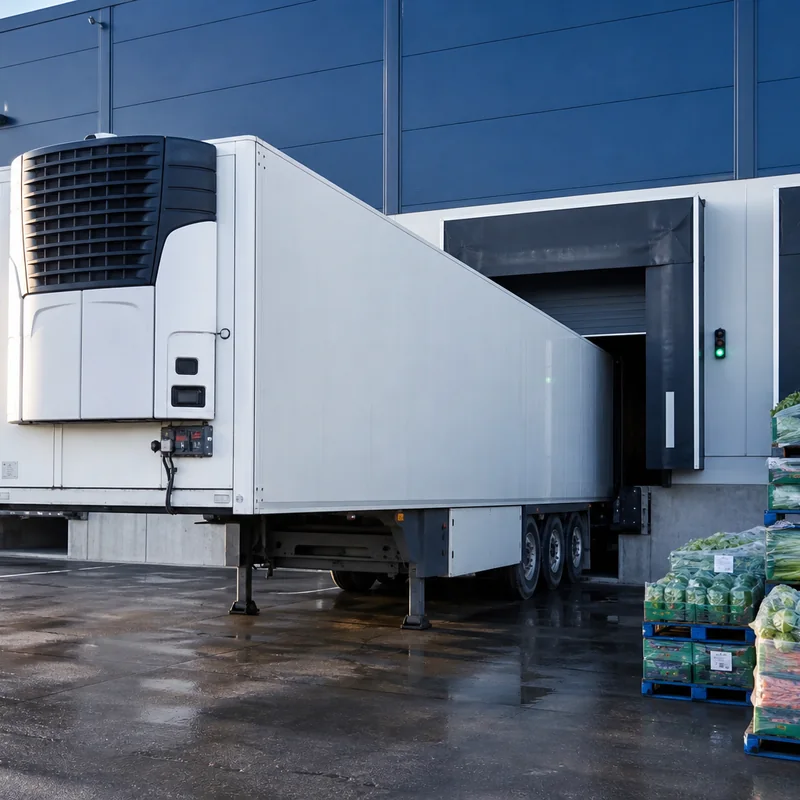
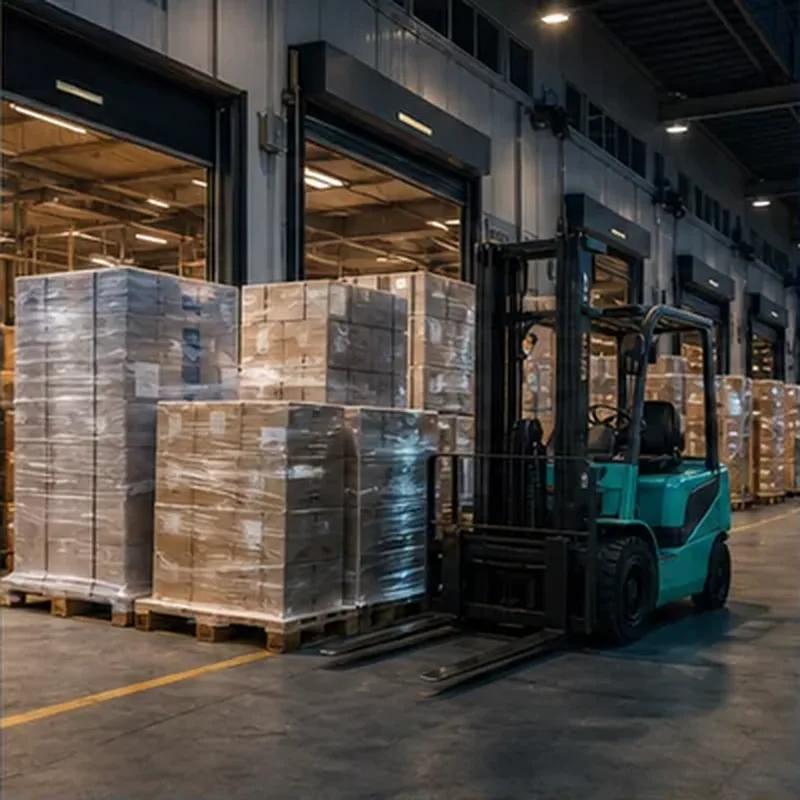
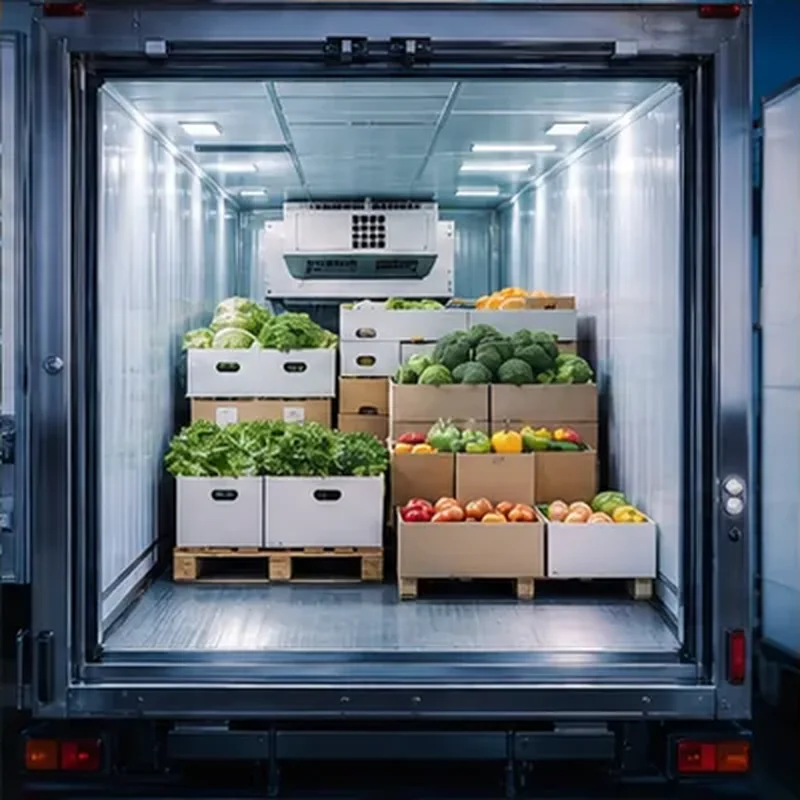
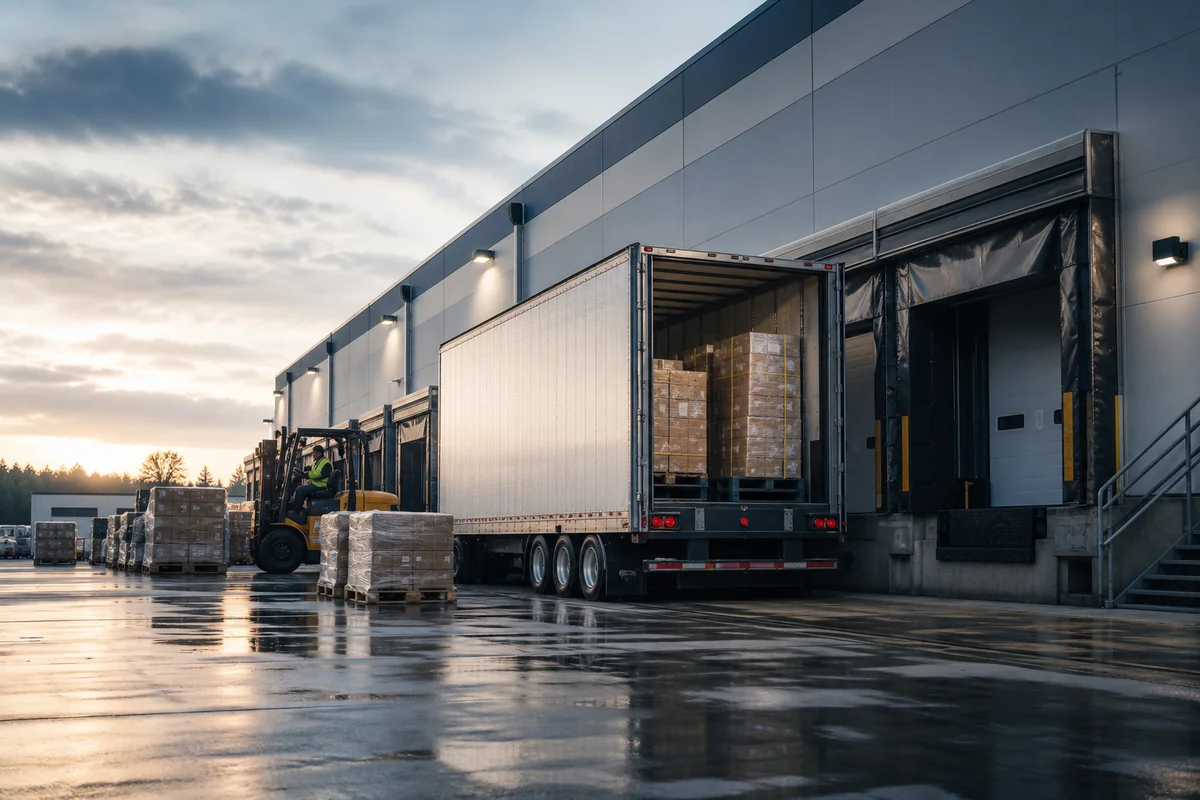
Freight Flex coordinates Drayage at the Jacksonville terminals with interchange at every steamship line, Flatbed and Heavy Haul capacity for vehicle, machinery and oversized cargo, Transloading converting boxes to Florida distribution, Full Truckload (FTL) and Less Than Truckload (LTL) coverage down the peninsula and Temperature-Controlled capacity for the food economy. Carrier compliance tools and an agent success team available 24/7 support the move.