South Carolina

South Carolina Freight

South Carolina builds cars, tires and aircraft, then ships them out through its own deep-water port. Freight Flex coordinates South Carolina freight from the Upstate plants to the Charleston terminals, with vetted carriers on every lane.

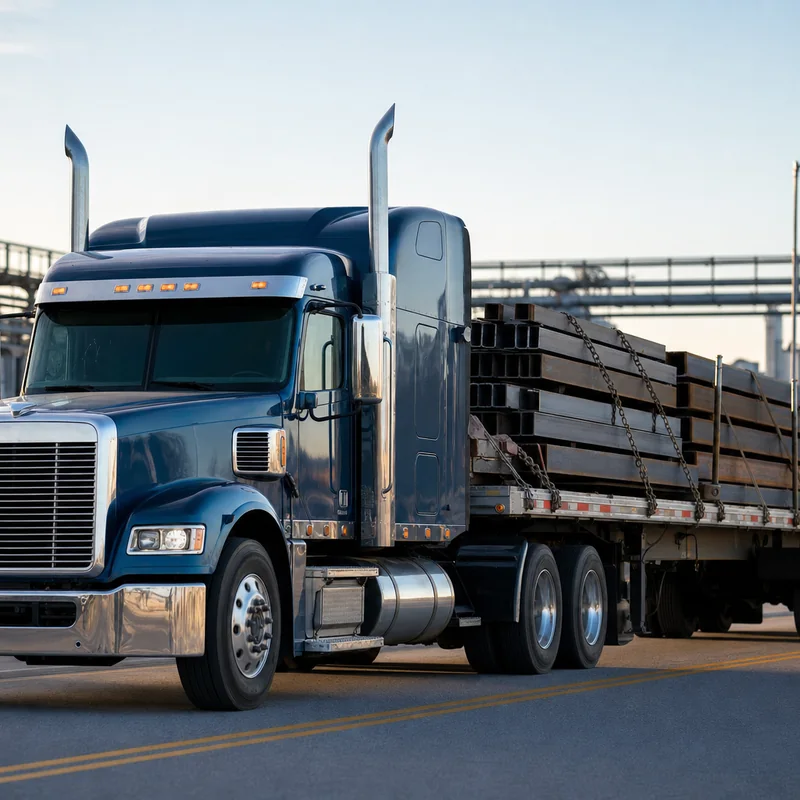
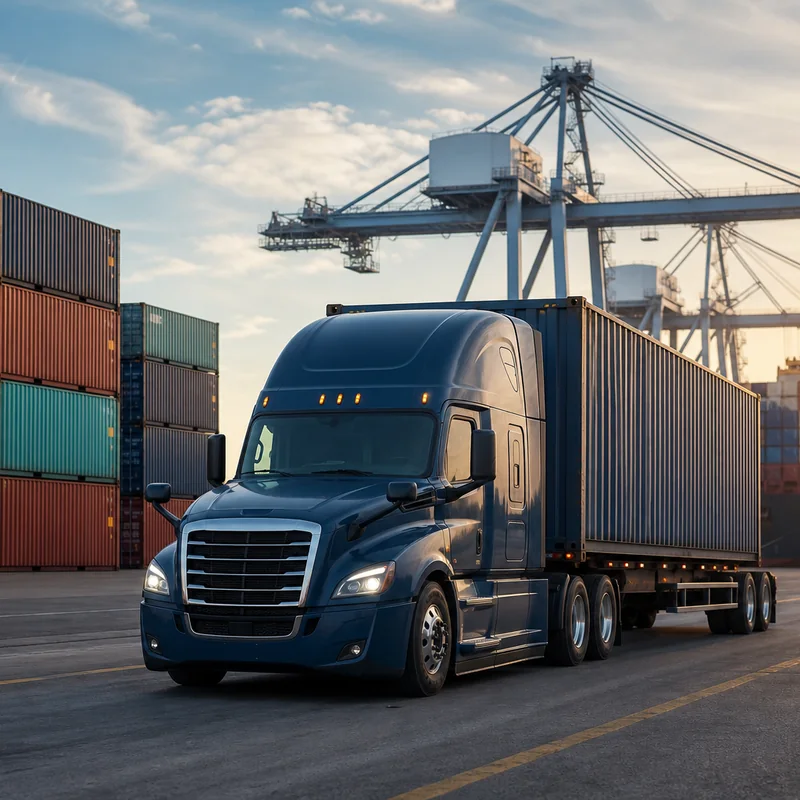
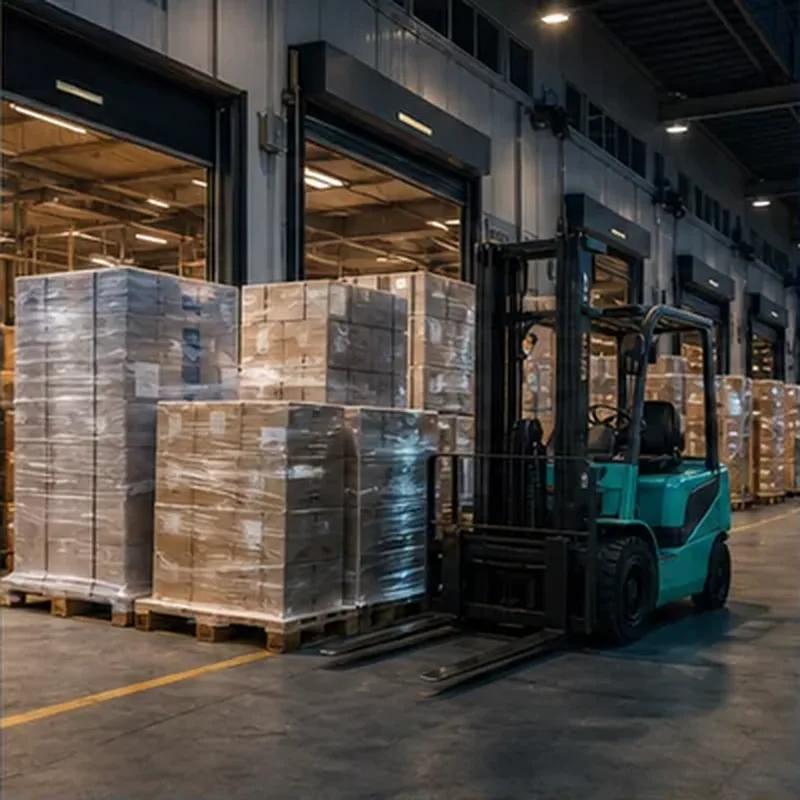
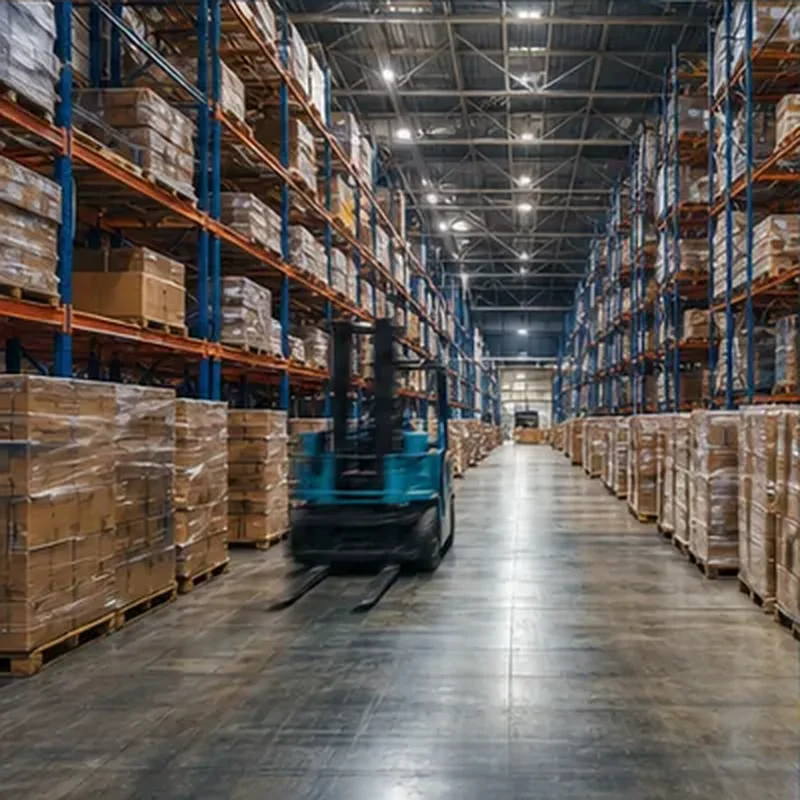
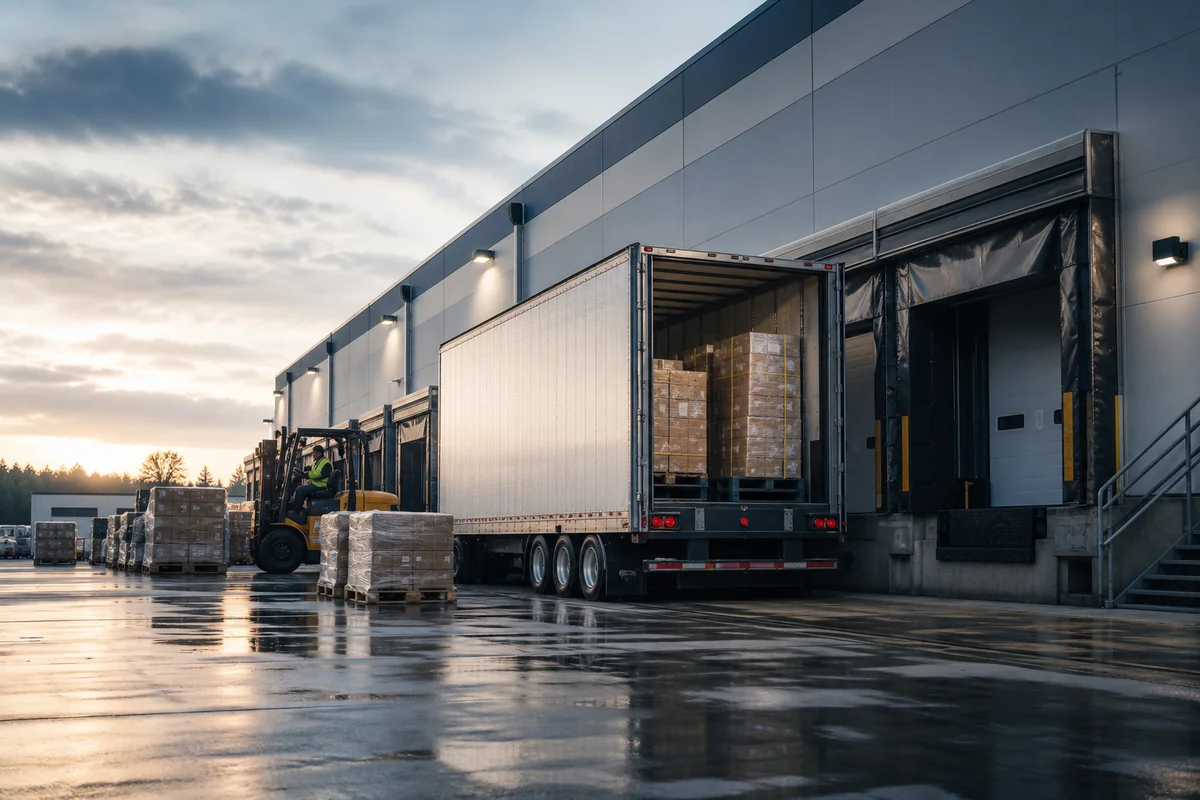
Manufacturing plants and port freight corridors across South Carolina
The South Carolina Market

Freight coordination from the Upstate to the coast. Plants, ports and the I-85 belt.

South Carolina pairs one of the Southeast's strongest manufacturing bases with a deep-water gateway at Charleston, connected by an interstate corridor that has drawn investment for decades. Freight Flex coordinates freight across the whole state.

What moves through South Carolina

Manufacturing defines the state's outbound freight. Automotive assembly, tire production, aerospace and advanced manufacturing operate across the Upstate and the Midlands, shipping finished goods and components in serious volume, much of it destined for export through Charleston. The inbound side brings components, raw materials and the import inventory that supplies both plants and regional distribution.

Beyond the plants, the state ships forest products and building materials, agriculture from the coastal plain and food processing output, while distribution has grown along the corridors to serve a fast-growing population.

The corridors that carry it

I-85 runs the Piedmont industrial corridor through the Upstate toward Charlotte and Atlanta, I-26 connects Columbia and the Upstate to Charleston, I-95 carries coastal north-south traffic and I-77 links Columbia to Charlotte. The plant-to-port geometry along I-26 is the state's defining freight relationship.

Freight Flex in South Carolina

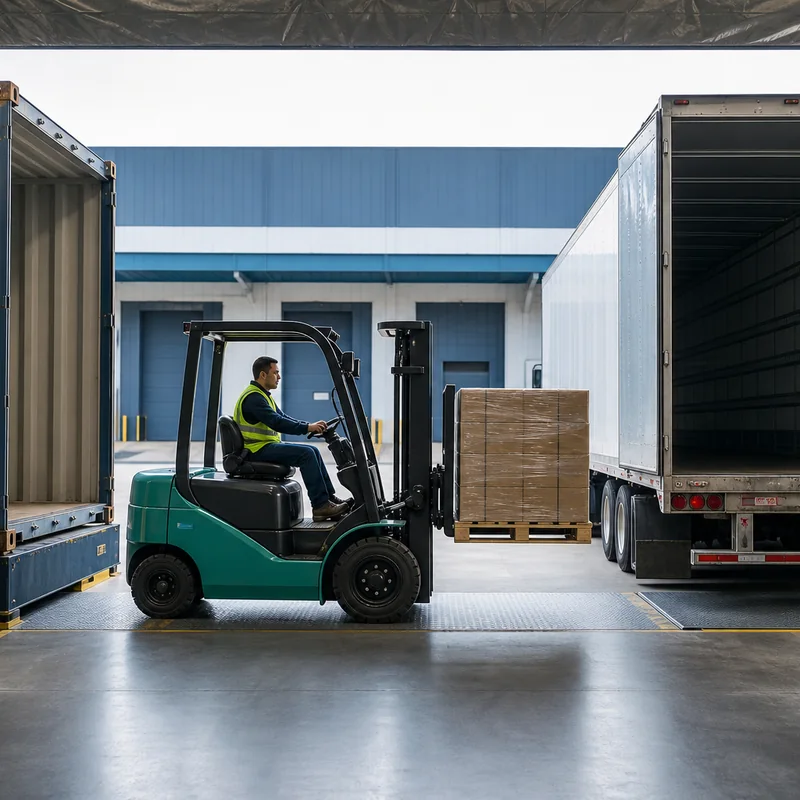
Freight Flex coordinates Drayage at the Charleston terminals with interchange at every steamship line, Full Truckload (FTL) on the plant-to-port and corridor lanes, Flatbed and Heavy Haul capacity for manufacturing freight, Transloading converting import boxes for regional distribution, Expedited equipment for production urgency and Less Than Truckload (LTL) coverage statewide. Carrier compliance tools and an agent success team available 24/7 support the move.

Plant to Port, Sequenced

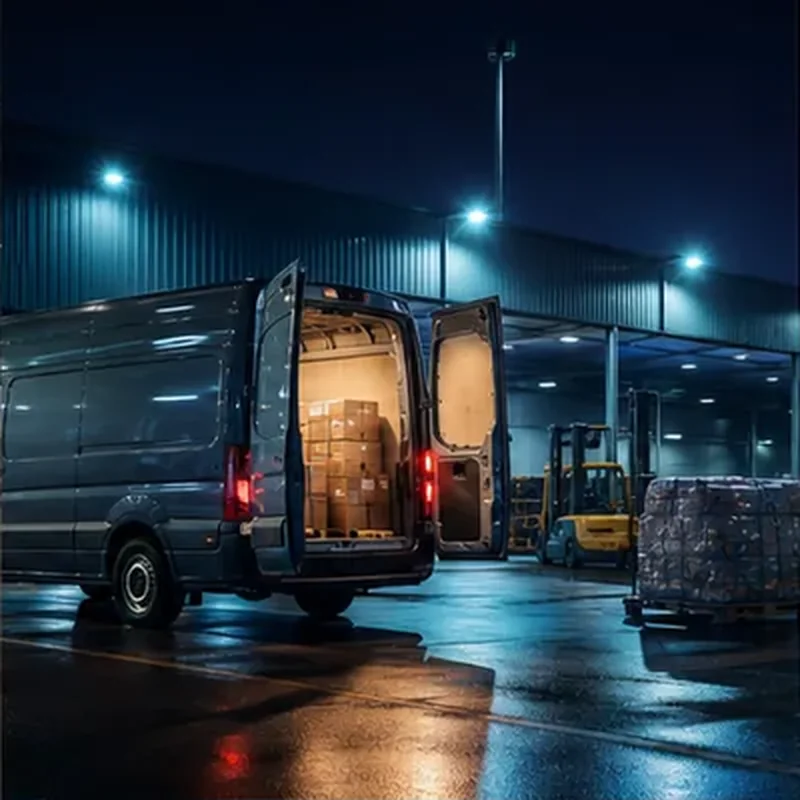
Export freight moves with the inland leg, terminal appointment and vessel cutoff planned together, because a missed sailing costs more than the freight ever will.

Built for Carolina Manufacturing

Components on standing lanes, machinery on open decks with securement matched to the commodity and expedited recovery priced before a line is at risk.

Compliance on Every Lane

Carrier compliance tools support shipment security, backed by an agent success team available 24/7. Corridor volume never lowers the bar.

The Freight Flex promise

Your plants and your sailings both hold. Build With Flex.

For every shipper moving South Carolina freight, Freight Flex commits to sequencing export freight against vessel cutoffs, planning imports before the vessel berths and protecting production schedules with recovery options priced in advance. Manufacturing freight gets the right equipment, hurricane season gets coastal contingency and one team covers the plant, the corridor and the port.

0+
Shipments Coordinated
#0
Inc. 5000 Fastest-Growing Private Companies
0
States of Nationwide Coverage
0+
Freight Flex Offices
Operating standards

South Carolina freight standards. Vetted. Verified. Visible.

Freight Flex combines carrier compliance tools with an agent success team available 24/7 to help reduce cargo theft, fraud and claims and support shipment visibility. These standards ride on every South Carolina load we arrange.

  • Only work with Highway verified Motor Carriers.
  • 1+ year active authority required.
  • Satisfactory or Unrated FMCSA safety rating required.
  • $1M Auto Liability + $100K Cargo Insurance required.
  • VIN verified on every shipment through Highway Load Lock.
  • Supplemental cargo insurance available up to $2,000,000 per shipment, beyond standard carrier coverage.
Freight services

The services South Carolina freight uses most. Plant and port.

South Carolina freight runs plant to port and back. Drayage and transloading work the Charleston terminals, truckload carries the corridor and export lanes, flatbed and heavy haul move manufacturing freight, expedited protects production and LTL serves the regional distribution.

See All Services
Industries

The industries that run on South Carolina freight. The state's economy.

South Carolina freight serves a manufacturing-heavy base, meaning automotive assembly and tire production, manufacturing including aerospace and advanced industry, building materials and forest products, retail and ecommerce distribution, agriculture from the coastal plain and the forwarders running Charleston programs.

See All Industries
Planning South Carolina Freight

How shippers plan South Carolina freight. Corridor to coast.

South Carolina planning centers on the plant-to-port relationship, meaning export sequencing that protects sailings and manufacturing freight classified properly before it ships.

Export sequencing from plant to vessel.

The state's manufacturing output ships out through Charleston on schedules that depend on making a specific sailing, and the freight either arrives inside the cutoff or waits a week. Export programs sequence the inland Full Truckload (FTL) leg, the terminal appointment and the vessel cutoff together, with Flatbed equipment covering the freight that will not fit a box and Drayage handling the terminal work.

Import flows run the same discipline in reverse, with the plan set before the vessel berths and Transloading converting boxes to regional distribution when the cargo splits. Shippers should also price Charleston against Savannah routinely, since both gateways compete for this state's freight.

Production schedules and Upstate freight.

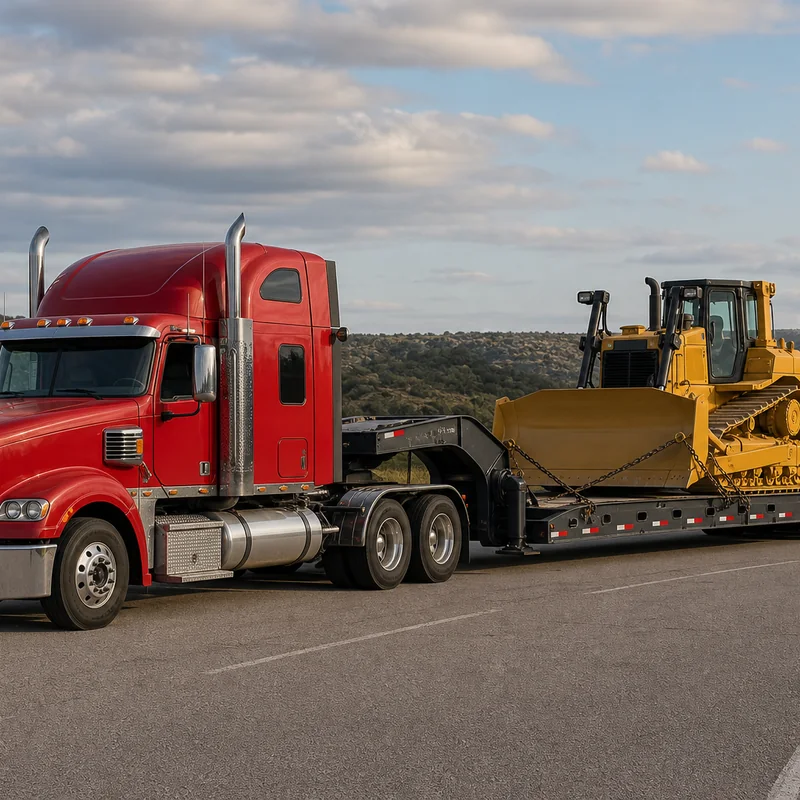
The Upstate's plants run on sequences where an hour matters, so standing supplier lanes get covered with vetted capacity and Expedited recovery options stay priced for the day a shortage threatens a line. Machinery, metals and industrial freight ride Flatbed with securement matched to the commodity, and oversized pieces get Heavy Haul treatment with permits pulled against verified routes.

Regional distribution runs on Less Than Truckload (LTL) priced on density and truckload lanes along the I-85 and I-26 corridors, which carry some of the densest capacity in the Southeast. Hurricane season adds coastal contingency planning from June through November, decided in advance rather than during a forecast.

Reviews

What It’s Like to Build With Flex

Leave a Review
Pricing

Ready to Get Started?

Tell us the lane, commodity, weights and dimensions, and any vessel cutoff, production schedule or oversize requirements. From an export program to a supplier lane, we will quote it across the services that fit.

South Carolina shipment details

Get a South Carolina Freight Quote

Submission received

Your quote request is in.

Thank you. A Freight Flex team member will review your shipment details and follow up shortly.

Build With Flex.