What moves through Maine
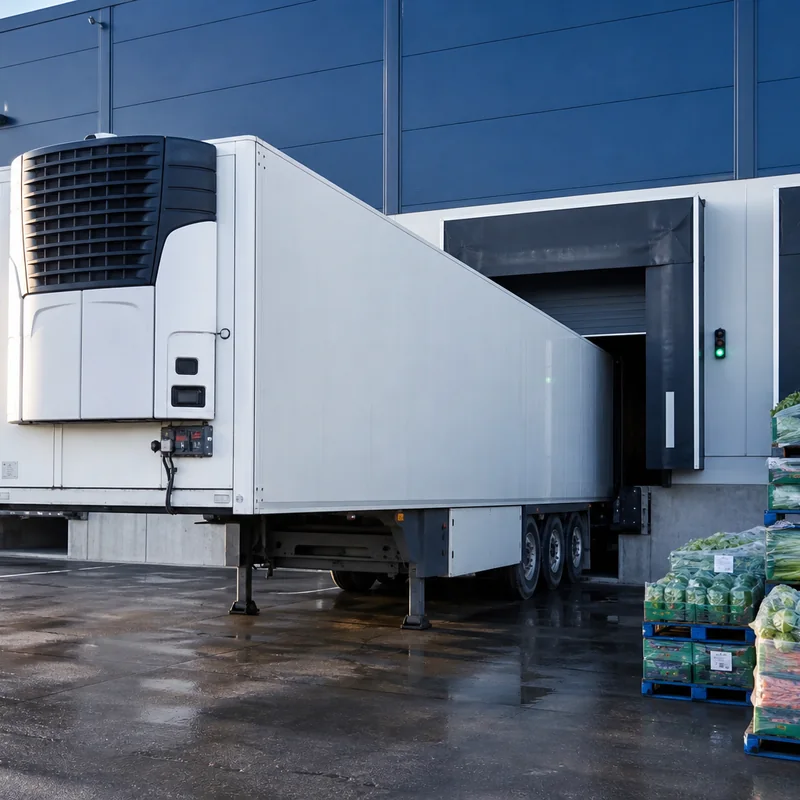
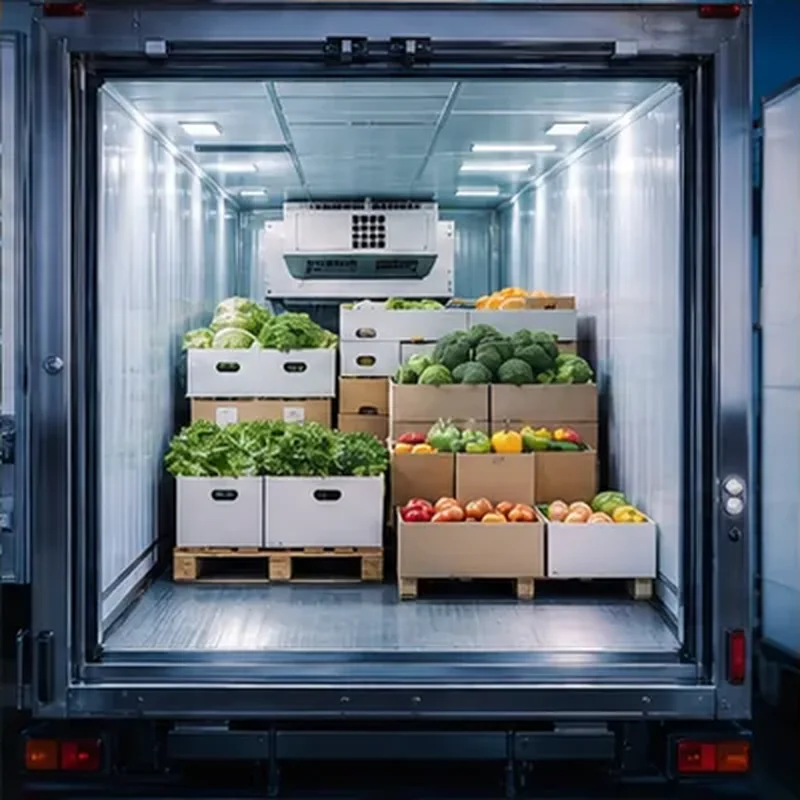
Seafood defines the state's most demanding freight, with lobster, shellfish and groundfish moving live or fresh to markets across the country and abroad, on clocks measured in hours where a delay does not reduce value, it eliminates it. That freight moves on refrigerated equipment with exacting handling and often connects to air for the longest legs.
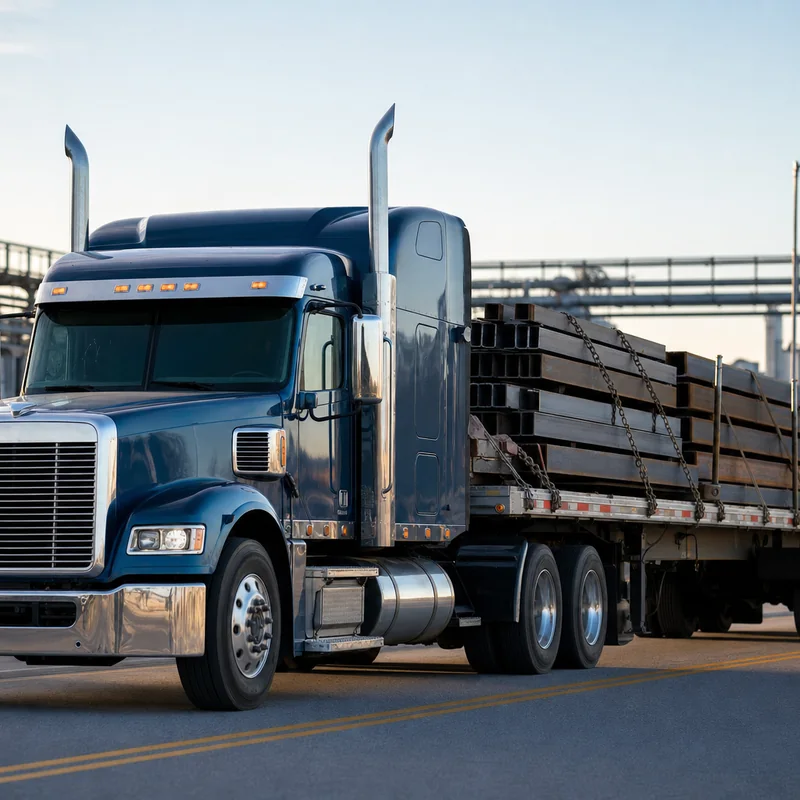
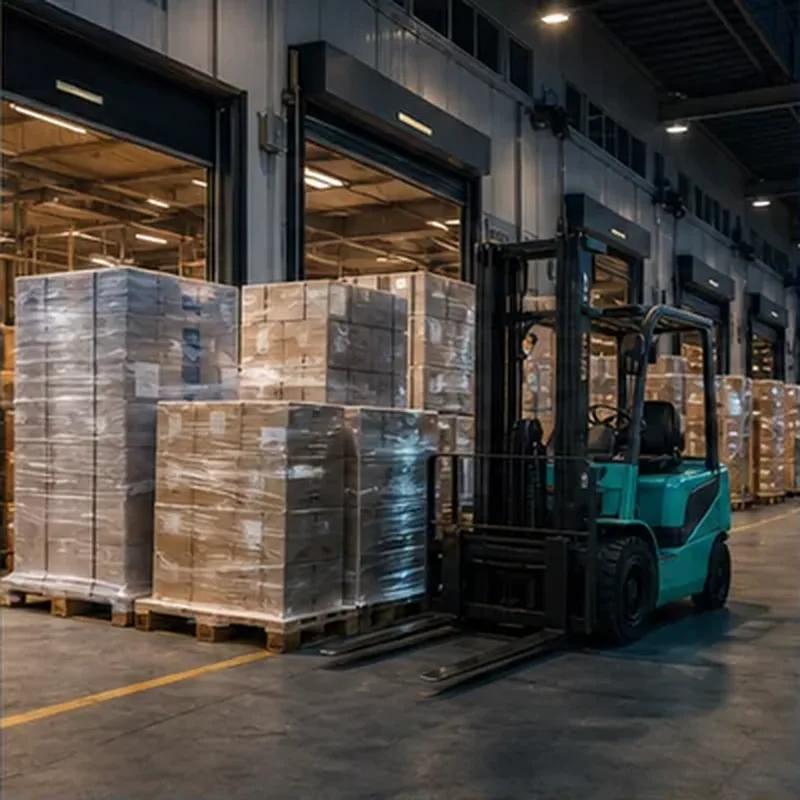
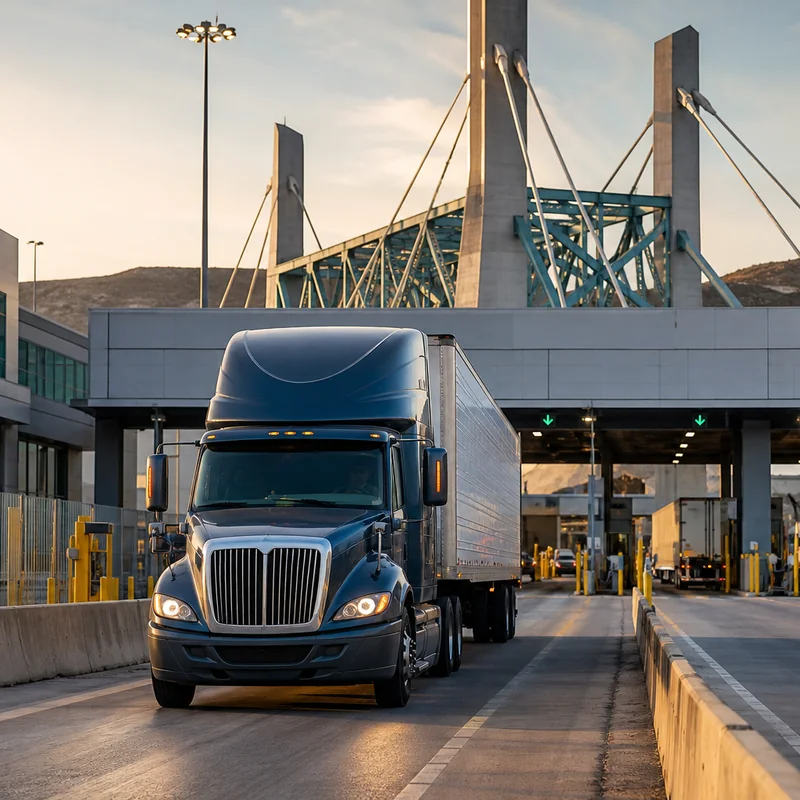
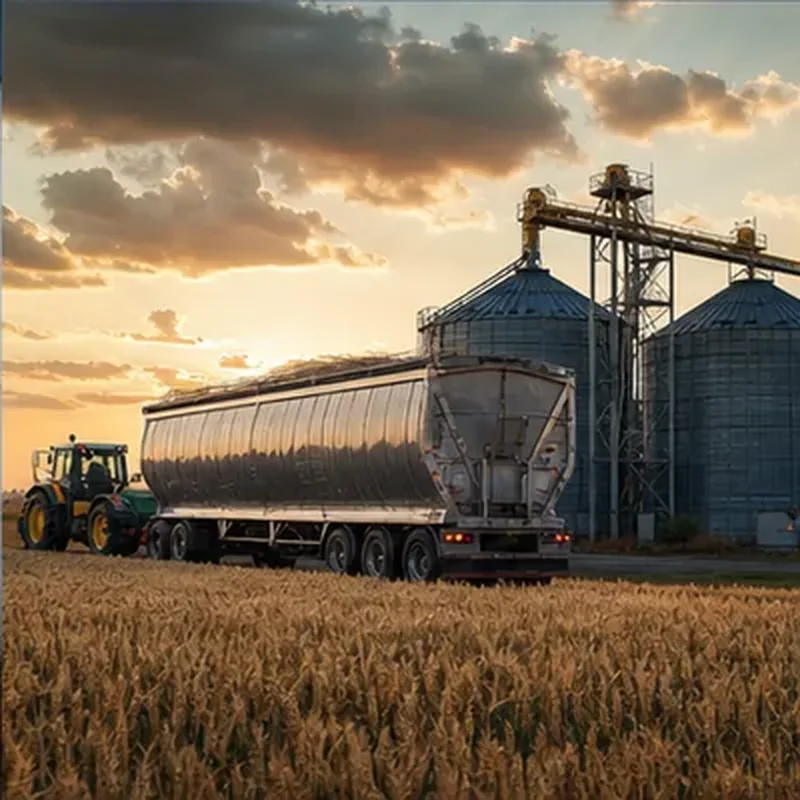
Forest products anchor the industrial side, with lumber, paper and wood products shipping from mills across the interior on open decks. Food processing including blueberries and potatoes, manufacturing at moderate scale, and Canadian trade through the eastern crossings round out the profile, while distribution serves a population spread across enormous territory.
The corridors that carry it
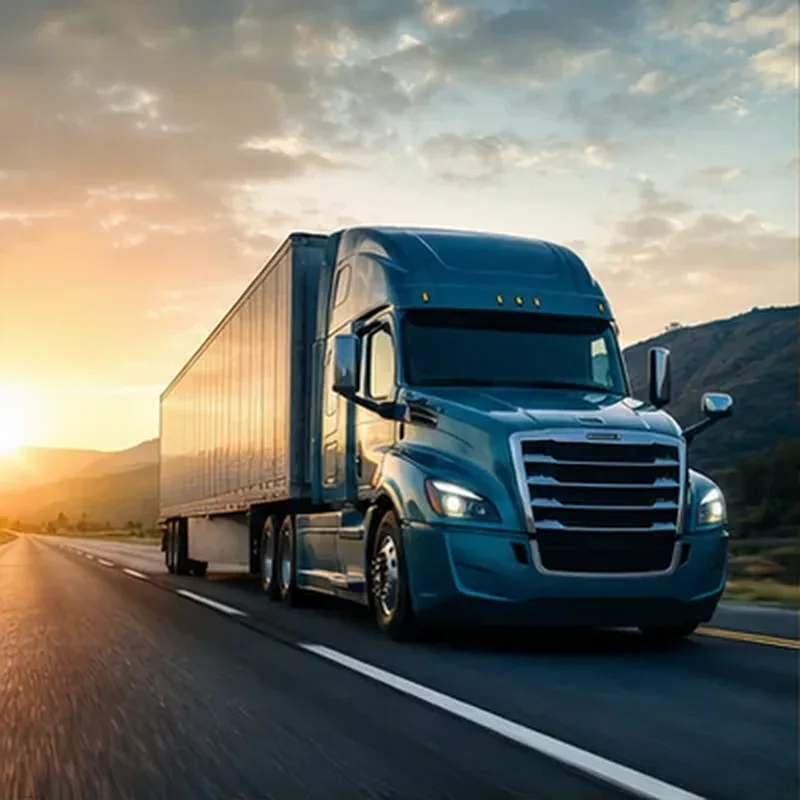
I-95 runs the state's spine from New Hampshire through Portland and Bangor toward the Canadian border, I-295 serves Portland and US routes reach the coast, the interior and the north. Distance is the defining fact, since northern Maine sits farther from Boston than Washington does, and winter along those routes is long and severe.
Freight Flex in Maine
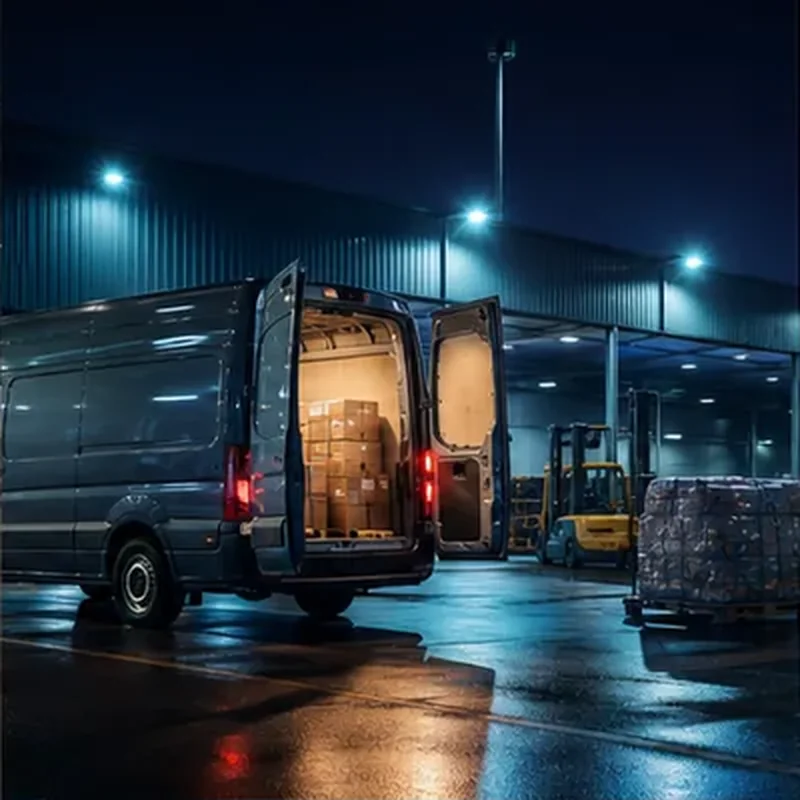
Freight Flex coordinates Temperature-Controlled capacity for seafood and food freight, Expedited equipment and Air Freight coordination for live and time-critical shipments, Flatbed capacity for forest products, Less Than Truckload (LTL) and Full Truckload (FTL) coverage statewide and Cross-Border coordination at the eastern crossings. Carrier compliance tools and an agent success team available 24/7 support the move.