What moves through Portland
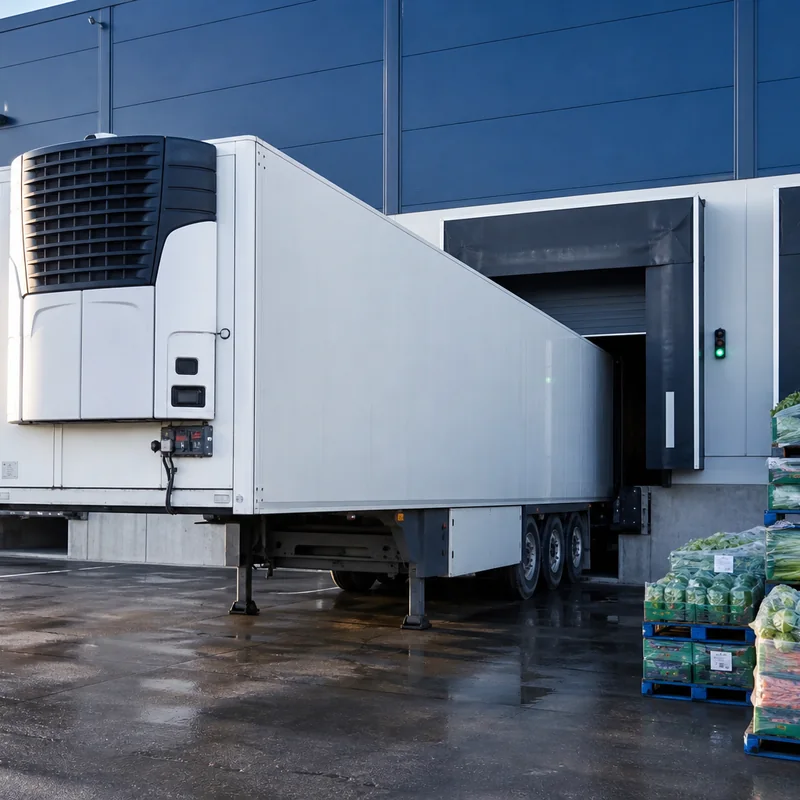
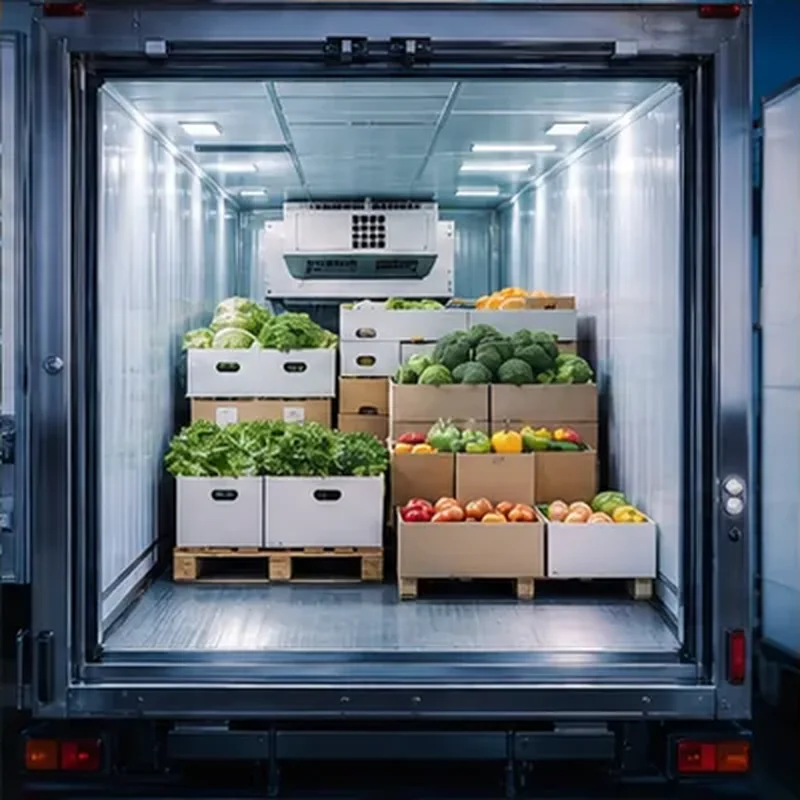
Seafood is the market's signature freight, with lobster, shellfish and groundfish moving live or fresh to markets across the country and abroad on windows measured in hours, where a delay does not reduce value so much as eliminate it. Much of the highest-value volume connects to air for the longest legs.
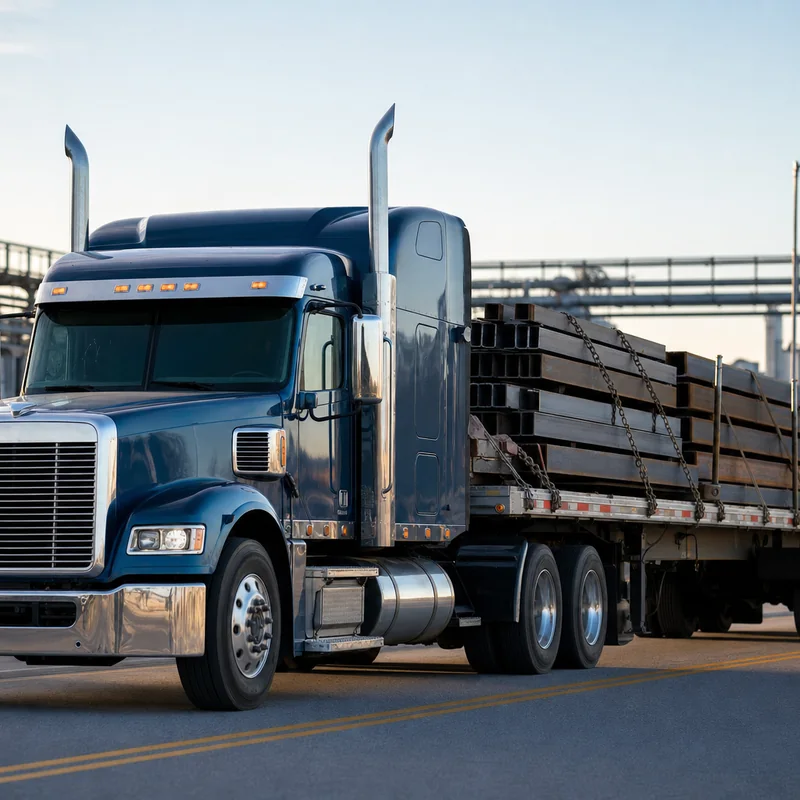
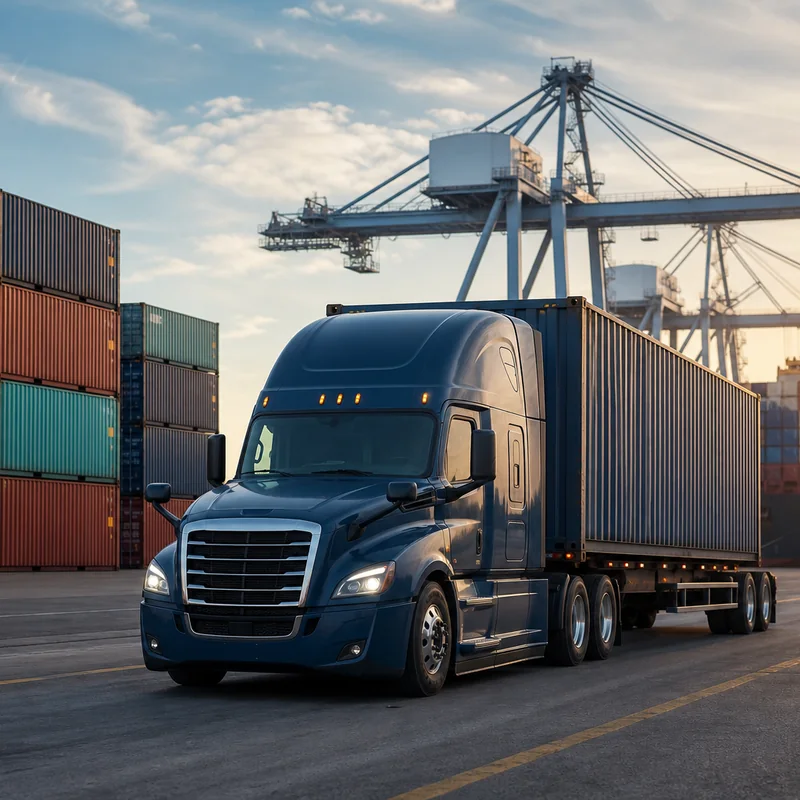
Food and beverage production has grown substantially, including craft brewing and specialty foods shipping nationally, forest products move from the interior on open decks and distribution serves northern New England from the state's largest population center. The port handles containers, bulk and specialty cargo.
The corridors that carry it
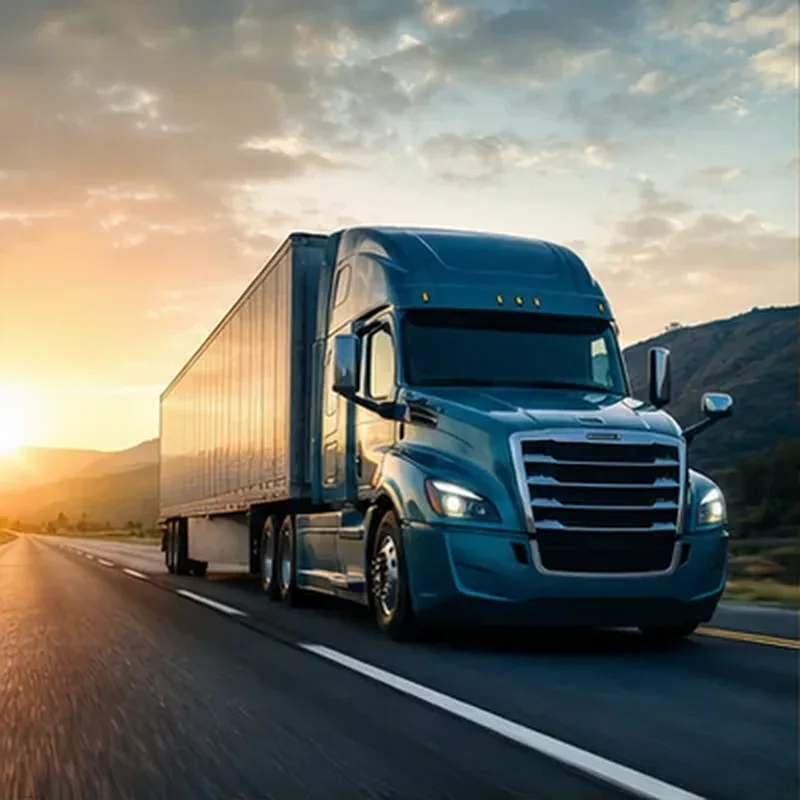
I-95 runs the state's spine south toward New Hampshire and Boston and north toward Bangor, I-295 serves the metro and US routes reach the coast and interior. Boston sits about two hours south, which is the market's primary connection to the national freight network and the reason most Maine freight routes through it.
Freight Flex in Portland
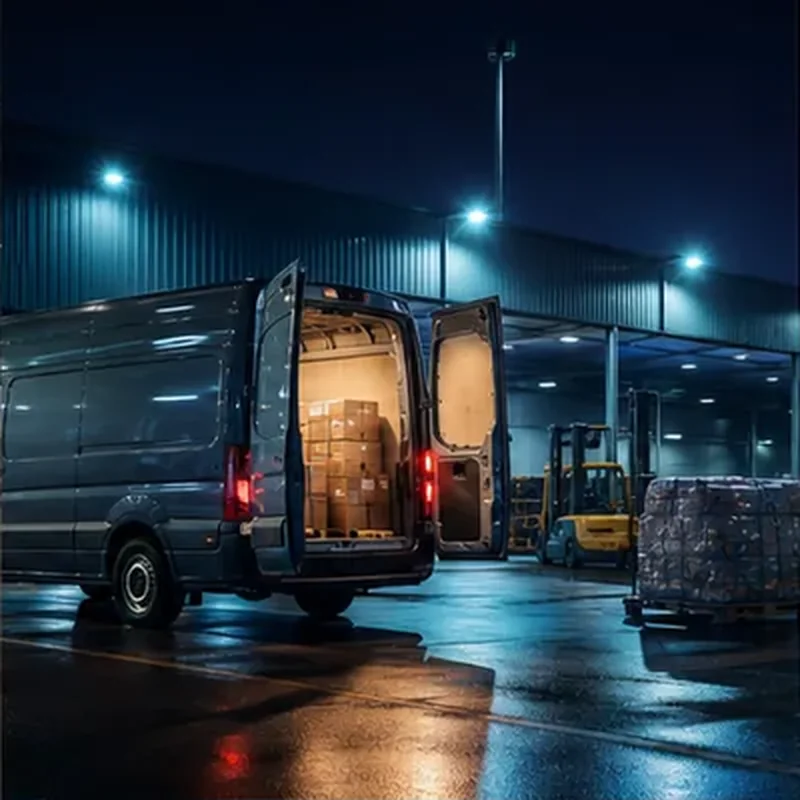
Freight Flex coordinates Temperature-Controlled capacity for seafood and food freight, Expedited equipment and Air Freight coordination for live and time-critical shipments, Flatbed capacity for forest products, Less Than Truckload (LTL) and Full Truckload (FTL) coverage across northern New England and Drayage at the port. Carrier compliance tools and an agent success team available 24/7 support the move.