What moves through San Antonio
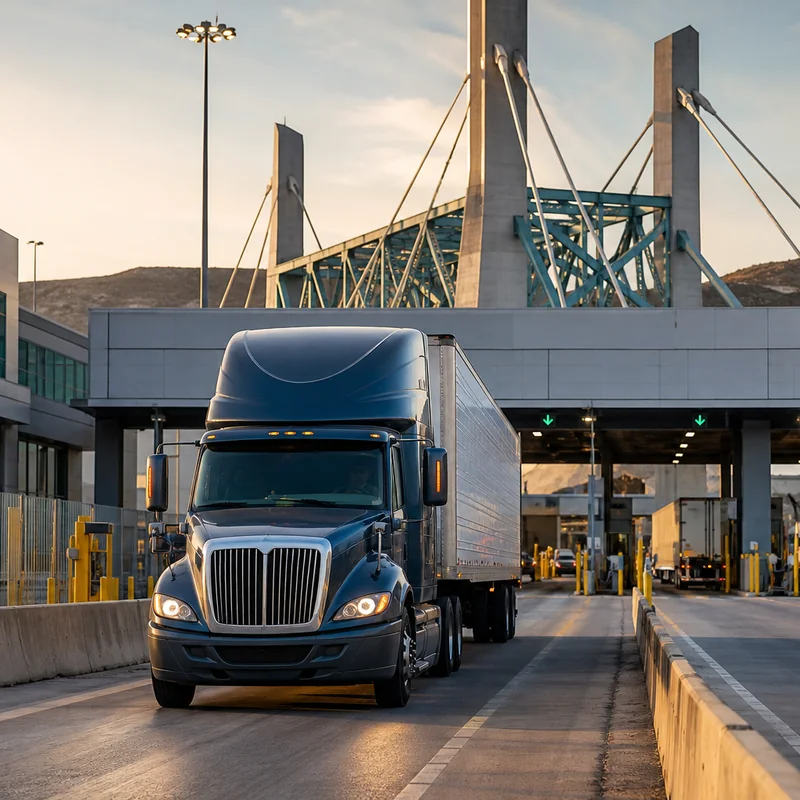
San Antonio freight starts with the border. Cross-border trade moving north from Laredo passes through or stages here, meaning automotive components, manufactured goods and consumer products heading into the US network, with southbound freight consolidating for the crossing. The metro's own manufacturing base has grown substantially, particularly automotive assembly and supplier operations, adding component and finished-vehicle freight to the corridor's volume.
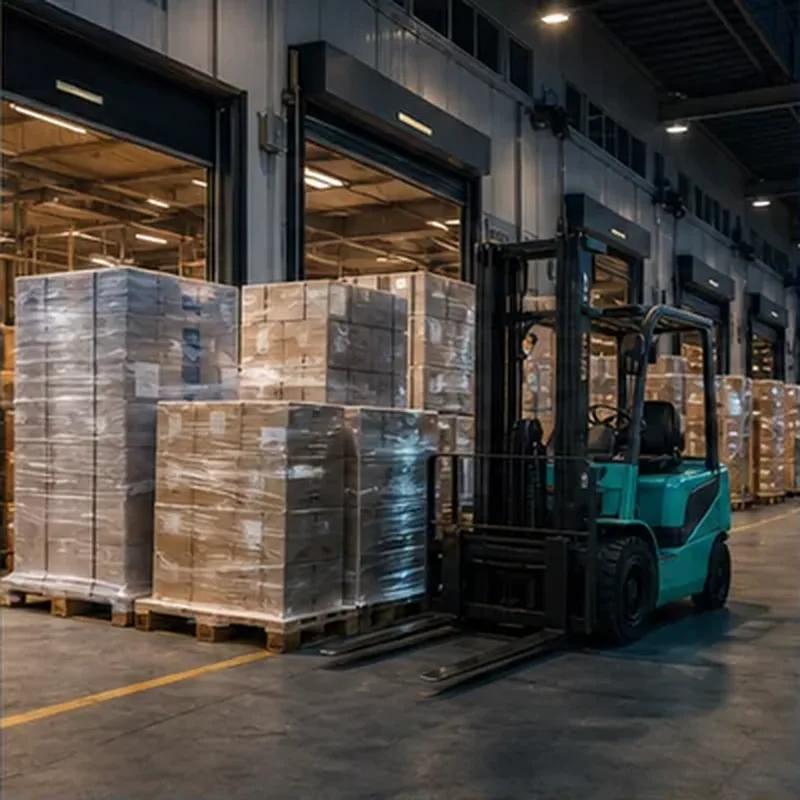
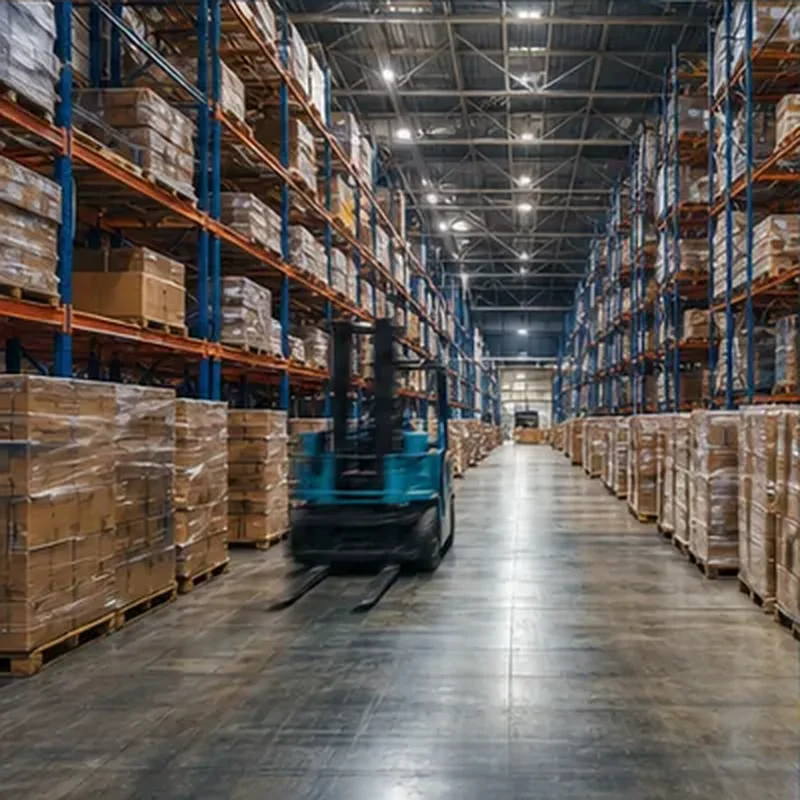
Distribution has followed the growth, with retail, ecommerce and food networks serving a metro that has been among the fastest growing in the country, and building materials feeding construction that has not slowed in years. Ranching and agriculture from south and central Texas round out the freight profile.
The corridors that carry it
I-35 runs the NAFTA corridor straight through the metro, carrying border freight north toward Austin, Dallas-Fort Worth and the middle of the country. I-10 crosses east-west between Houston and El Paso, and I-37 drops southeast toward Corpus Christi and the Gulf. That geometry makes San Antonio a natural consolidation and staging point for freight that just crossed a border or is about to.
Freight Flex in San Antonio
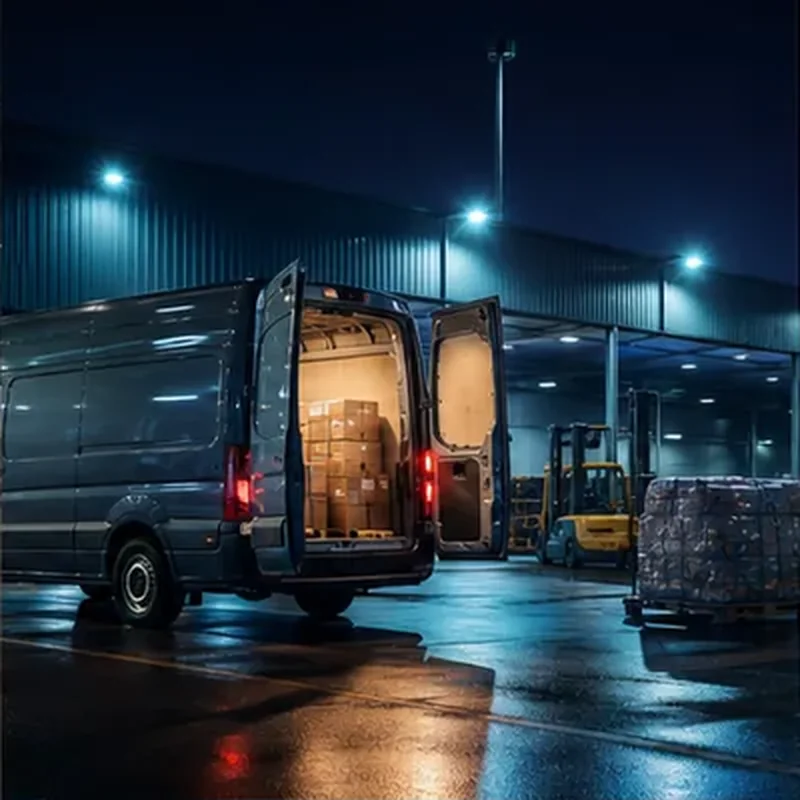
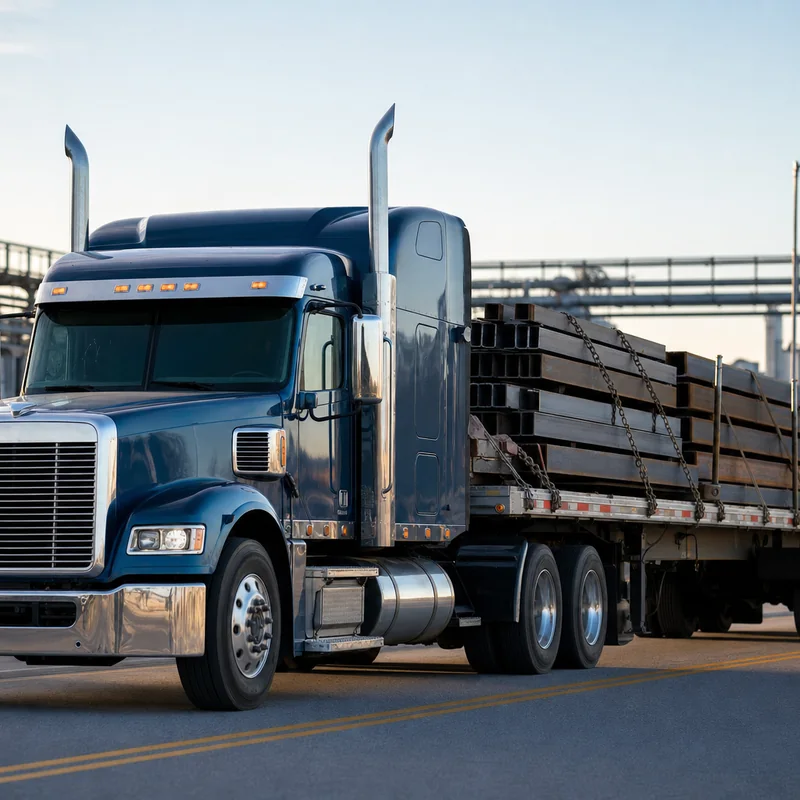
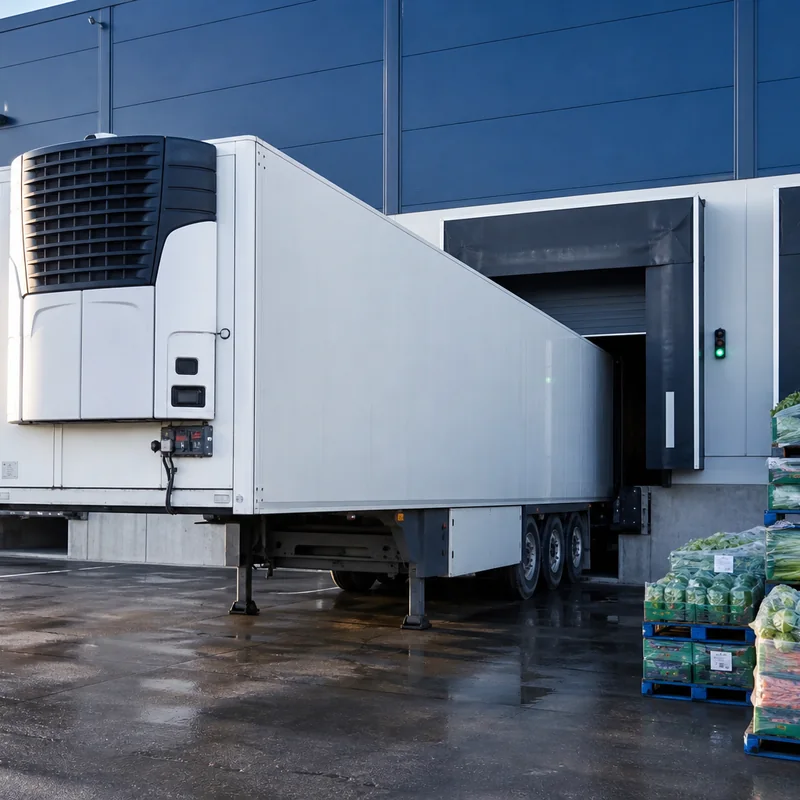
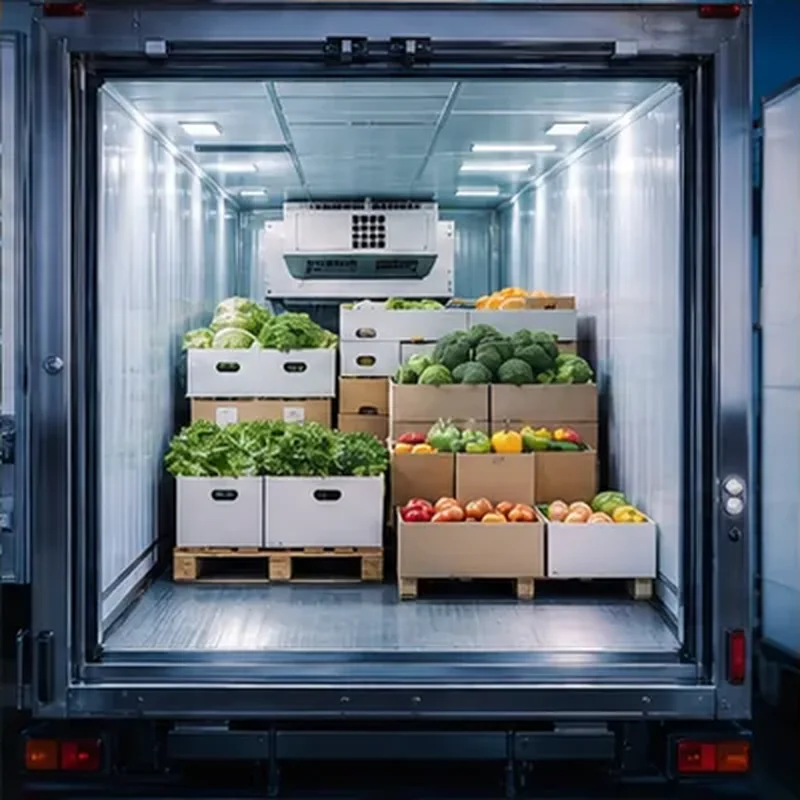
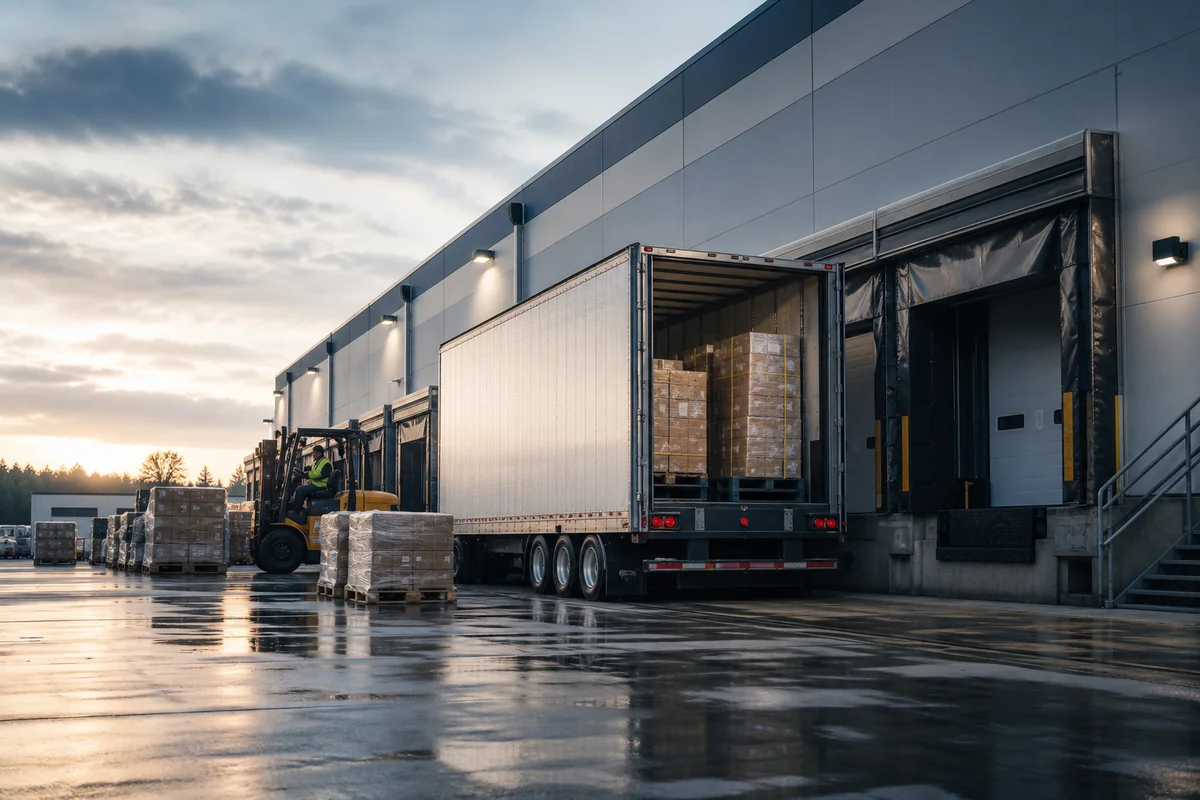
Freight Flex coordinates Cross-Border programs through the Texas gateways with transfers scheduled in advance, Full Truckload (FTL) on the I-35 and I-10 corridors, Less Than Truckload (LTL) coverage across the metro's distribution networks, Flatbed capacity for construction and industrial freight, Expedited equipment for manufacturing urgency and Temperature-Controlled capacity for the food economy. Carrier compliance tools and an agent success team available 24/7 support the move.