What moves through Charleston
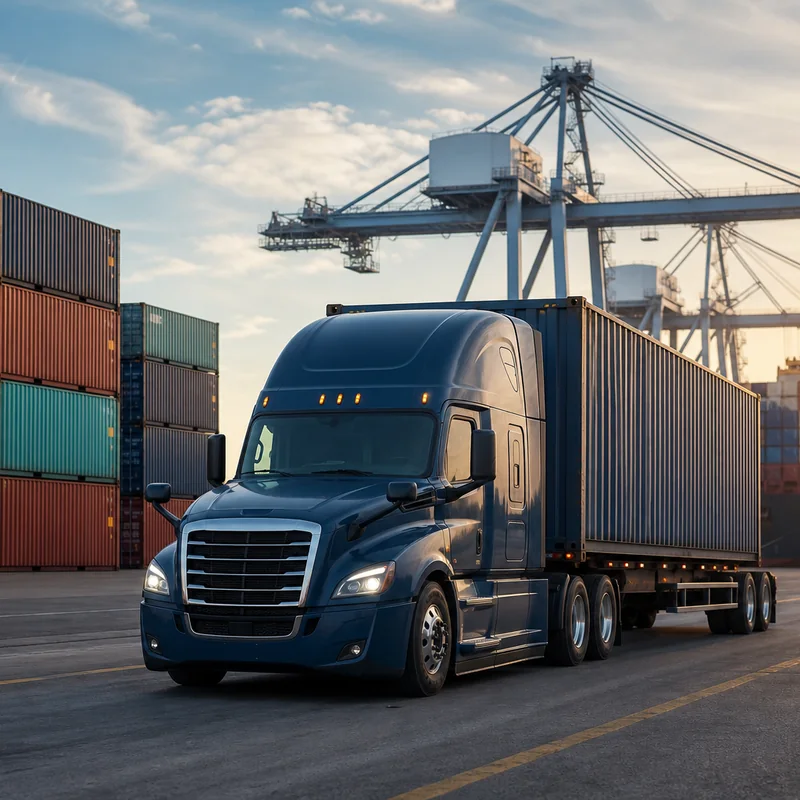
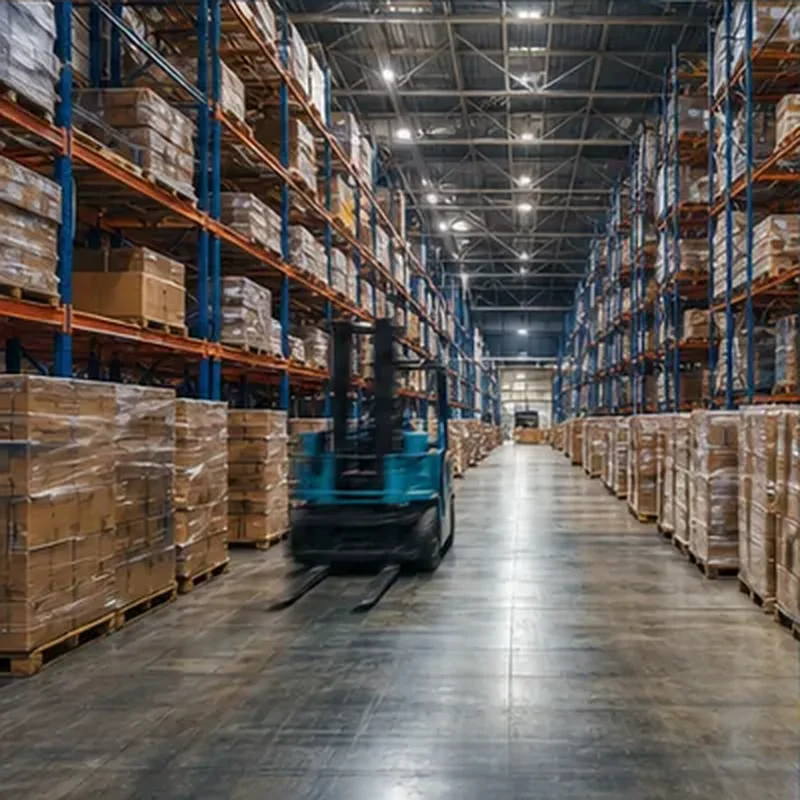
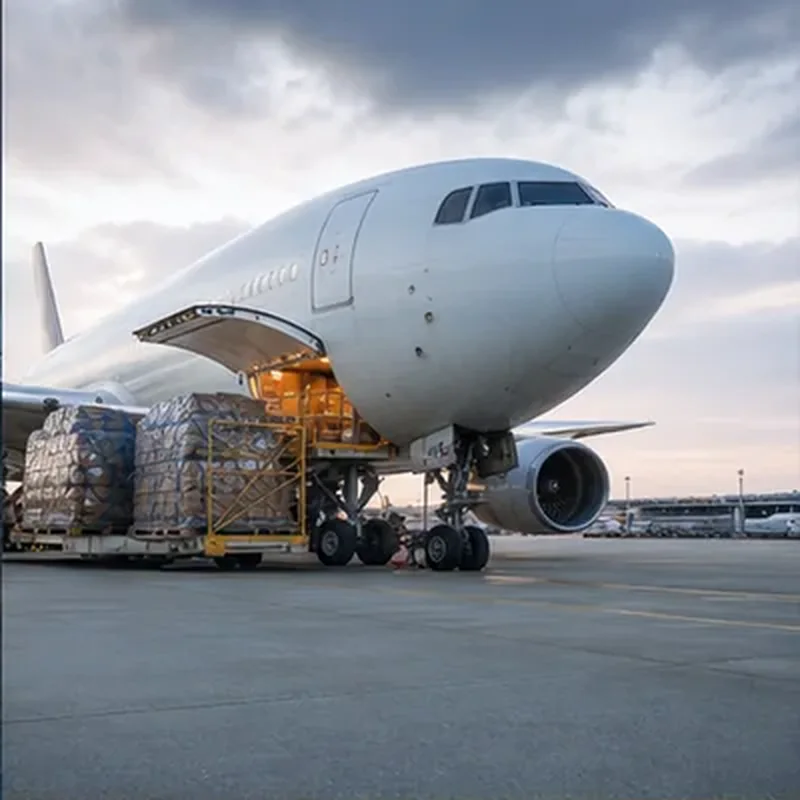
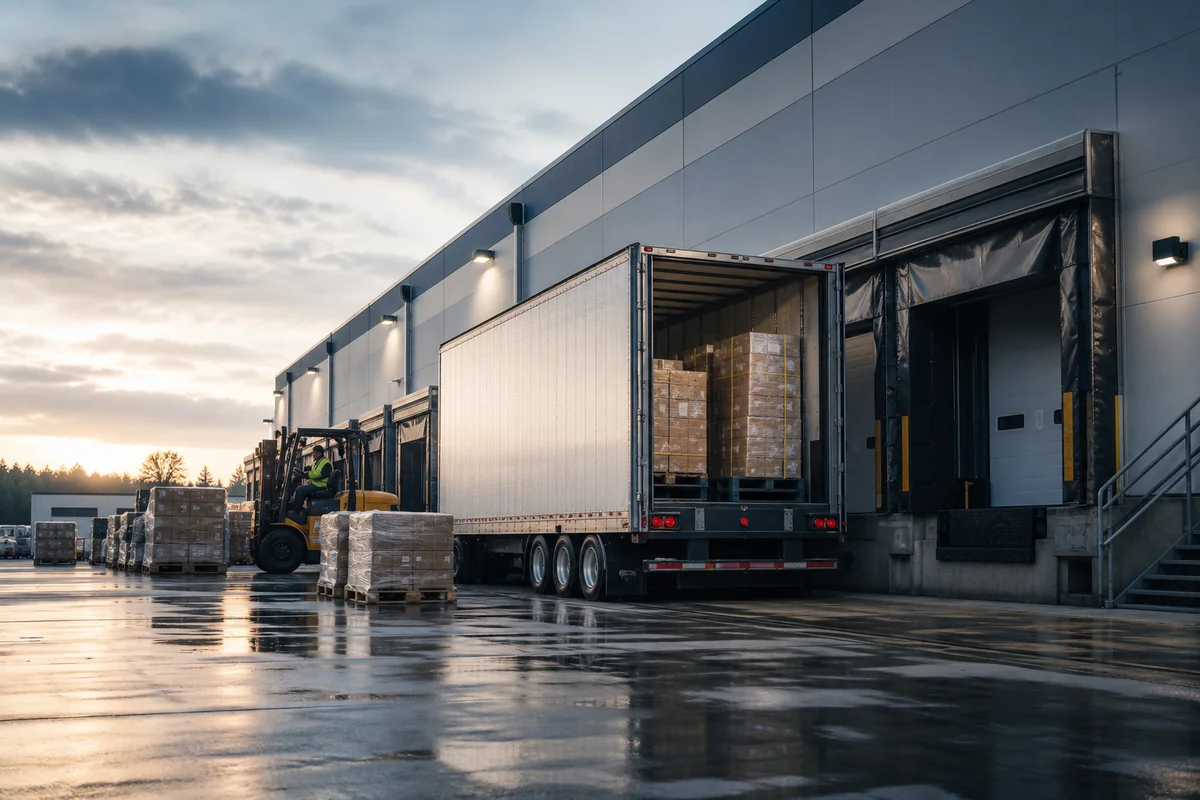
Charleston's import side lands retail and ecommerce inventory, consumer goods and components for the Southeast, distributing through a growing warehouse corridor around the port and inland along I-26. The export side is what distinguishes the market, since South Carolina's manufacturing base ships vehicles, tires, aerospace components, machinery and chemicals out through these terminals in serious volume.
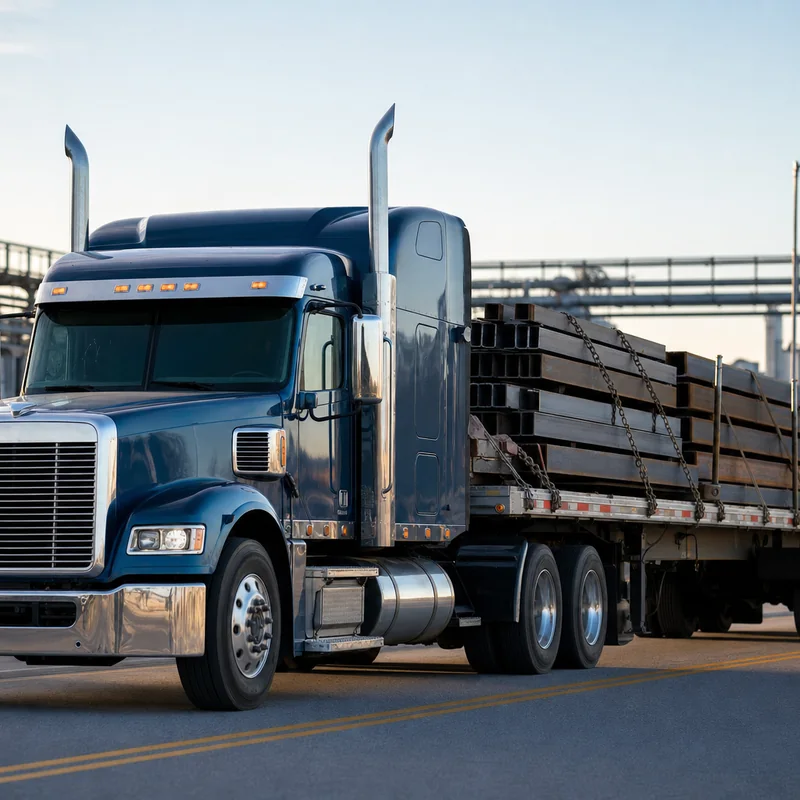
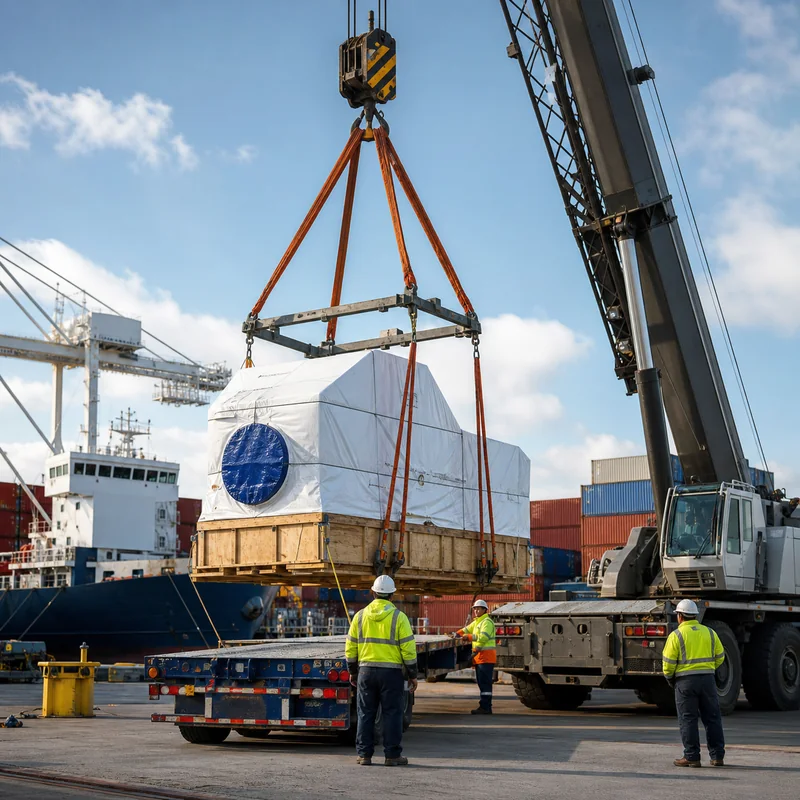
That balance shapes carrier economics favorably, since two-way freight means less deadhead and steadier capacity, and it means the gateway serves manufacturers as much as importers, with the freight profile including plenty of open deck and specialized cargo alongside the boxes.
The corridors that carry it
I-26 runs inland from the port toward Columbia and connects to I-77 toward Charlotte and I-85's Piedmont industrial corridor, while I-95 crosses north-south along the coast. The inland geometry puts Charleston within easy reach of the Carolinas' manufacturing belt and close enough to Atlanta and the Southeast's distribution hubs to compete for their freight.
Freight Flex in Charleston
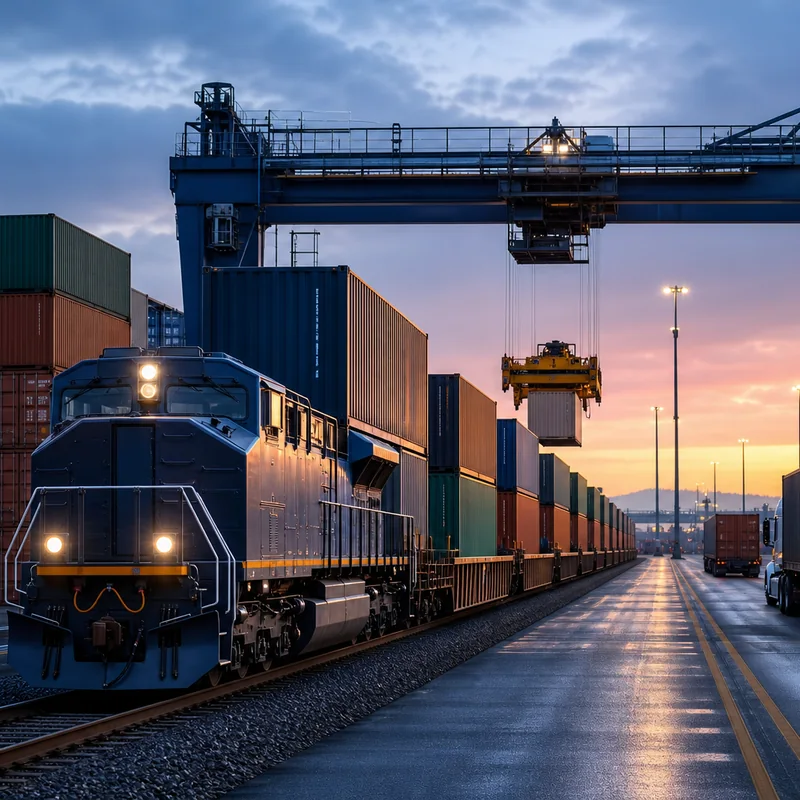
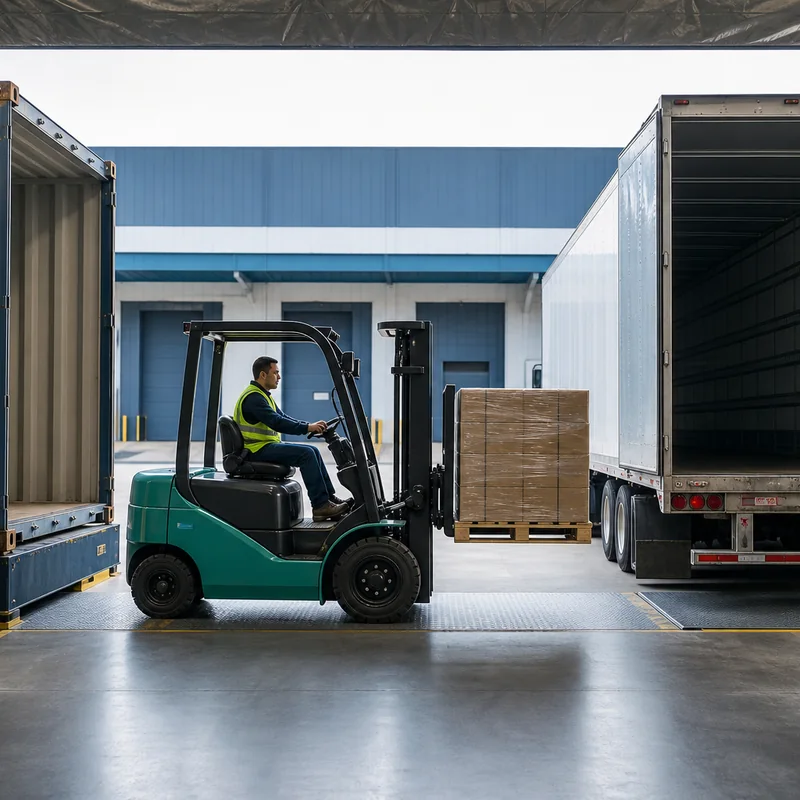
Freight Flex coordinates Drayage at the Charleston terminals with interchange at every steamship line, Transloading converting import boxes to regional distribution, Full Truckload (FTL) and Flatbed coverage on the inland manufacturing lanes, Intermodal options for long inland moves and Project Cargo coordination for oversized pieces moving through the port. Carrier compliance tools and an agent success team available 24/7 support the move.