What moves through North Carolina
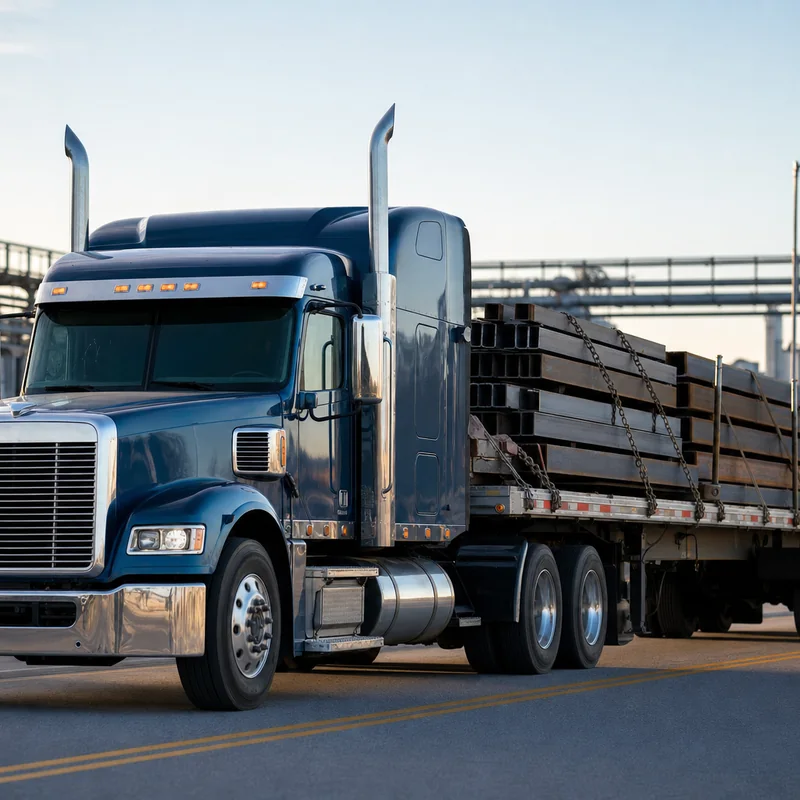
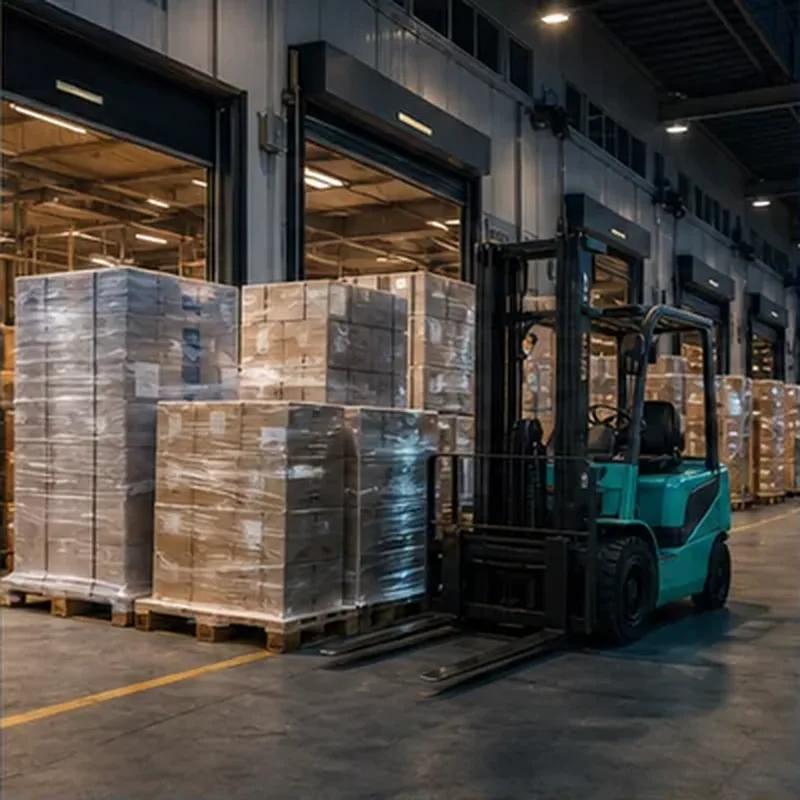
The Piedmont corridor along I-85 carries the state's industrial freight, meaning machinery, textiles and technical fabrics, metals, furniture and the components feeding advanced manufacturing across the region. The Research Triangle adds pharmaceutical and life sciences production with the precision freight requirements that come with it, meaning temperature specifications, high value and low tolerance for improvisation.
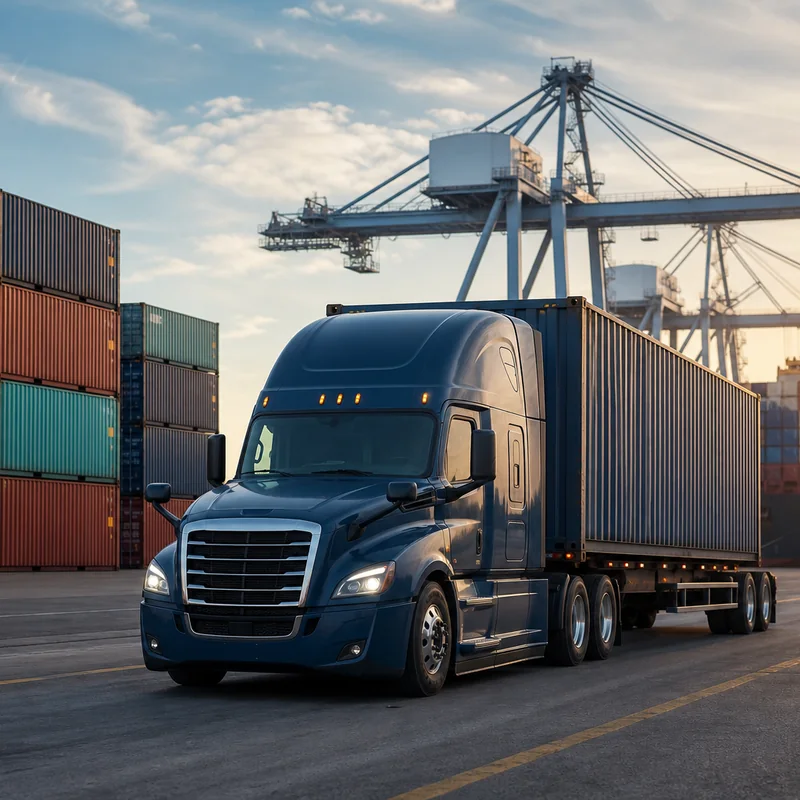
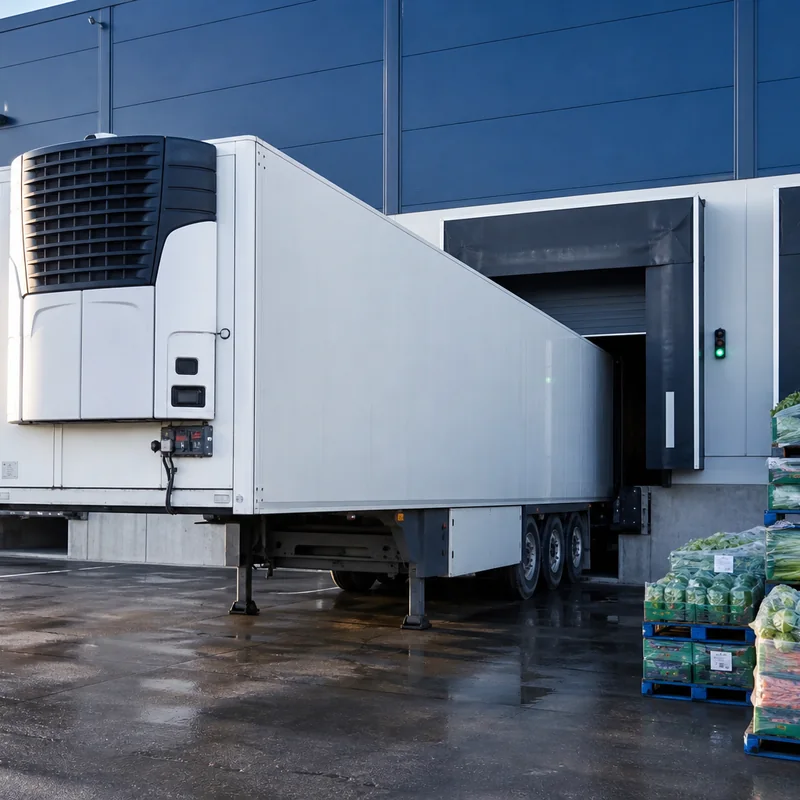
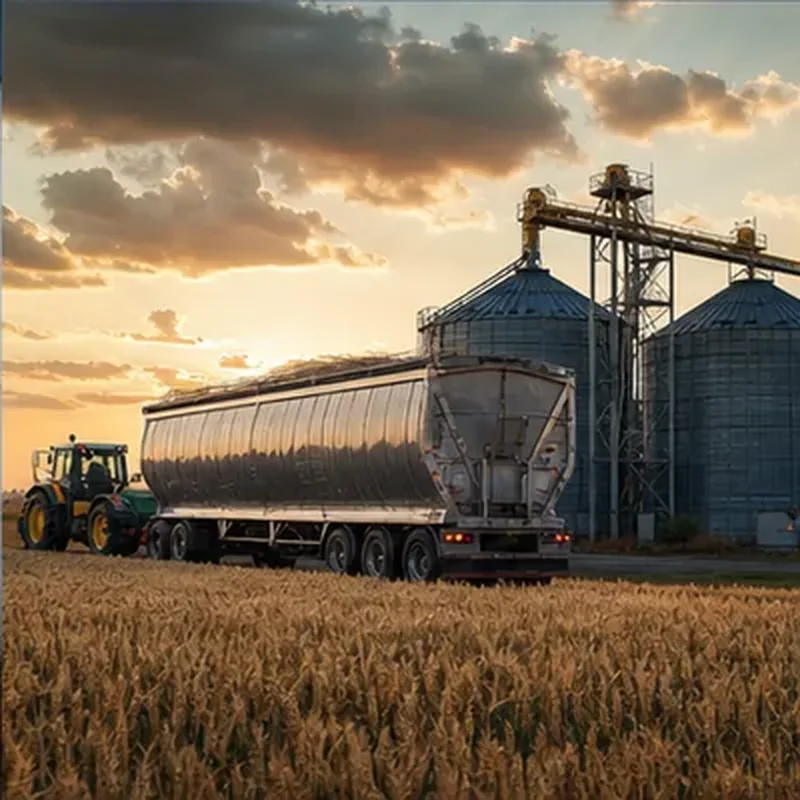
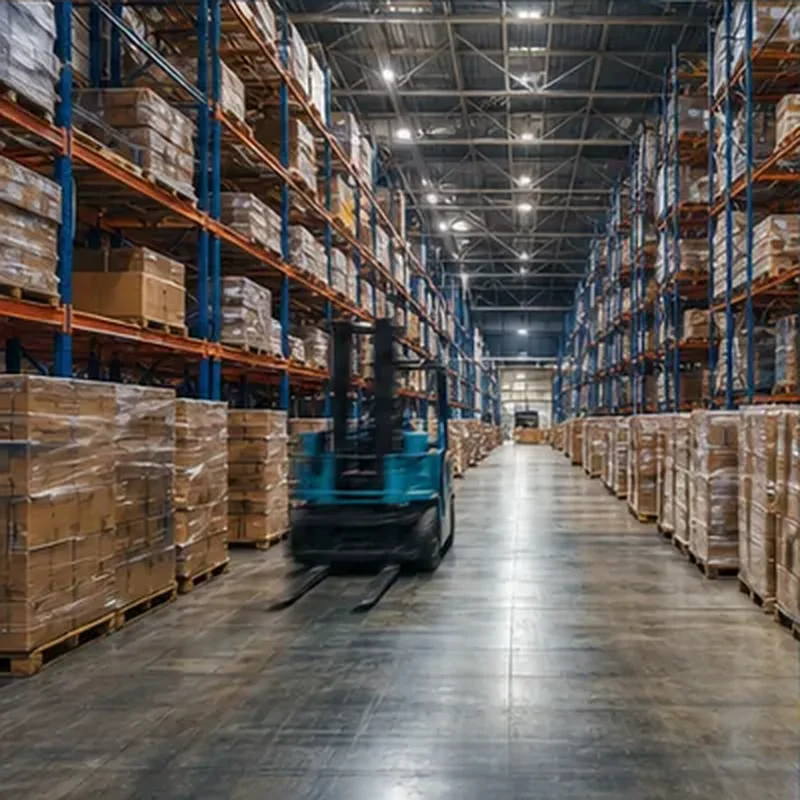
Agriculture runs strong across the coastal plain, with poultry, pork, sweet potatoes and tobacco moving in serious volume, much of it on refrigerated equipment. Distribution has grown throughout, serving a fast-growing population, and the state's ports at Wilmington and Morehead City handle regional import and export flows alongside the larger gateways nearby.
The corridors that carry it
I-85 runs the Piedmont from South Carolina toward Virginia, I-40 crosses the state east-west from the mountains to the coast, I-95 carries north-south coastal traffic and I-77 connects Charlotte north. That geometry links the state to the Charleston, Savannah and Norfolk gateways, giving shippers genuine choice on import routing.
Freight Flex in North Carolina
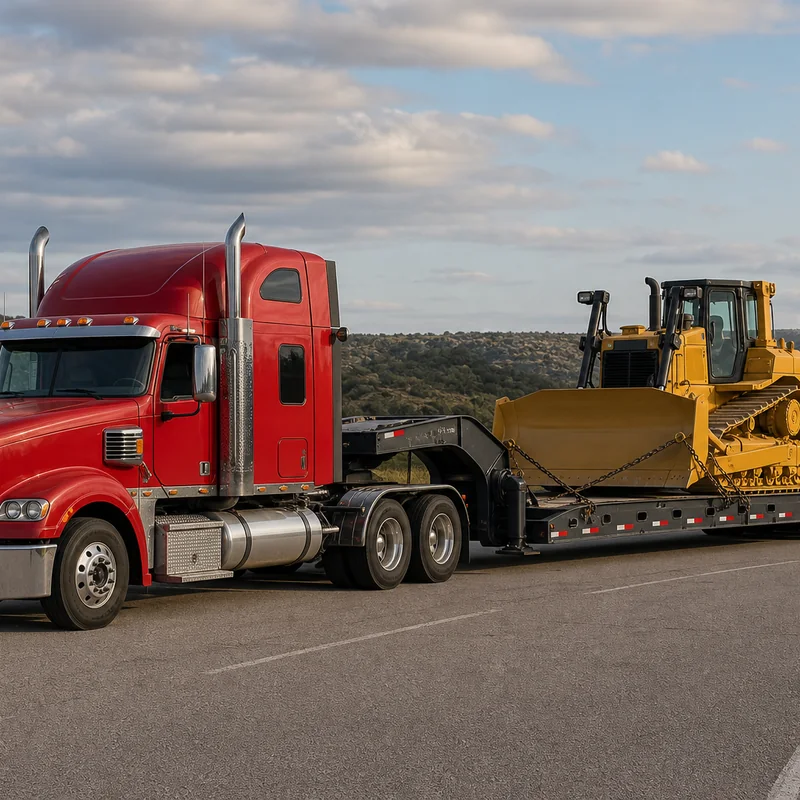
Freight Flex coordinates Full Truckload (FTL) and Less Than Truckload (LTL) freight statewide, Flatbed and Heavy Haul capacity for manufacturing freight, Temperature-Controlled capacity for agriculture and life sciences, Expedited equipment for pharmaceutical and production urgency and Drayage and Transloading connecting the regional gateways. Carrier compliance tools and an agent success team available 24/7 support the move.