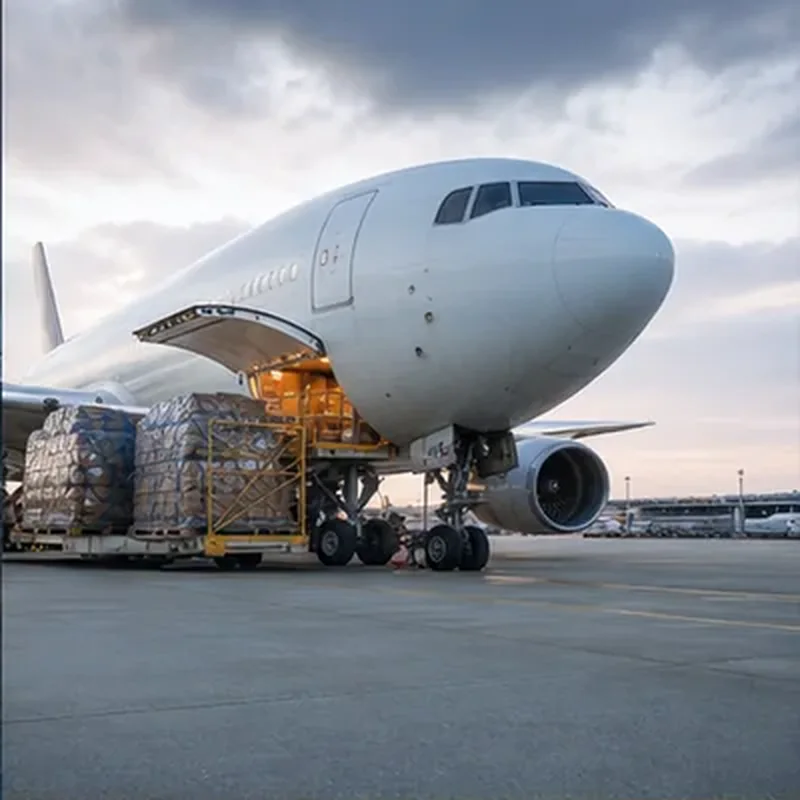
What moves through Laredo
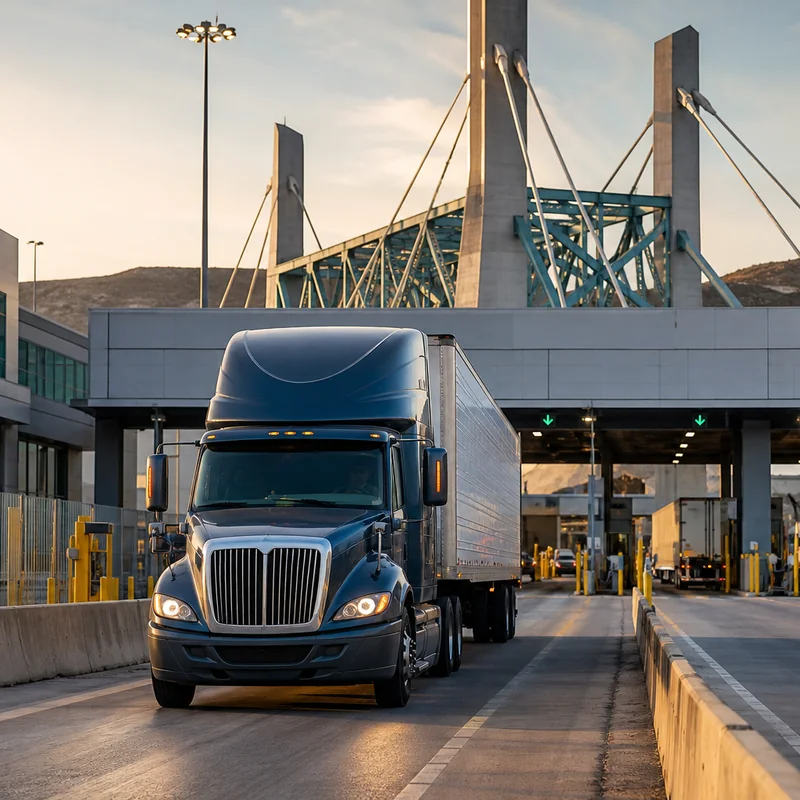
Laredo's bridges carry the densest land trade on the continent, meaning automotive components and finished vehicles flowing both directions, nearshored electronics, appliances and industrial goods heading north from Monterrey and the interior, southbound materials and machinery feeding Mexican manufacturing, and northbound produce joining the flow from the border region. The metro around the bridges is a transfer economy, with drayage fleets shuttling across, transfer yards and warehouses on both sides and a trucking market built entirely around the handoff.
Nearly every load through the market changes hands near the line, moving from a linehaul carrier to a transfer carrier to a delivering carrier on the other side, which makes Laredo less a place freight passes through and more a process freight goes through.
The corridors that carry it
I-35 begins at the bridges and runs the trade straight north through San Antonio, the Texas triangle and the middle of the country, the spine that earned it the NAFTA corridor name. US-59 and the regional network connect Laredo east toward the Valley and the Gulf, while on the Mexican side the highways funnel the industrial north into the gateway. The geometry concentrates enormous volume into one crossing point, and the market's rhythms, from bridge traffic patterns to transfer yard capacity, reward shippers who plan for them.
Freight Flex in Laredo
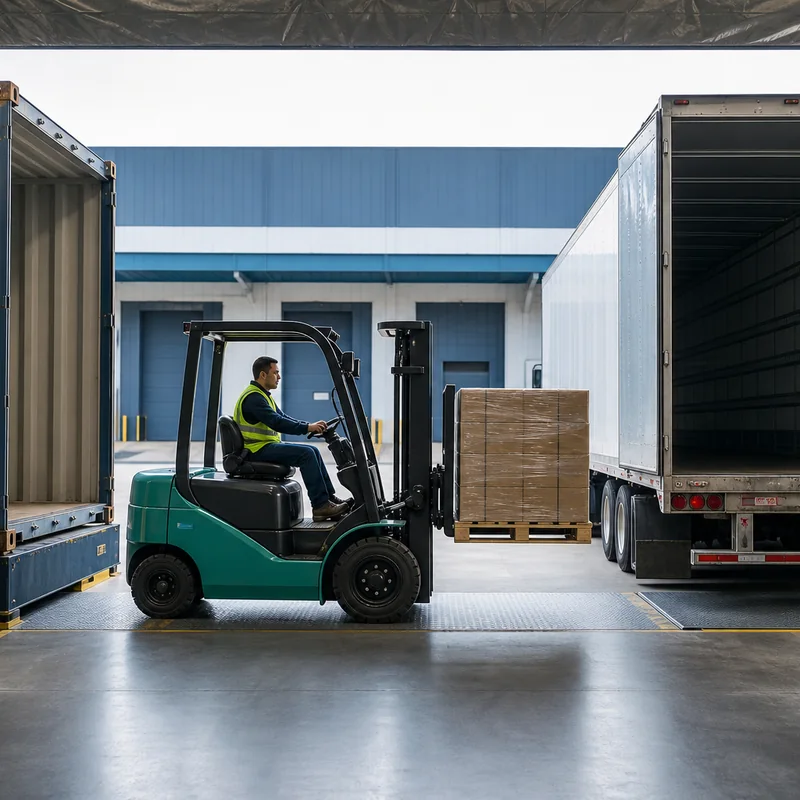
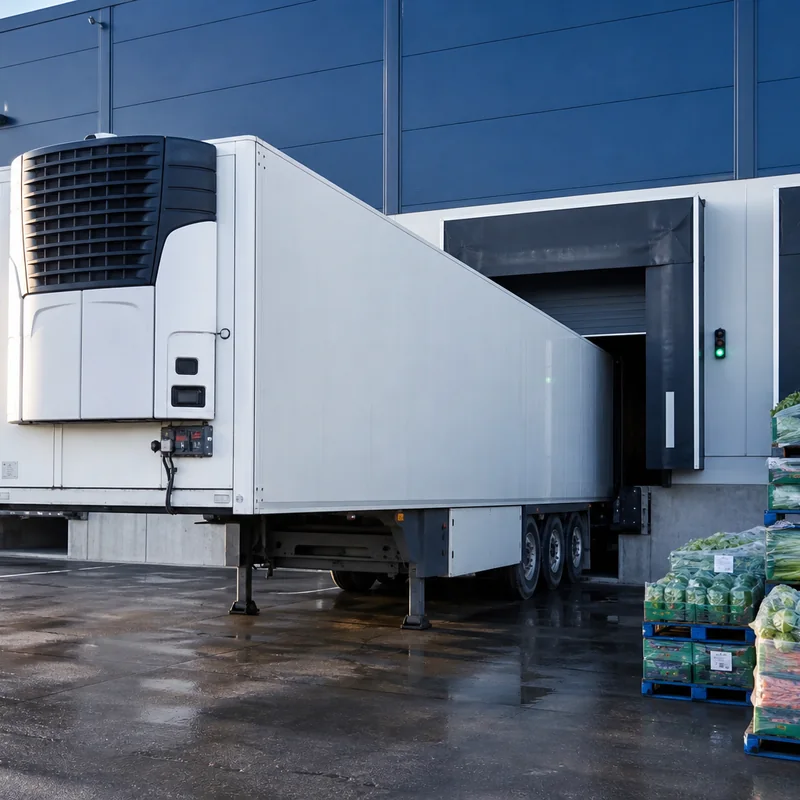
Freight Flex coordinates Cross-Border programs through Laredo with the transfer scheduled before departure and bilingual support at every handoff, Full Truckload (FTL) linehaul on the I-35 corridor, Temperature-Controlled equipment carrying produce setpoints across the transfer, Transloading at the border when freight converts between formats and Expedited coordination when a line-down part cannot wait on a standard crossing. Carrier compliance tools support each side of the border, with an agent success team available 24/7.