Norfolk

Norfolk Freight

The Port of Virginia runs some of the deepest water and cleanest terminal operations on the East Coast, and the freight moving through Hampton Roads reflects it. Freight Flex coordinates Norfolk freight from the terminals inland, with vetted carriers and plans set before the vessel berths.

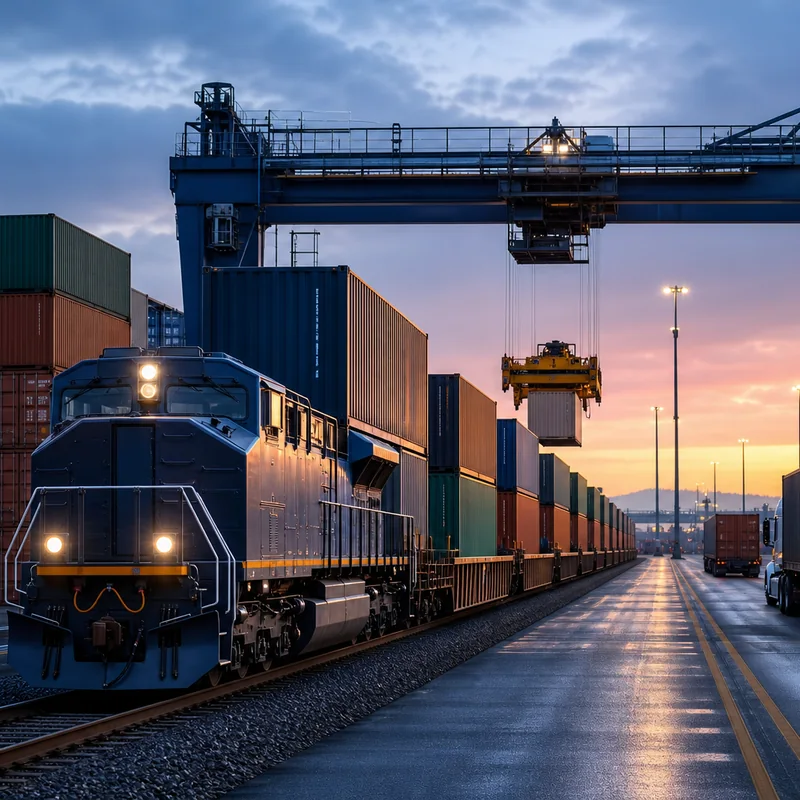
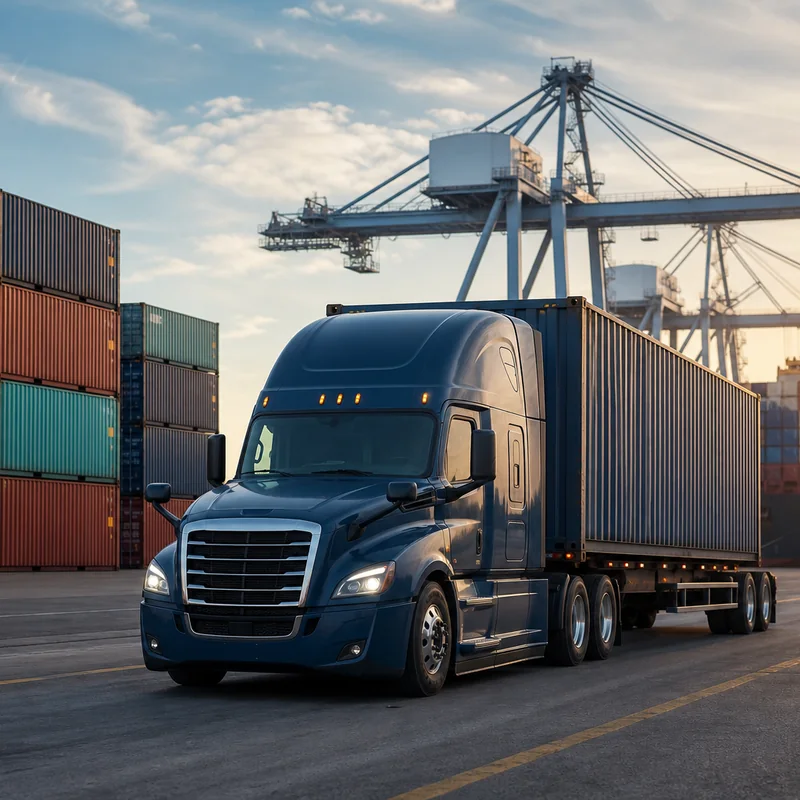
Container terminals and rail operations at the Port of Virginia in Norfolk
The Norfolk Market

Freight coordination at the Port of Virginia. Deep water, strong rail.

Hampton Roads combines deep-water capacity, strong on-dock rail and a terminal operation that has invested heavily in throughput, making Norfolk an increasingly attractive alternative to the congested northern gateways. Freight Flex coordinates Norfolk freight with the disciplines the gateway rewards.

What moves through Norfolk

Norfolk handles containerized imports and exports for the mid-Atlantic and, thanks to rail, for a much larger inland territory. Import freight lands for regional distribution and for rail movement into Ohio, the Midwest and the interior, while the export flow runs strong with agricultural products, forest products and manufactured goods from Virginia and the Carolinas. The port's breakbulk and project capability adds oversized and specialized cargo to the mix.

The regional economy behind the terminals includes military and defense logistics, manufacturing across Hampton Roads, distribution serving Virginia and the mid-Atlantic, and agriculture from the surrounding countryside.

The corridors that carry it

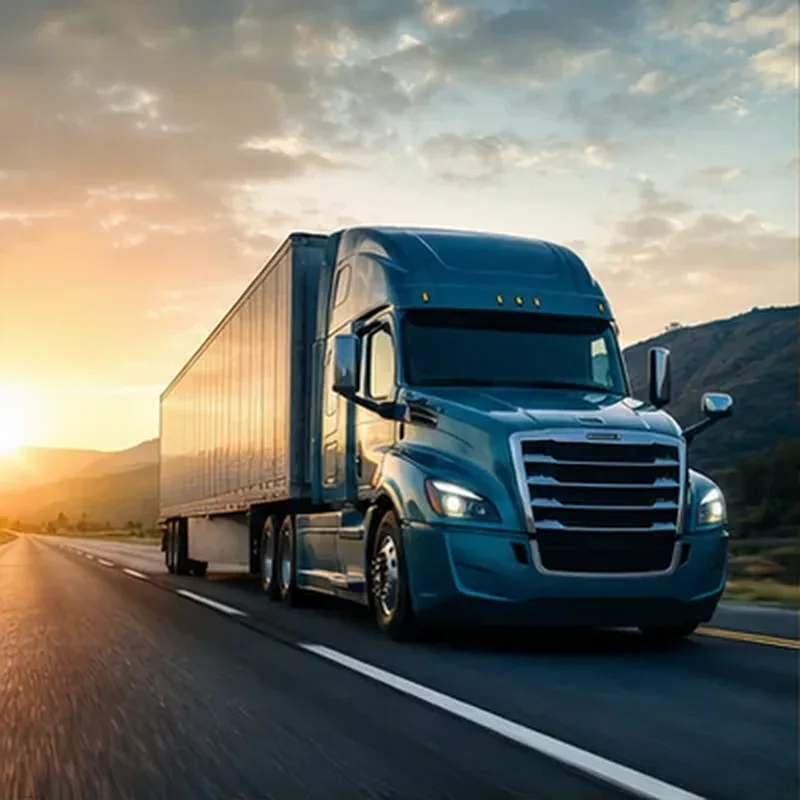
I-64 runs west from the port toward Richmond and the interior, connecting to I-95's coastal spine and I-81's inland corridor, while on-dock rail moves containers directly to the intermodal network without a truck ever touching them. That rail strength is Norfolk's structural advantage, since it lets the gateway serve inland markets that would otherwise belong to a different coast.

Freight Flex in Norfolk

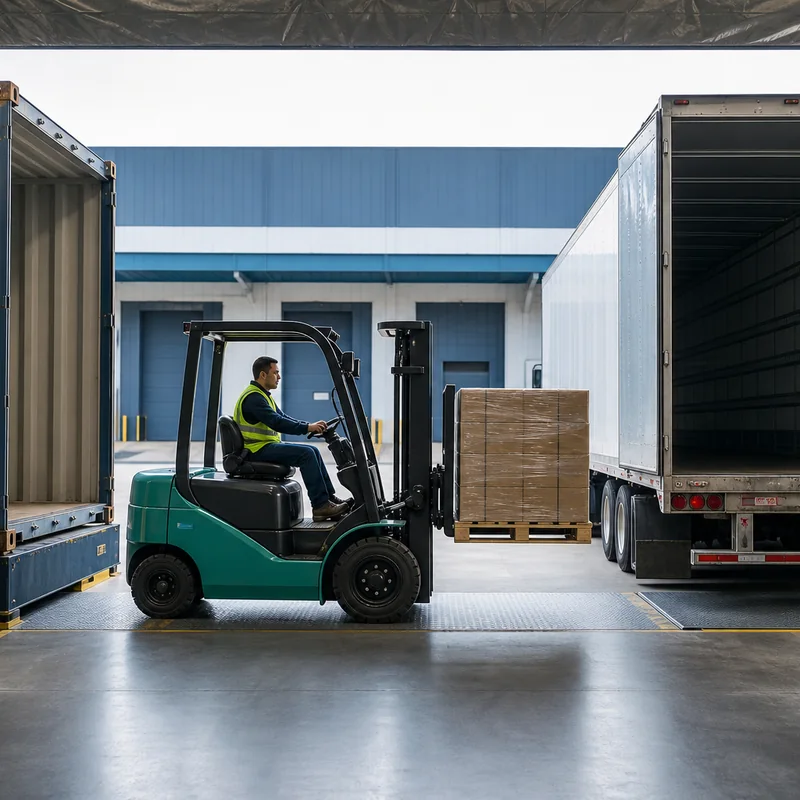
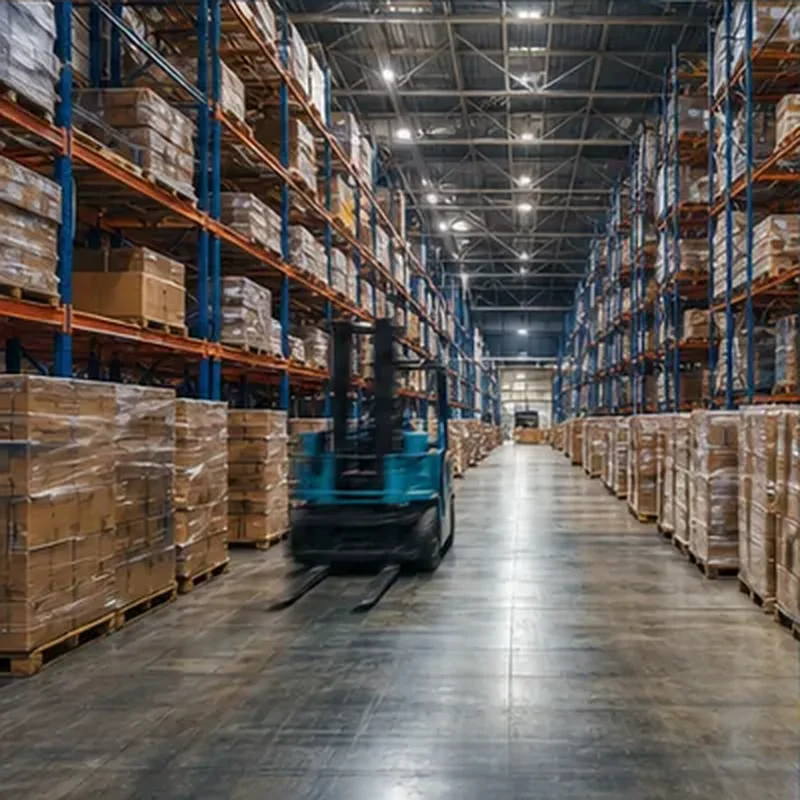
Freight Flex coordinates Drayage at the Virginia terminals with interchange at every steamship line, Intermodal moves using the on-dock rail connections, Transloading converting boxes to regional distribution, Project Cargo and Heavy Haul coordination for breakbulk pieces and Full Truckload (FTL) coverage on the inland lanes. Carrier compliance tools and an agent success team available 24/7 support the move.
Rail Straight Off the Dock

On-dock rail connections make intermodal genuinely competitive from the terminal, and Freight Flex plans both drays around the linehaul so the savings survive the first mile.

Terminals Covered

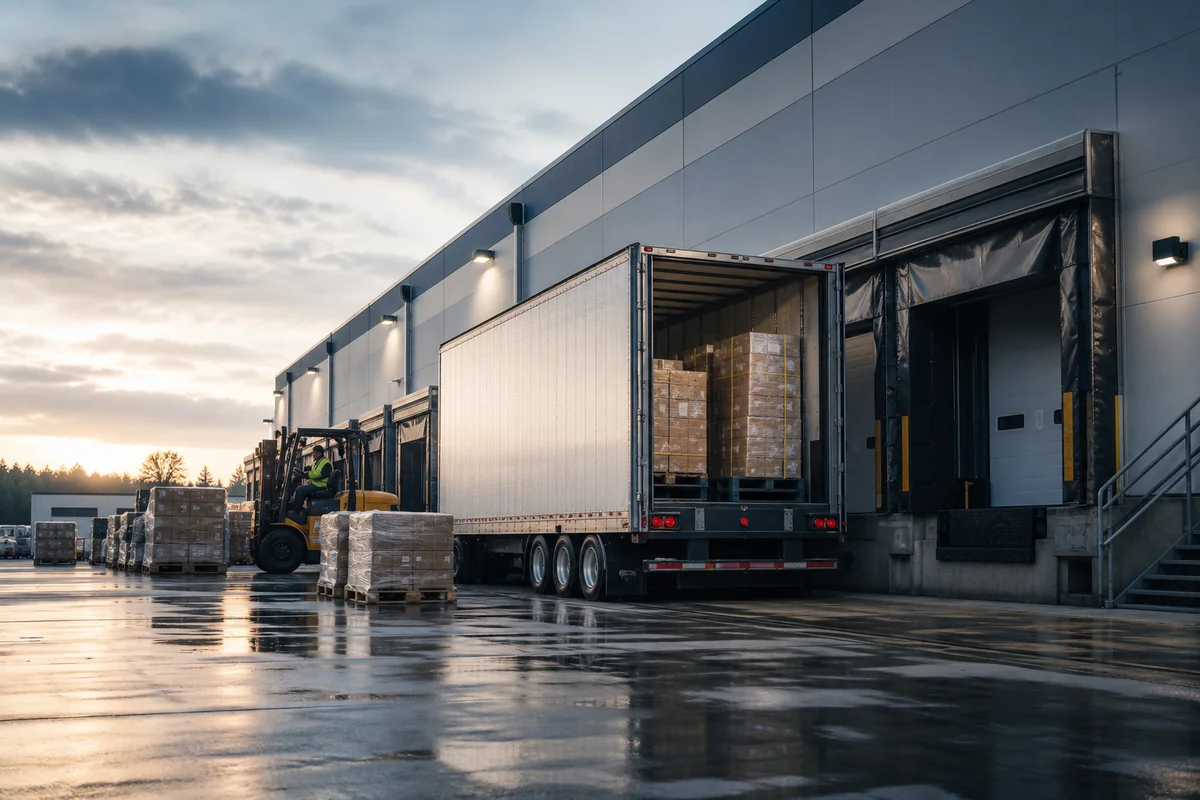
Drayage at the Virginia terminals with pre-arrival planning, chassis strategy and interchange at every steamship line, run by carriers who work these gates.

Compliance on Every Lane

Carrier compliance tools support shipment security, backed by an agent success team available 24/7. Gateway volume never lowers the bar.

The Freight Flex promise

Your boxes move before they dwell. Build With Flex.

For every shipper moving Norfolk freight, Freight Flex commits to having the dray, the chassis strategy and the inland routing set before the vessel berths, using the gateway's rail advantage where it genuinely wins and covering the inland lanes with vetted capacity. Export programs get sequenced against cutoffs, breakbulk pieces get the coordination they need, and a gateway built on throughput gets freight plans that match.

0+
Shipments Coordinated
#0
Inc. 5000 Fastest-Growing Private Companies
0
States of Nationwide Coverage
0+
Freight Flex Offices
Operating standards

Norfolk freight standards. Vetted. Verified. Visible.

Freight Flex combines carrier compliance tools with an agent success team available 24/7 to help reduce cargo theft, fraud and claims and support shipment visibility. These standards ride on every Norfolk load we arrange.

  • Only work with Highway verified Motor Carriers.
  • 1+ year active authority required.
  • Satisfactory or Unrated FMCSA safety rating required.
  • $1M Auto Liability + $100K Cargo Insurance required.
  • VIN verified on every shipment through Highway Load Lock.
  • Supplemental cargo insurance available up to $2,000,000 per shipment, beyond standard carrier coverage.
Freight services

The services Norfolk freight uses most. Gateway and rail.

Norfolk freight runs on the gateway toolkit with rail at the center. Drayage works the terminals, intermodal uses the on-dock connections, transloading converts boxes for regional distribution, truckload carries the inland lanes and project cargo and heavy haul handle the breakbulk pieces.

See All Services
Industries

The industries that run on Norfolk freight. The Hampton Roads economy.

Norfolk freight serves the gateway's customers and the region's producers, meaning retail and ecommerce networks landing mid-Atlantic inventory, manufacturers shipping both directions, agriculture exporting through the terminals, building materials for regional construction, energy project cargo and the forwarders and NVOCCs running programs through Virginia.

See All Industries
Planning Norfolk Freight

How shippers plan Norfolk freight. Rail advantage, used right.

Norfolk planning centers on the gateway's structural strength, meaning on-dock rail that extends its reach far inland, plus the pre-arrival discipline every port rewards.

Using on-dock rail as a real advantage.

Norfolk's rail connections let containers leave the terminal on a train rather than a truck, which changes the economics for inland-bound freight and makes the gateway competitive for markets well beyond the mid-Atlantic. Intermodal moves through Freight Flex are planned as complete sequences, with the destination Drayage arranged as part of the linehaul so rail savings survive the last mile. For regional freight, straight drayage or Transloading into palletized distribution usually wins, and we price both.

The pre-arrival rule applies here as everywhere, meaning booking details and destinations sent before the vessel berths, chassis strategy set, appointments chosen while slots exist. Norfolk's terminals reward prepared freight with genuinely fast turns, which is precisely why importers keep testing the gateway against their northern defaults.

Exports, breakbulk and the inland lanes.

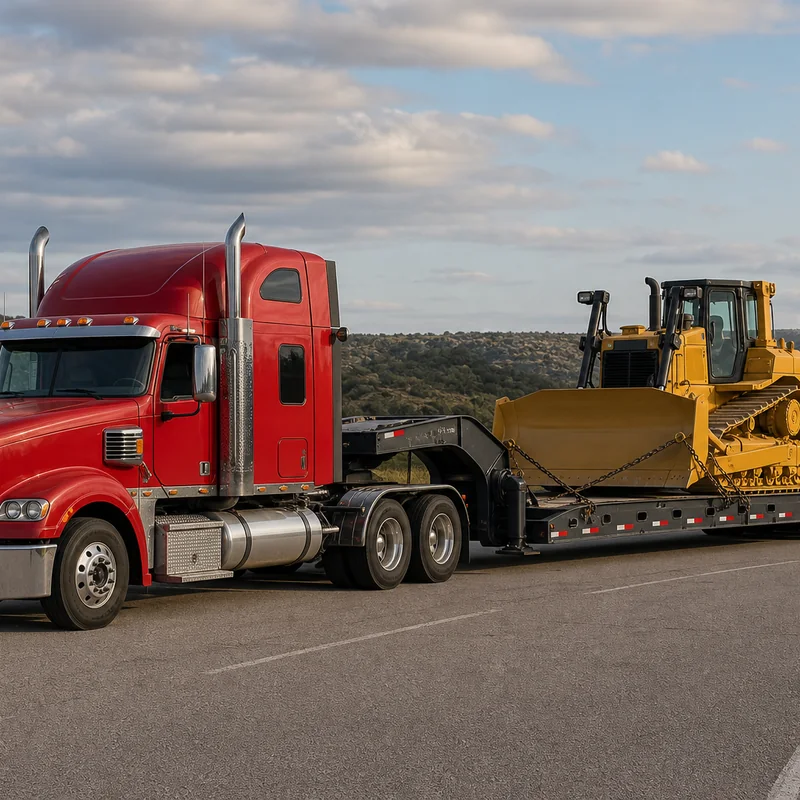
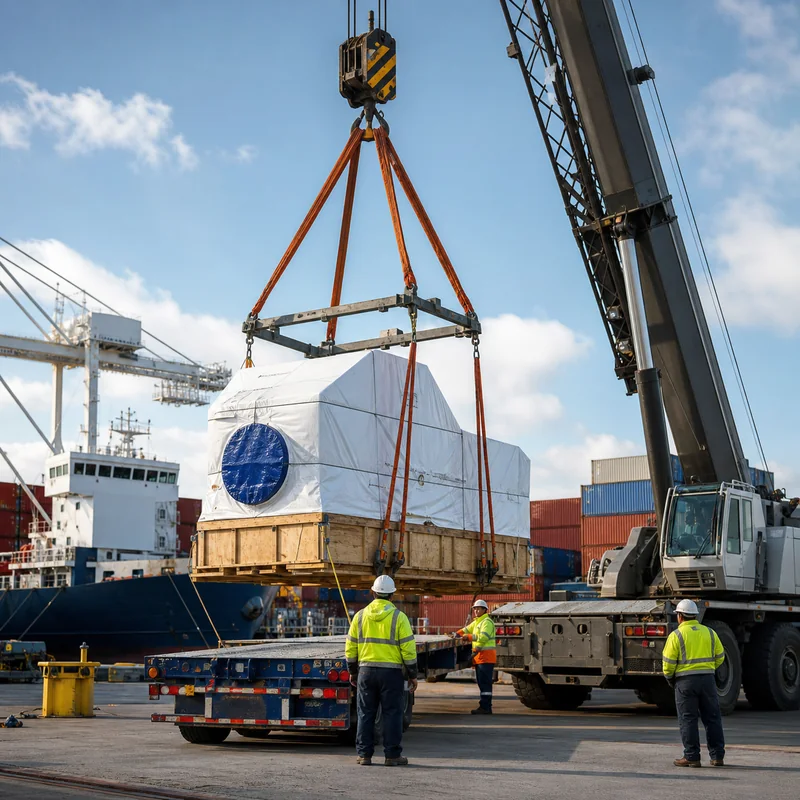
The export side matters here more than at most East Coast gateways, with agricultural and forest products, manufactured goods and equipment moving out through Virginia. Export programs sequence the inland leg, the terminal appointment and the vessel cutoff together, because a missed sailing costs more than the freight ever will. Breakbulk and project pieces run through Project Cargo coordination with stevedoring partners and Heavy Haul carriers inland, planned from the piece list and permitted before anything rolls.

Inland trucking runs the I-64 and I-95 corridors with Full Truckload (FTL) capacity, connecting Norfolk to Richmond, the Carolinas and the northern corridor. One team across the dray, the rail, the export sequence and the inland lanes keeps a versatile gateway simple to use.

Reviews

What It’s Like to Build With Flex

Leave a Review
Pricing

Ready to Get Started?

Tell us the container or lane details, commodity, weights and destinations, plus vessel or booking details for gateway freight. Import, export or breakbulk, we will quote the options side by side.

Norfolk shipment details

Get a Norfolk Freight Quote

Submission received

Your quote request is in.

Thank you. A Freight Flex team member will review your shipment details and follow up shortly.

Build With Flex.