What moves to and from Hawaii
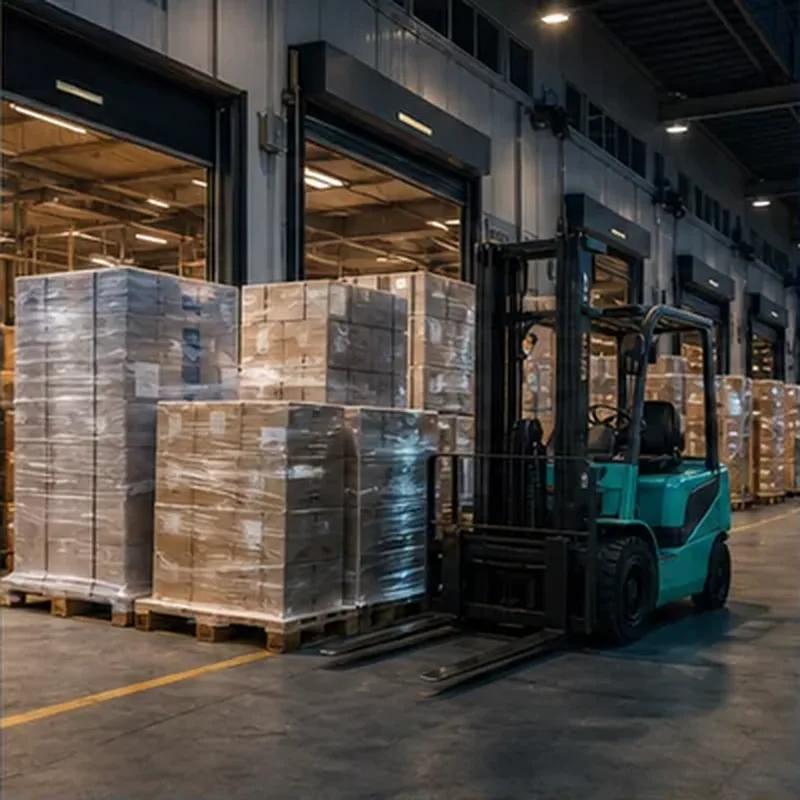
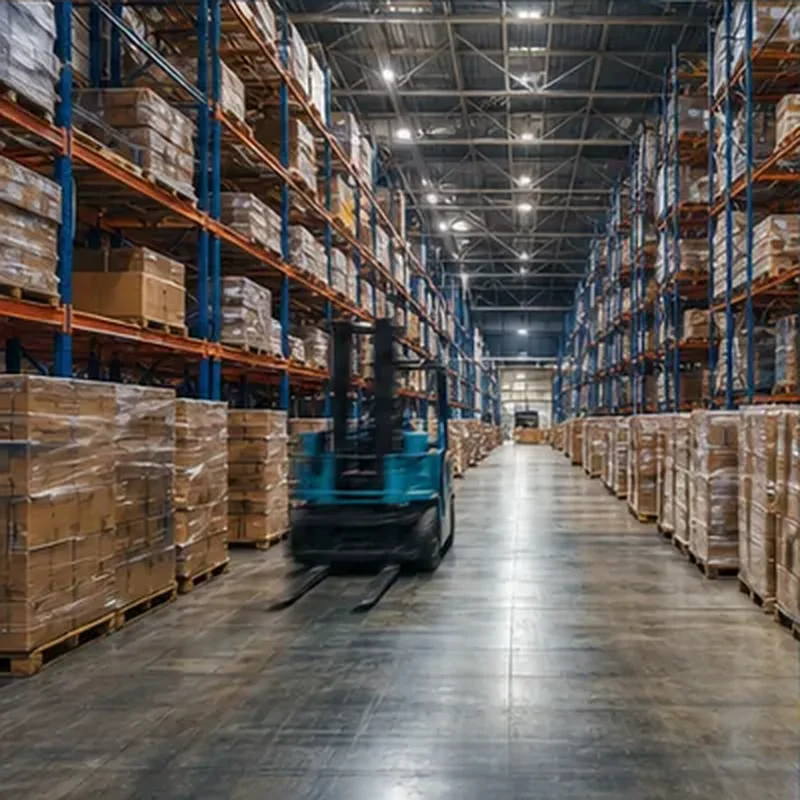
The islands import the overwhelming majority of what they consume, meaning grocery and retail inventory, building materials, vehicles, equipment, packaged goods and virtually every input a modern economy needs, nearly all of it arriving by ocean container from West Coast ports on scheduled services.
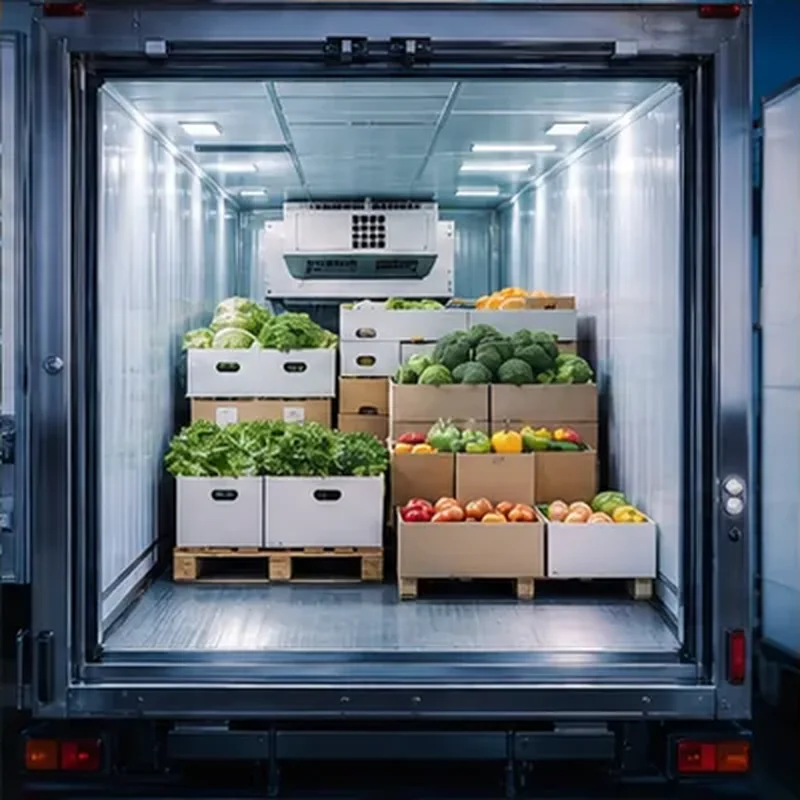
Outbound volume is far smaller, with agricultural products including coffee, tropical fruit, macadamia and floral products moving to mainland markets, plus some manufactured and specialty goods. That imbalance shapes container availability and rates in both directions.
How the legs connect
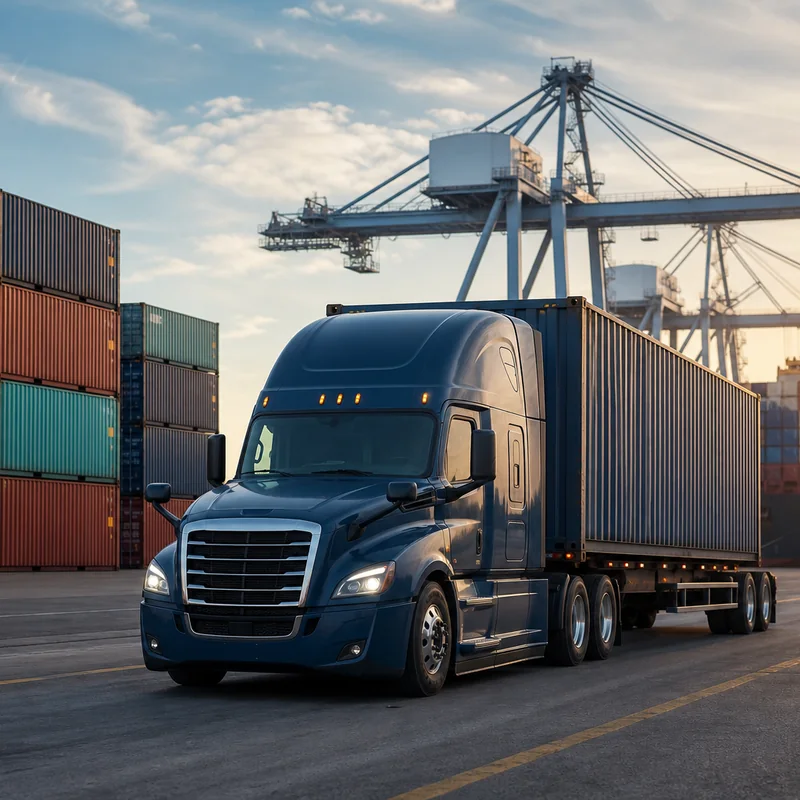
For mainland shippers, the practical Hawaii question is the domestic leg, meaning getting cargo from origin to the right terminal at Los Angeles, Oakland, Seattle-Tacoma or another West Coast gateway before the vessel receiving cutoff. Sailings run on fixed schedules, missing one costs a full cycle and terminal receiving windows are firm.
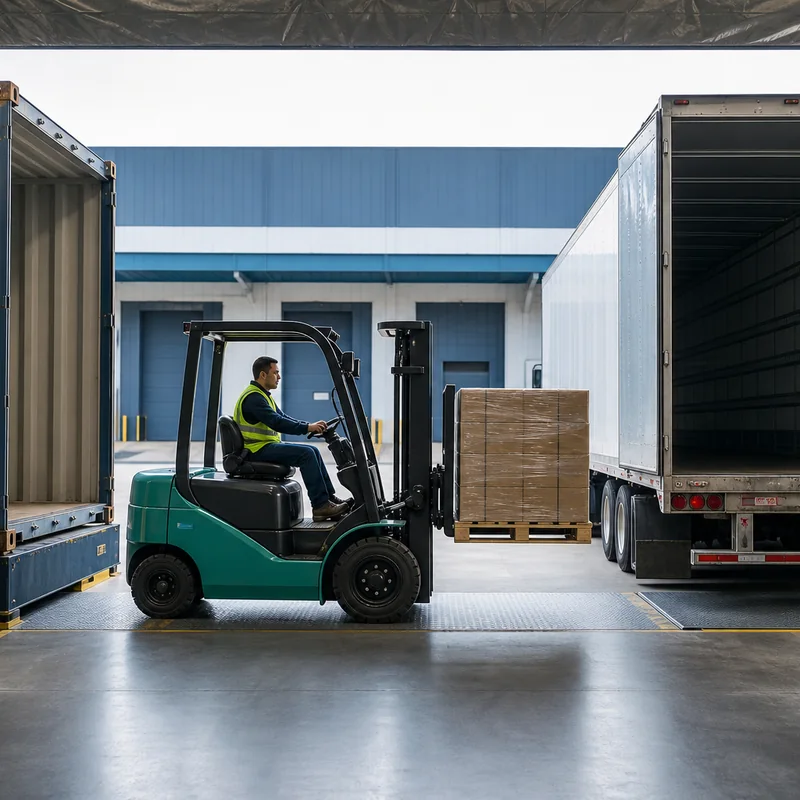
Consolidation matters here more than in most freight, since less-than-container volume ships through consolidators and the domestic leg has to hit their receiving deadlines rather than the vessel's directly.
Freight Flex and Hawaii freight
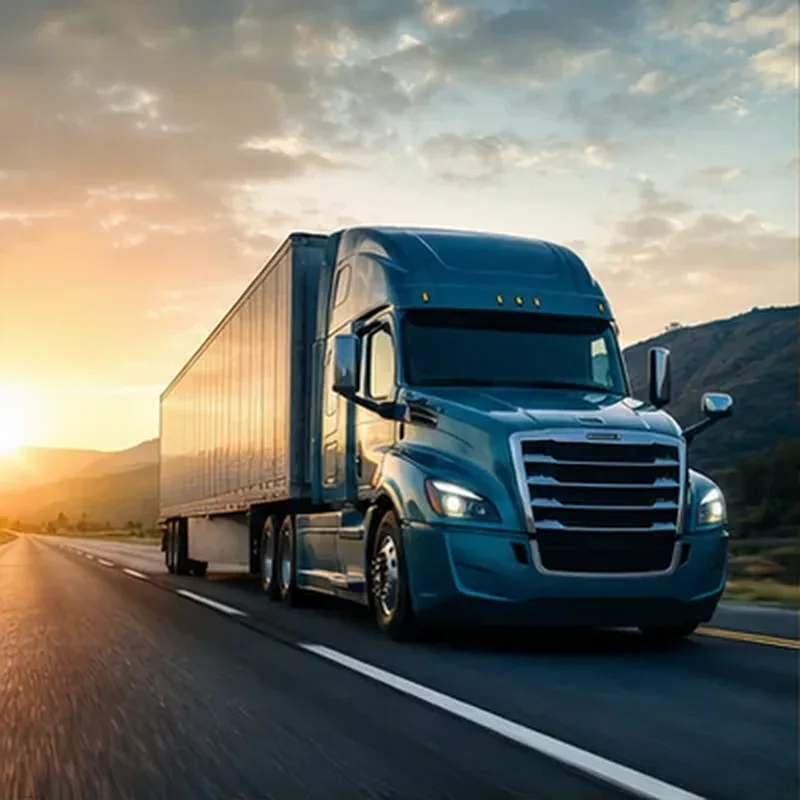
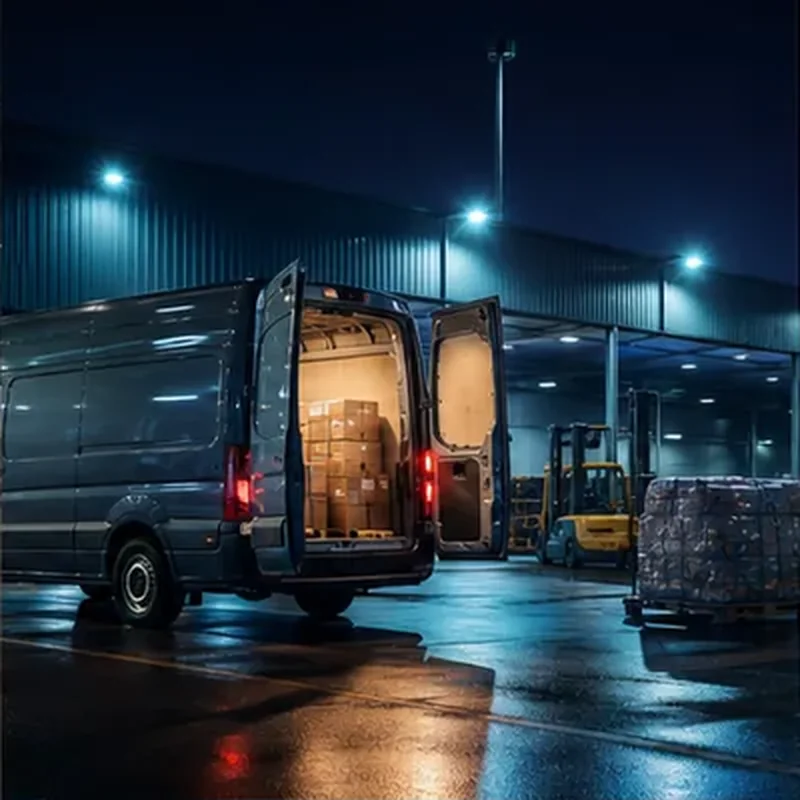
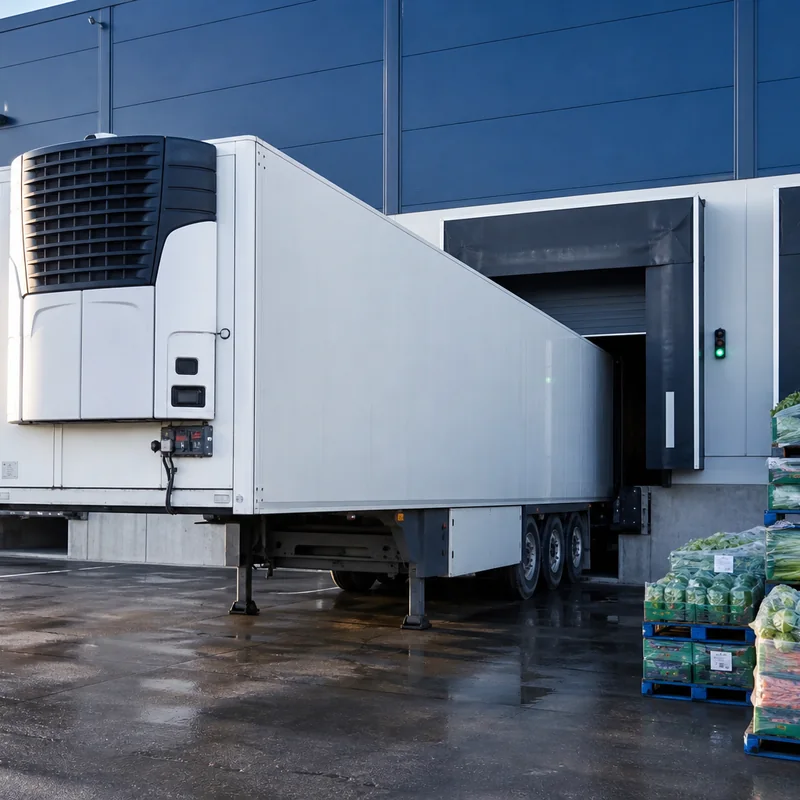
Freight Flex coordinates the domestic legs, meaning Full Truckload (FTL) and Less Than Truckload (LTL) freight to West Coast terminals timed to vessel cutoffs, Drayage at the gateways, Temperature-Controlled capacity for perishables in both directions, Expedited equipment when a cutoff is at risk and Air Freight coordination for freight that cannot wait for a sailing. Carrier compliance tools and an agent success team available 24/7 support the move.