Honolulu

Honolulu Freight

Honolulu receives almost everything Hawaii uses, and every shipment depends on a mainland leg making a vessel cutoff. Freight Flex coordinates those legs with vetted carriers and sailing deadlines treated as the hard stops they are.

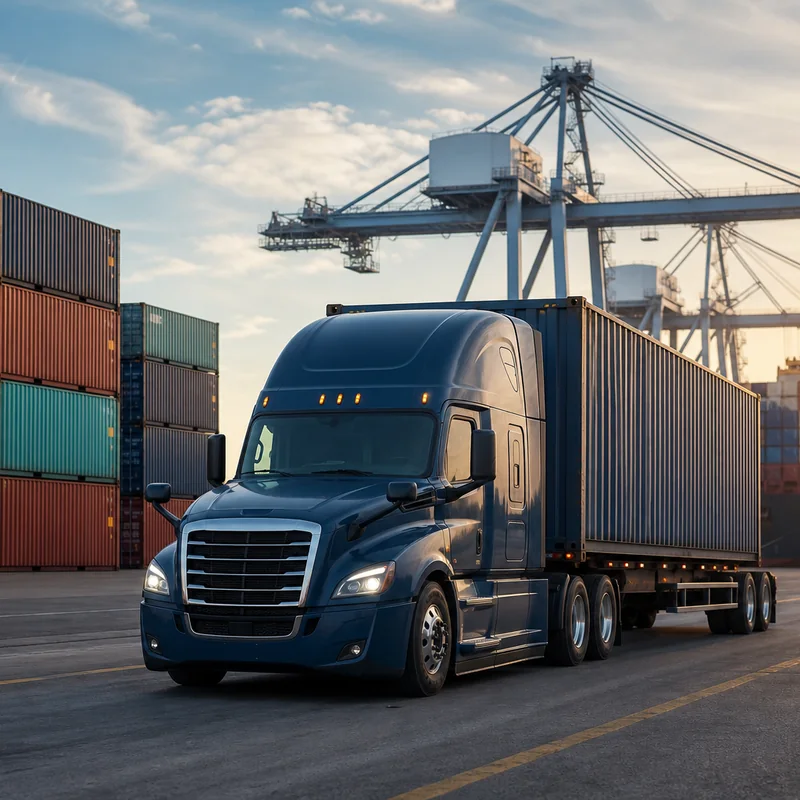
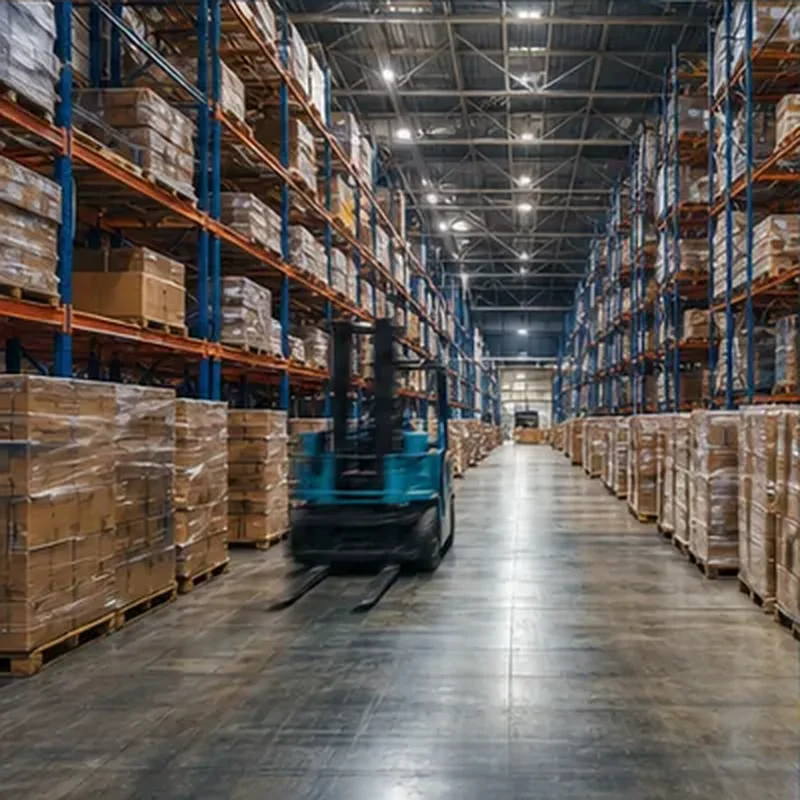
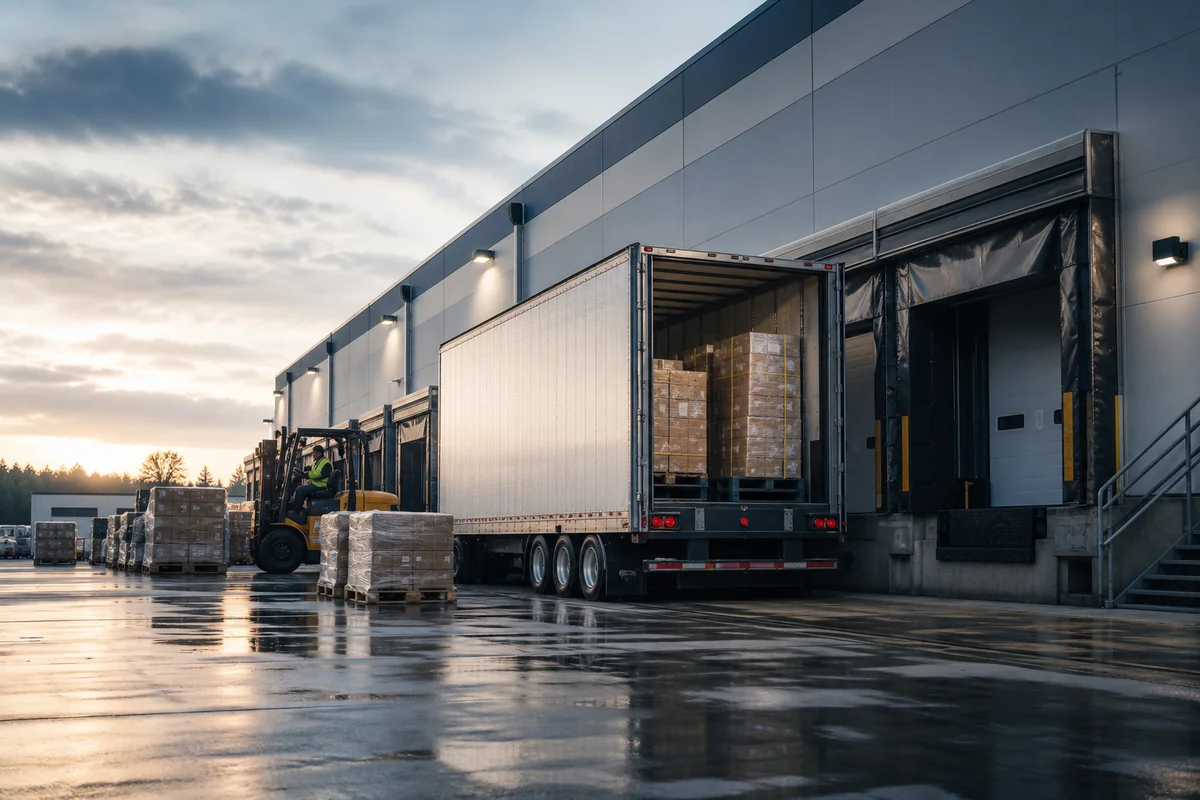
Container operations at a West Coast terminal staging cargo bound for Honolulu
The Honolulu Market

Freight coordination for Hawaii's gateway. Sailings, cutoffs and cargo.

Honolulu is where Hawaii's supply chain lands, meaning nearly everything the islands consume arrives by ocean container from West Coast ports on scheduled services. Freight Flex coordinates the mainland leg that decides whether cargo makes its sailing.

What moves to and from Honolulu

The islands import the overwhelming majority of what they consume, meaning grocery and retail inventory, building materials, vehicles, equipment, healthcare supplies, packaged goods and virtually every input a modern economy requires, nearly all arriving through Honolulu Harbor before redistribution across Oahu and the neighbor islands.

Outbound volume is smaller, with agricultural products including coffee, tropical fruit, macadamia and floral products moving to mainland markets, plus specialty goods. That imbalance shapes container availability and pricing in both directions.

How the legs connect

For mainland shippers, the practical question is the domestic leg, meaning getting cargo from origin to the right terminal at Los Angeles-Long Beach, Oakland or Seattle-Tacoma before the vessel receiving cutoff. Sailings run on fixed schedules and missing one costs a full cycle.

Less-than-container volume ships through consolidators whose receiving deadlines close earlier still, which makes the mainland leg's reliability the single most important variable in Hawaii freight.

Freight Flex and Honolulu freight

Freight Flex coordinates the mainland legs, meaning Full Truckload (FTL) and Less Than Truckload (LTL) freight to West Coast terminals timed to vessel cutoffs, Drayage at the gateways, Temperature-Controlled capacity for perishables in both directions, Expedited equipment when a cutoff is at risk and Air Freight coordination for cargo that cannot wait for a sailing. Carrier compliance tools and an agent success team available 24/7 support the move.
Vessel Cutoffs Respected

Sailing schedules and terminal receiving deadlines drive the plan, since missing a cutoff costs a full sailing cycle rather than a delivery day.

Every West Coast Gateway

Cargo routes through Los Angeles, Oakland or the Puget Sound terminals, and the mainland leg gets planned to whichever gateway the service requires.

Compliance on Every Lane

Carrier compliance tools support shipment security, backed by an agent success team available 24/7. Long domestic legs never lower the bar.

The Freight Flex promise

Your cargo makes the sailing. Build With Flex.

For every shipper moving Honolulu freight, Freight Flex commits to planning the mainland leg backward from the vessel cutoff, coordinating drayage at whichever West Coast gateway the service uses and protecting perishable cold chains in both directions. Miss a cutoff and you wait for the next sailing, so we plan around that from the first quote.

0+
Shipments Coordinated
#0
Inc. 5000 Fastest-Growing Private Companies
0
States of Nationwide Coverage
0+
Freight Flex Offices
Operating standards

Honolulu freight standards. Vetted. Verified. Visible.

Freight Flex combines carrier compliance tools with an agent success team available 24/7 to help reduce cargo theft, fraud and claims and support shipment visibility. These standards ride on every mainland leg we arrange.

  • Only work with Highway verified Motor Carriers.
  • 1+ year active authority required.
  • Satisfactory or Unrated FMCSA safety rating required.
  • $1M Auto Liability + $100K Cargo Insurance required.
  • VIN verified on every shipment through Highway Load Lock.
  • Supplemental cargo insurance available up to $2,000,000 per shipment, beyond standard carrier coverage.
Freight services

The services Honolulu freight uses most. Getting to the vessel.

Honolulu freight runs on the mainland leg. Truckload and LTL move cargo to West Coast terminals against vessel cutoffs, drayage works the gateways, temperature-controlled capacity protects perishables, expedited saves slipping schedules and air coordination covers what cannot wait.

See All Services
Industries

The industries that run on Honolulu freight. An import economy.

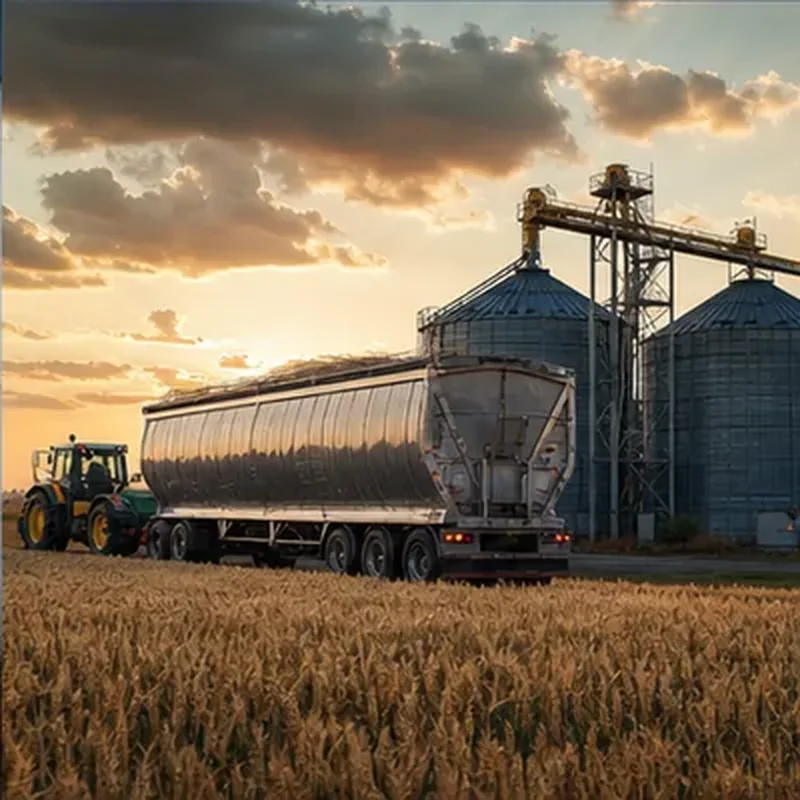
Honolulu freight serves an economy built on arrivals, meaning retail and grocery distribution supplying the islands, food and beverage including hospitality supply at enormous scale, building materials for constant construction, agriculture shipping specialty products to the mainland, healthcare distribution and consumer brands.

See All Industries
Planning Honolulu Freight

How shippers plan Honolulu freight. Backward from the sailing.

Honolulu planning works backward from a fixed vessel schedule, which makes the mainland leg's reliability the whole game, since the ocean carrier will not wait and the next sailing is a week away.

Timing the mainland leg to the cutoff.

Every Honolulu shipment carries a hard deadline that is not a delivery appointment, meaning a terminal receiving cutoff tied to a scheduled sailing. Plan backward, since the cutoff sets the terminal arrival, which sets transit, which sets the true pickup date at origin. For less-than-container volume, the consolidator's receiving window closes earlier still.

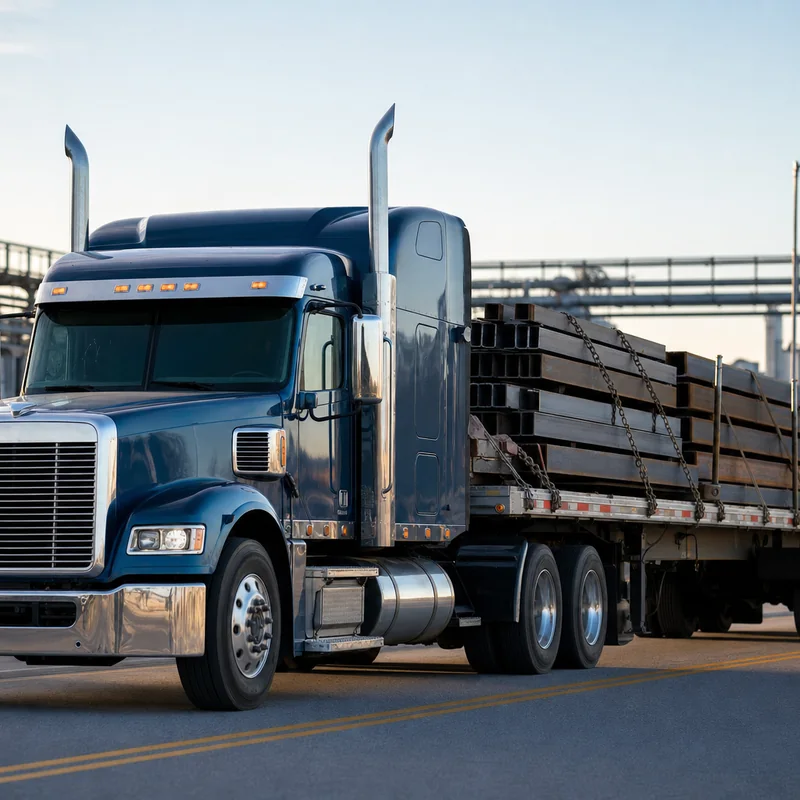
Full Truckload (FTL) and Less Than Truckload (LTL) freight to West Coast gateways gets scheduled against those deadlines with tracking on the loads carrying them, and when delay threatens the window, Expedited equipment recovers it while the sailing is still catchable. Drayage handles the terminal work at whichever gateway the service uses.

Perishables, hospitality volume and the air option.

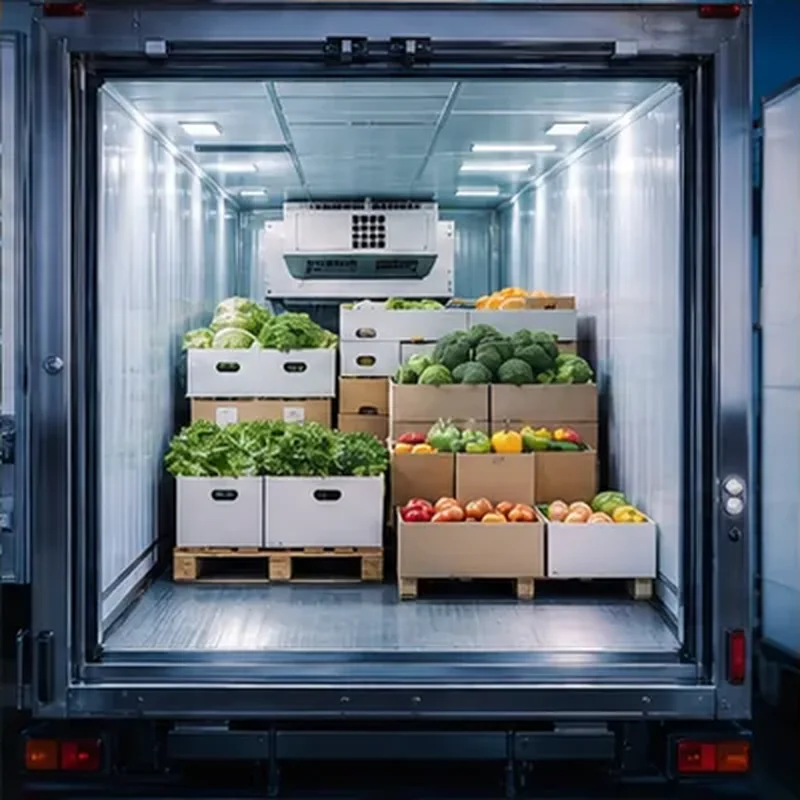
Perishable freight moving to the islands has to survive the ocean transit plus the mainland leg, so Temperature-Controlled dispatches carry exact setpoints and cargo arrives at the terminal in condition to make the voyage. Hawaii's hospitality economy consumes food at extraordinary volume, which makes reliable weekly sailings and consistent mainland scheduling worth more than opportunistic rates.

When cargo genuinely cannot wait for a sailing, Air Freight coordination under our TSA Certified Indirect Air Carrier status provides the alternative, priced honestly against the ocean option so the deadline and the budget both get an accurate picture.

Reviews

What It’s Like to Build With Flex

Leave a Review
Pricing

Ready to Get Started?

Tell us the origin, the West Coast terminal or consolidator, the sailing cutoff, plus commodity, weights, dimensions and any temperature requirements. We will plan the mainland leg backward from the deadline.

Honolulu shipment details

Get a Honolulu Freight Quote

Submission received

Your quote request is in.

Thank you. A Freight Flex team member will review your shipment details and follow up shortly.

Build With Flex.