What moves through Austin
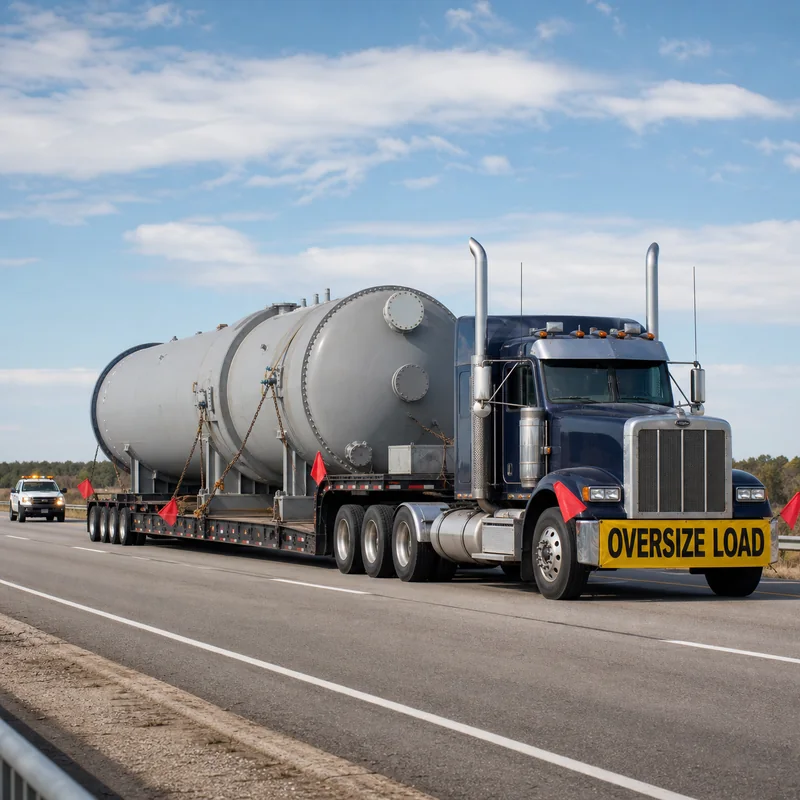
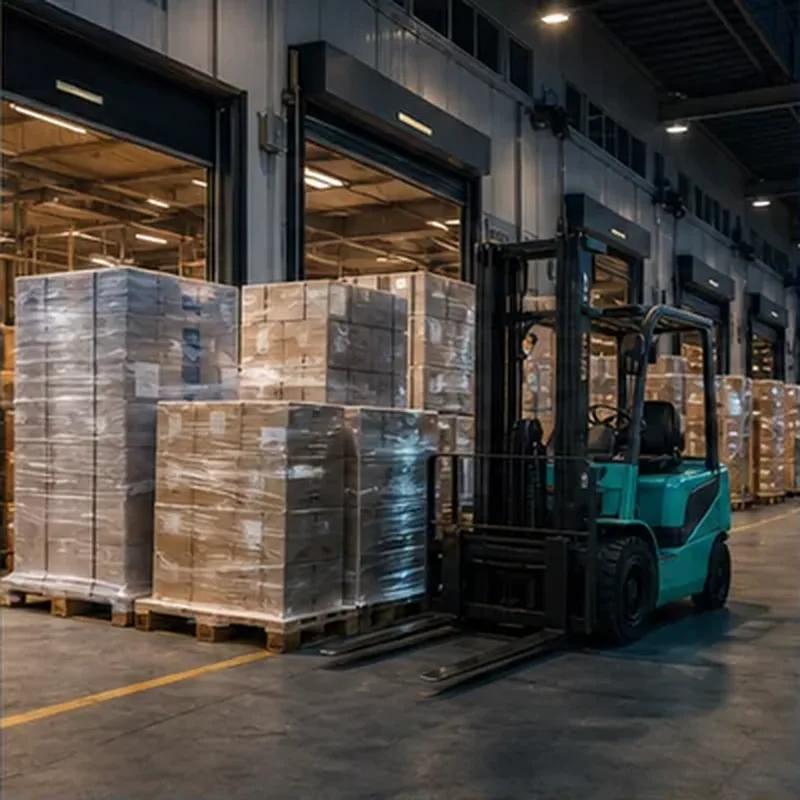
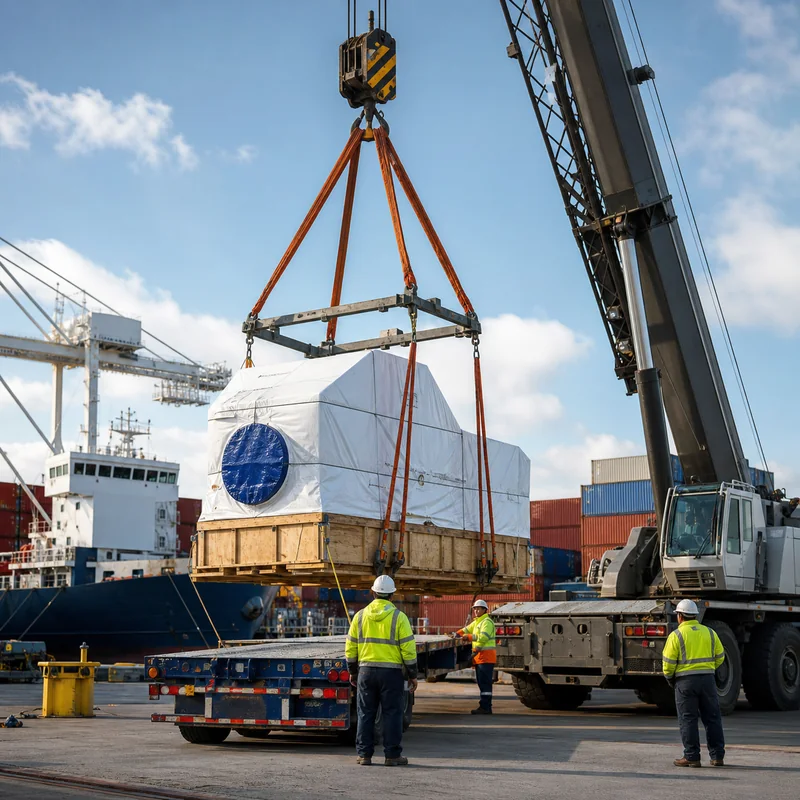
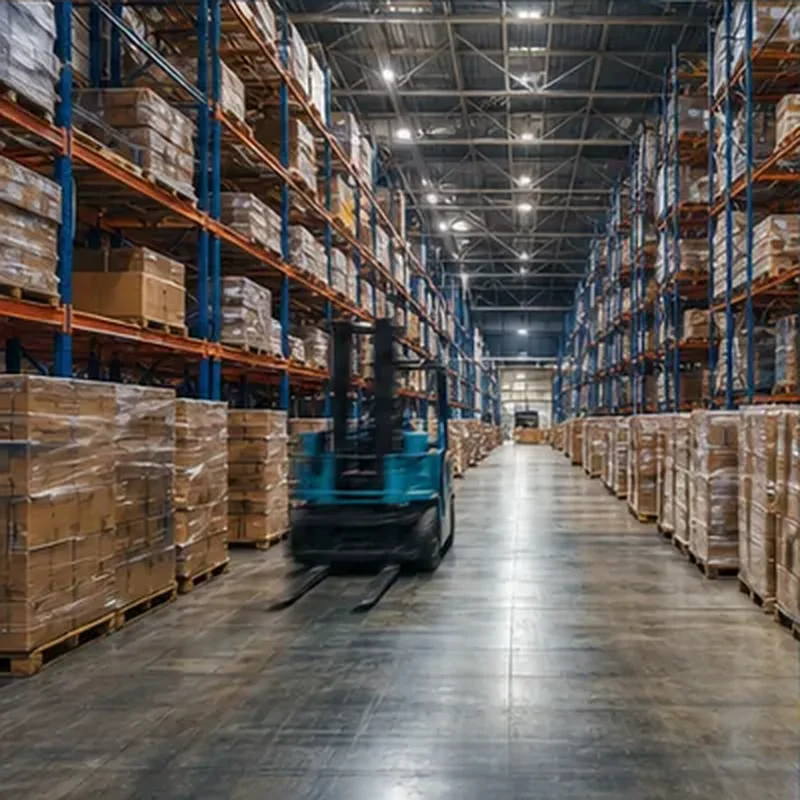
Austin freight now runs two profiles simultaneously. The project layer moves oversized and high-value construction freight, meaning semiconductor fabrication equipment, data center infrastructure, transformers, switchgear and structural components arriving against commissioning schedules that were set years in advance. The distribution layer serves a metro adding residents constantly, with retail and ecommerce replenishment, food and beverage distribution and consumer goods flowing in from the state's larger hubs.
Manufacturing and technology hardware give the market a high-value freight dimension, and building materials move constantly to residential and commercial construction across an urban footprint that keeps expanding outward.
The corridors that carry it
I-35 runs the NAFTA corridor straight through the metro, connecting Austin to San Antonio in one direction and Dallas-Fort Worth in the other, with US-290 and SH-130 handling regional movement and relieving some of the corridor's notorious congestion. Austin's freight geography is defined by that single dominant spine, which makes delivery timing, route planning and realistic transit expectations more important here than the map suggests.
Freight Flex in Austin
Freight Flex coordinates Project Cargo, Heavy Haul and Over-Dimensional (OD) planning for the semiconductor and data center buildouts, Flatbed capacity for construction materials, Full Truckload (FTL) and Less Than Truckload (LTL) coverage across the metro's distribution networks and Expedited equipment for the high-value technology freight the market attracts. Carrier compliance tools and an agent success team available 24/7 support the move.