McAllen-Pharr

Rio Grande Valley Freight

The Pharr bridge moves more produce than almost any crossing in America, and the Valley around it runs on cold chains and manufacturing cycles. Freight Flex coordinates Valley freight with setpoints carried across the transfer and bilingual support at every dock.

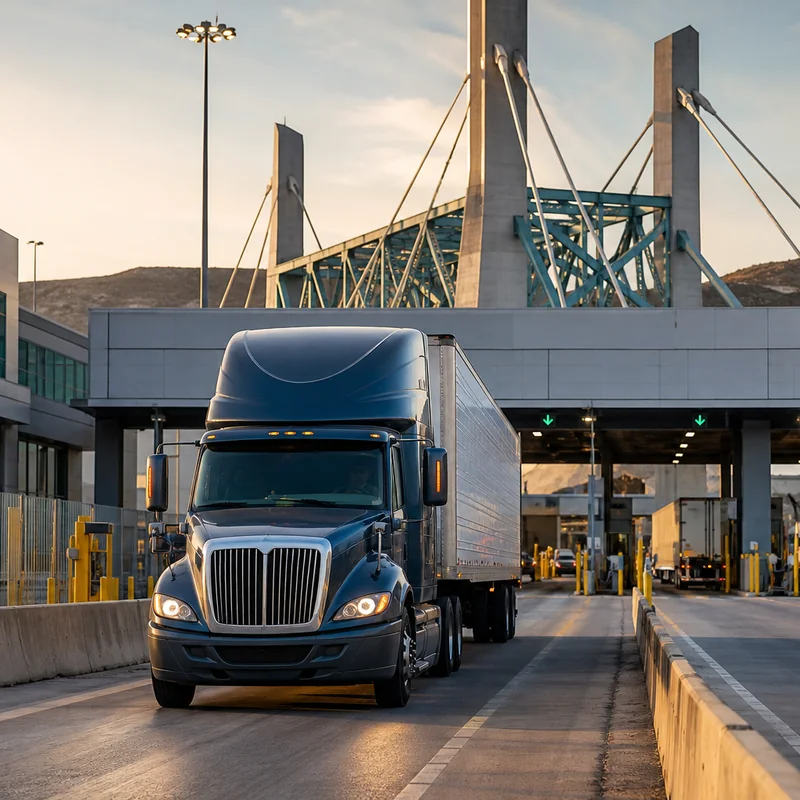
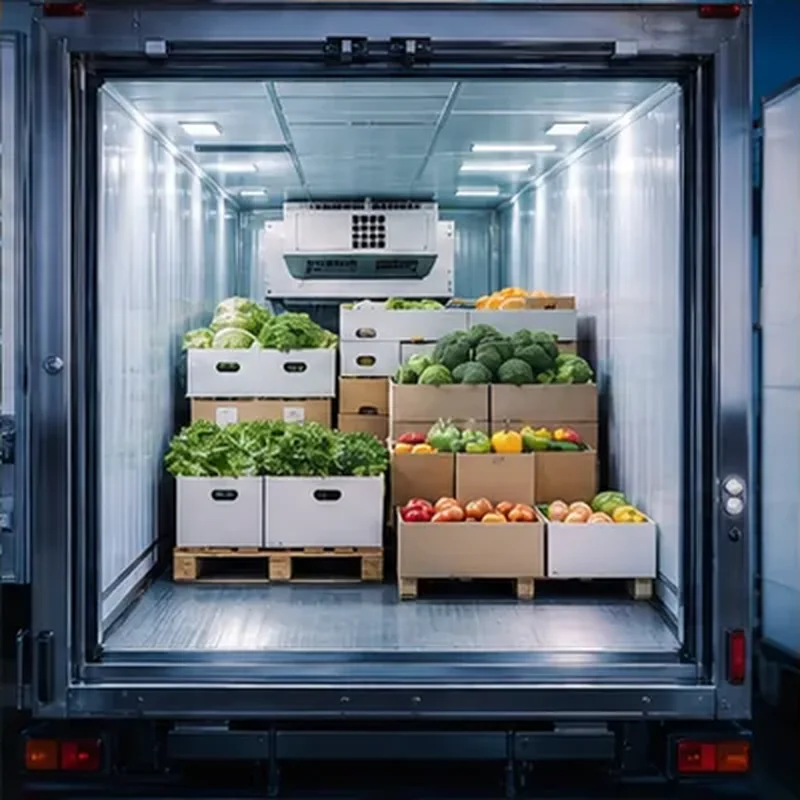
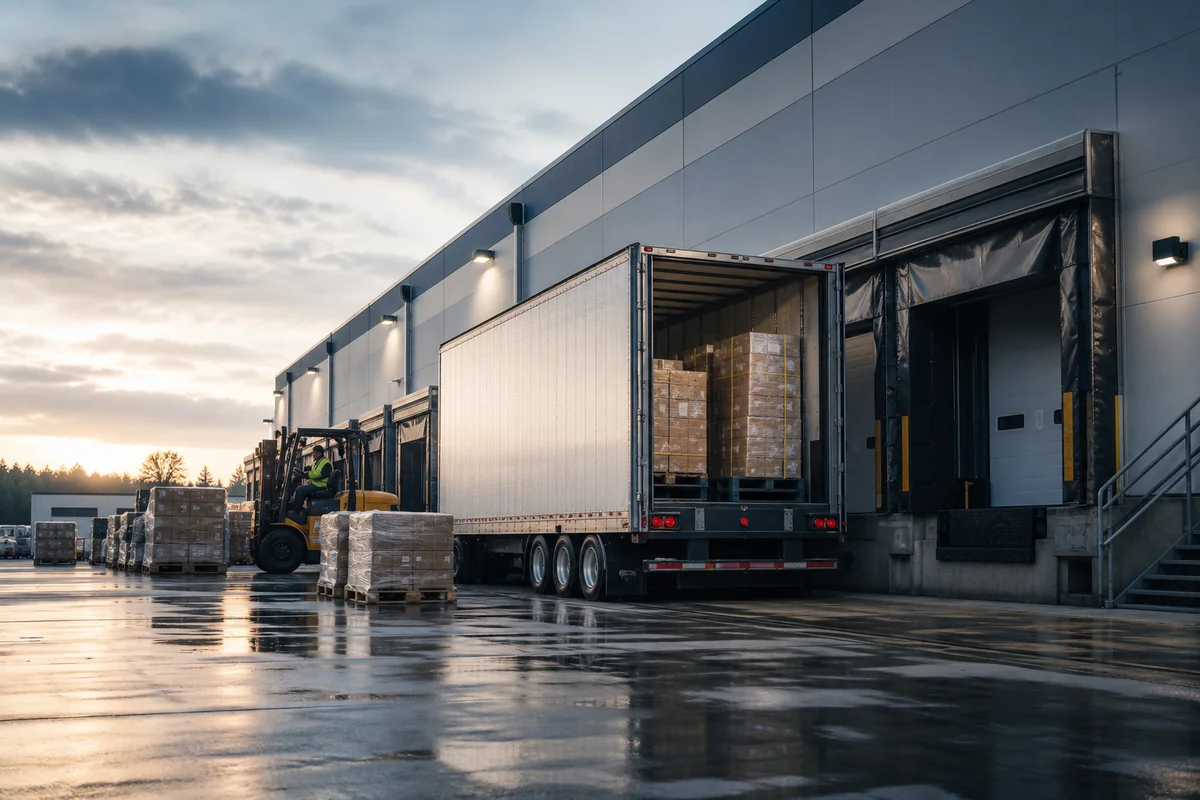
Refrigerated produce trucks crossing at the Pharr international bridge in the Rio Grande Valley
The Rio Grande Valley Market

Freight coordination at the produce crossing. Pharr, cold chains and cycles.

McAllen and Pharr anchor the Rio Grande Valley, where produce crossings, maquiladora manufacturing and a growing distribution economy converge on a handful of international bridges. Freight Flex coordinates all of it.

What moves through the Valley

Produce defines the market, with the Pharr bridge handling an enormous share of America's imported fresh fruit and vegetables, particularly through the winter months when Mexican production supplies northern markets. That freight arrives on cold chains and unforgiving clocks, and the Valley's cold storage and repacking operations exist to serve it.

Manufacturing crosses too, with maquiladora operations in Reynosa and the surrounding area shipping electronics, appliances and components north through the bridges. Distribution serves a fast-growing Valley population, and agriculture from the region itself adds citrus and vegetables.

The corridors that carry it

US-281 and US-83 serve the Valley, I-69 connects north toward Corpus Christi and Houston and I-2 runs east-west through the metro. Everything funnels through the international bridges, and the northbound corridors carry produce to markets across the country during peak season.

Freight Flex in the Valley

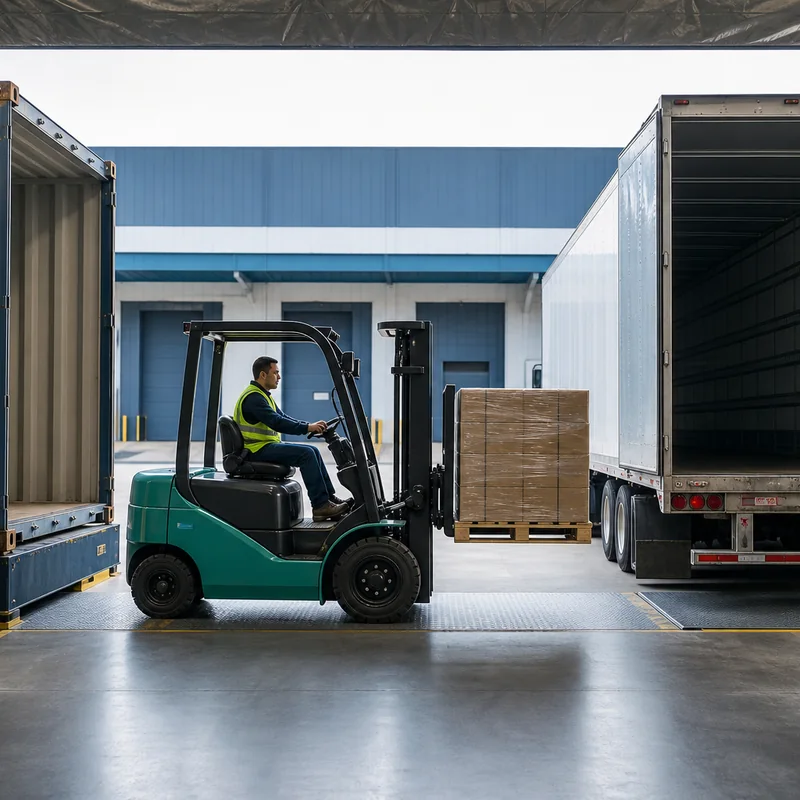
Freight Flex coordinates Cross-Border programs through the Valley bridges with bilingual support and transfers scheduled in advance, Temperature-Controlled capacity carrying produce setpoints across the crossing, Full Truckload (FTL) and Less Than Truckload (LTL) coverage on the northbound lanes, Transloading at the border and Expedited equipment when a market window tightens. Carrier compliance tools and an agent success team available 24/7 support the move.
Cold Chains Across the Bridge

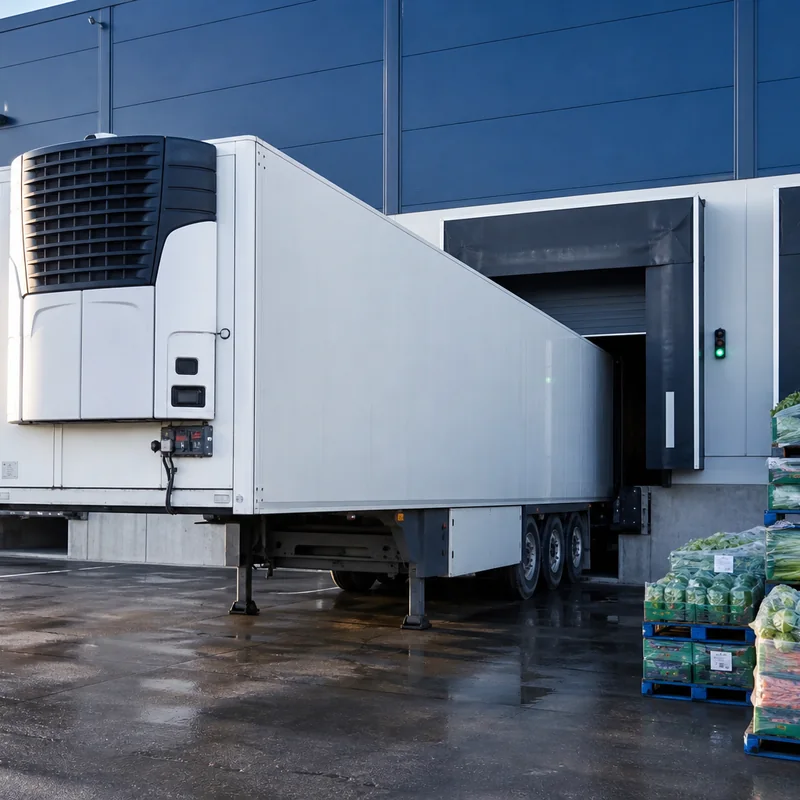
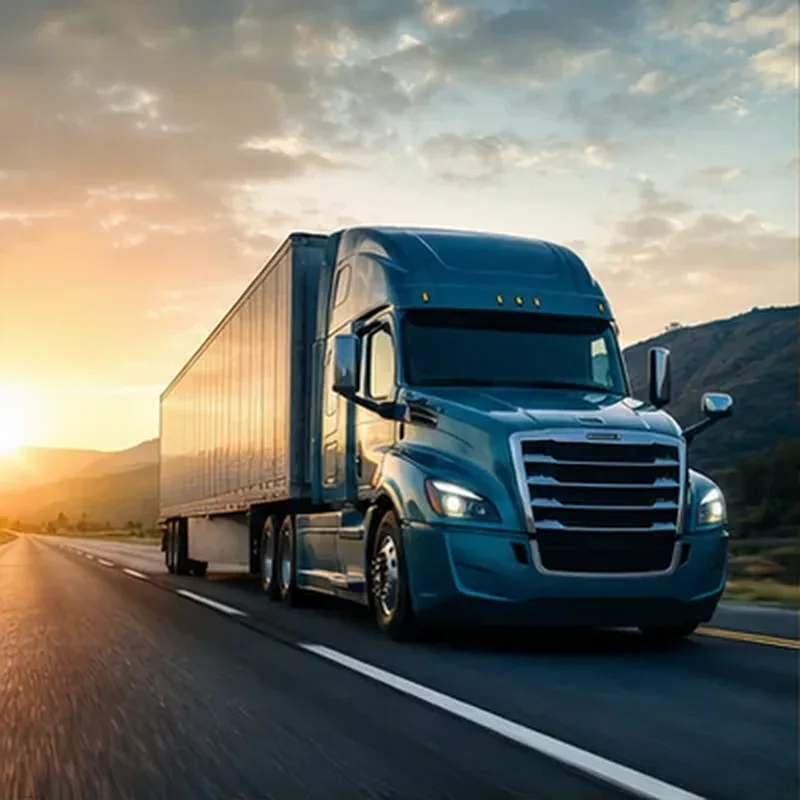
Produce setpoints get carried across the transfer with confirmation on both sides, because the crossing is exactly where unmanaged cold chains break.

Bilingual at Every Dock

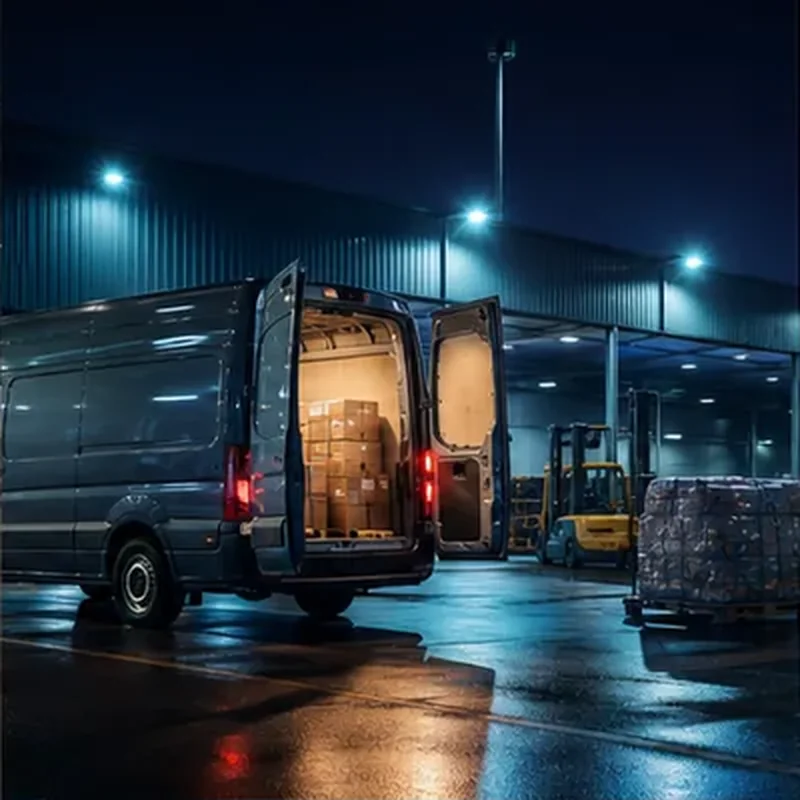
Shippers in Mexico, transfer yards at the bridge and receivers north all work from the same facts in their own language, which is where Valley freight is won.

Vetted on Both Sides

Carrier compliance tools support each leg, backed by an agent success team available 24/7. The border never lowers the bar.

The Freight Flex promise

Your produce keeps its clock. Build With Flex.

For every shipper moving Valley freight, Freight Flex commits to carrying temperature requirements across the transfer, scheduling crossings before the truck departs and committing capacity ahead of the season that defines this market. Manufacturing cycles get engineered procedures and the bridge becomes a planned step.

0+
Shipments Coordinated
#0
Inc. 5000 Fastest-Growing Private Companies
0
States of Nationwide Coverage
0+
Freight Flex Offices
Operating standards

Valley freight standards. Vetted. Verified. Both sides.

Freight Flex combines carrier compliance tools with an agent success team available 24/7 to help reduce cargo theft, fraud and claims and support shipment visibility. These standards ride on every Valley load we arrange.

  • Only work with Highway verified Motor Carriers.
  • 1+ year active authority required.
  • Double-brokering and identity fraud screened, then monitored in transit.
  • $1M Auto Liability + $100K Cargo Insurance required.
  • VIN verified on every shipment through Highway Load Lock.
  • Live ELD tracking required whenever applicable.
Freight services

The services Valley freight uses most. Produce and crossings.

Valley freight runs cold and international. Cross-border coordination manages the bridge transfers, temperature-controlled capacity protects the produce, truckload and LTL carry the northbound lanes, transloading handles border conversion and expedited saves the market windows.

See All Services
Industries

The industries that run on Valley freight. The border economy.

Valley freight serves a produce and manufacturing base, meaning agriculture crossing at the bridges and grown locally, food and beverage distribution and processing, manufacturing from maquiladora operations, consumer products, retail distribution for a growing population and building materials.

See All Industries
Planning Valley Freight

How shippers plan Rio Grande Valley freight. Season and transfer.

Valley planning revolves around a produce season that dominates winter capacity and a crossing where cold chains and paperwork both get tested.

Produce crossings and the cold chain transfer.

Fresh produce crossing the Pharr bridge carries a shelf-life clock that started at harvest in Mexico, and the transfer is where unmanaged cold chains break. Cross-Border coordination carries the Temperature-Controlled requirement across the handoff with setpoints confirmed on both sides and the transfer scheduled so product keeps moving rather than sitting.

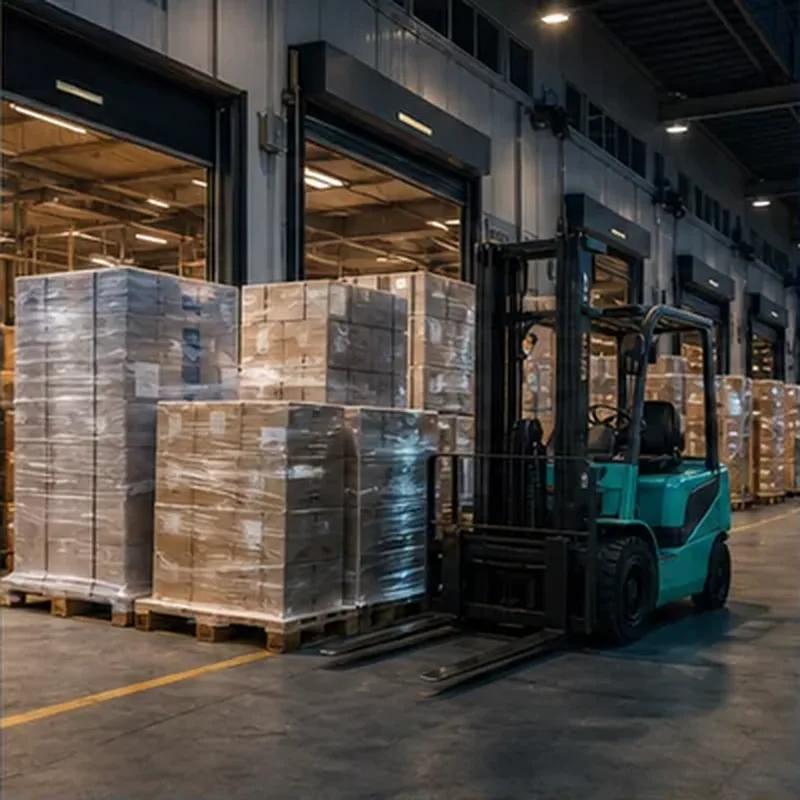
Peak season from late fall through spring tightens reefer capacity across the entire corridor on a predictable calendar, so standing lanes committed early ride through it. Transloading and repacking operations at the border add value for shipments splitting to multiple northern markets.

Manufacturing cycles and northbound lanes.

Maquiladora operations across the river ship electronics, appliances and components north on repeating schedules, and daily freight deserves an engineered crossing procedure rather than daily improvisation. Standing Cross-Border programs fix the transfer carrier, the broker coordination and the documentation flow once, with bilingual support at every handoff.

Northbound, the Valley's freight travels far, since produce reaches markets across the country and the first several hundred miles run through Texas before anything else. Standing Full Truckload (FTL) lanes buy better coverage than spot freight during peak season, Less Than Truckload (LTL) serves the smaller shipments and Expedited options recover the loads that threaten their market window.

Reviews

What It’s Like to Build With Flex

Leave a Review
Pricing

Ready to Get Started?

Tell us the commodity, temperature requirements, the origin and destination, weights and dimensions, and your customs broker on each side. From a produce season program to a manufacturing cycle, we will quote it planned.

McAllen-Pharr shipment details

Get a Valley Freight Quote

Submission received

Your quote request is in.

Thank you. A Freight Flex team member will review your shipment details and follow up shortly.

Build With Flex.